The Jeep Liberty fuse box is a small but essential part of your SUV’s electrical system. If you’ve ever had problems with your lights, windows, radio, or even starting your engine, the fuse box could be the cause.
Many drivers overlook this component until something goes wrong. Knowing where the fuse box is, what it does, and how to use it can save you time, money, and stress.
What Is A Fuse Box?
A fuse box is a panel that holds fuses for various electrical circuits in your Jeep Liberty. Each fuse protects a specific circuit, like your headlights, power windows, or air conditioning. If a circuit gets overloaded, the fuse blows (breaks the connection) to prevent further damage. This helps avoid electrical fires and protects expensive parts.
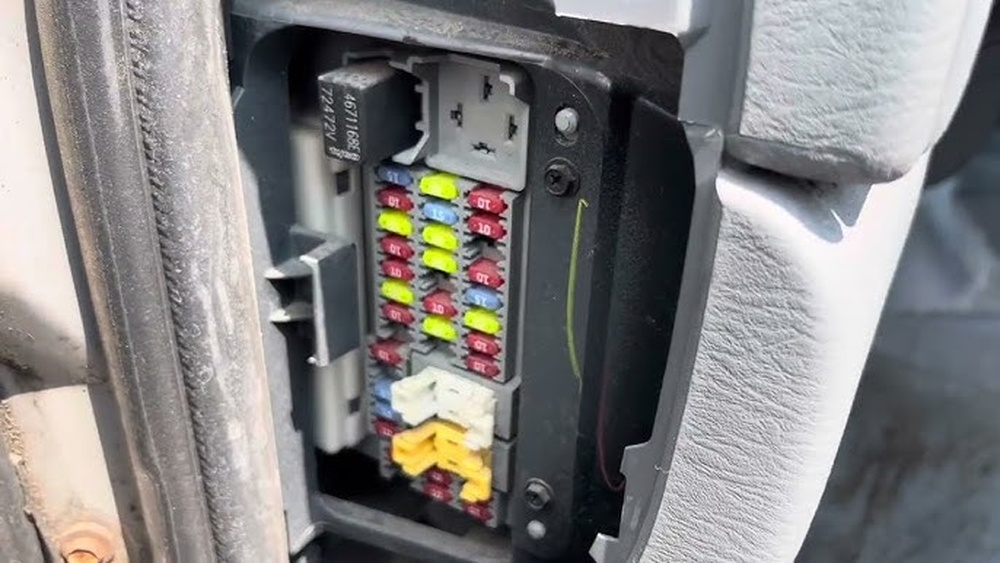
Modern vehicles like the Jeep Liberty use two main fuse boxes:
- Engine compartment fuse box – Handles major systems like engine control and ABS.
- Interior fuse box – Controls items inside the cabin, such as power outlets and lights.
Locating The Fuse Box In A Jeep Liberty
Finding the fuse boxes in a Jeep Liberty is simple once you know where to look. There are two main locations:
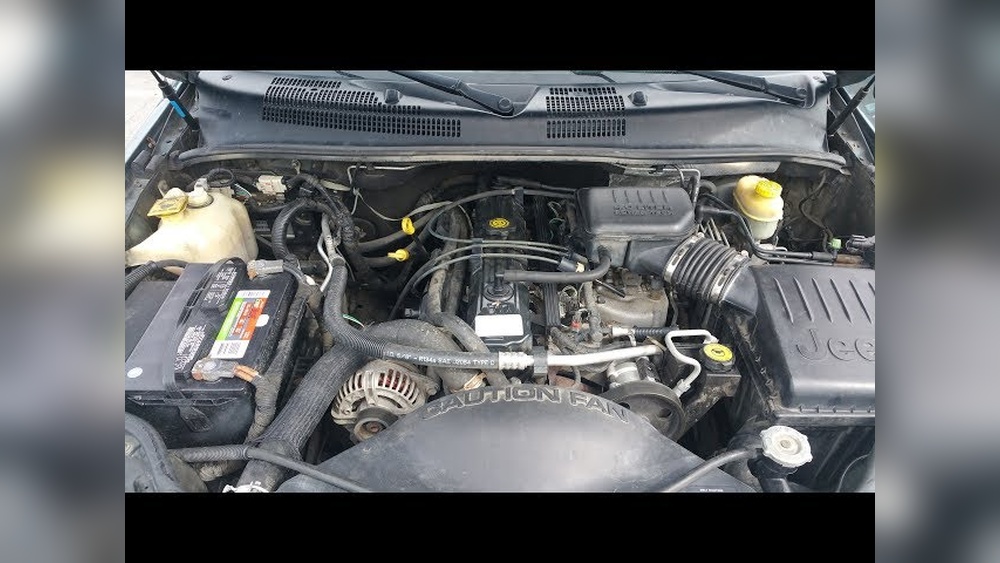
- Under the hood: Open the hood and look near the battery on the driver’s side. You’ll see a black plastic box with a snap-on cover.
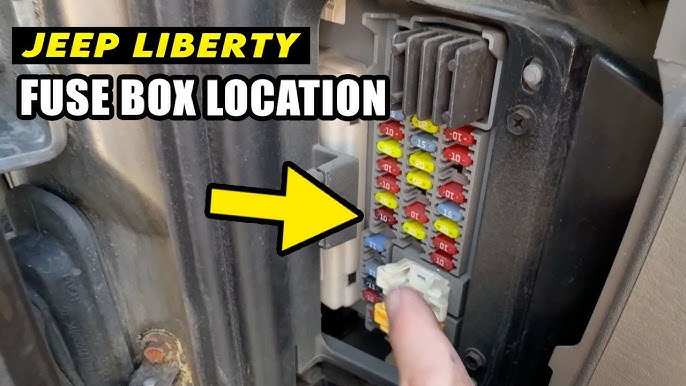
- Inside the cabin: Look below the dashboard on the driver’s side, just above the brake pedal area. Some models have a small panel door you can pull open.
Always turn off your vehicle before checking fuses. This prevents short circuits and protects you from shocks.

Common Fuse Box Issues In Jeep Liberty
Most fuse box problems fall into a few categories:
- Blown fuses: This is the most common issue. A blown fuse means a circuit was overloaded.
- Corrosion: Water or moisture can get inside the fuse box, causing rust or greenish corrosion. This interrupts electrical flow.
- Loose connections: Vibrations from driving can loosen fuses or wires over time.
- Melted fuses or sockets: This is rare but serious. Overheating from a faulty part can melt the plastic.
Ignoring these issues can lead to bigger problems. For example, a small electrical fault can drain your battery or damage the computer systems.
If you see melted plastic or smell burning, get professional help immediately.
How To Check And Replace A Fuse
Checking a fuse is straightforward, and you don’t need special tools:
- Turn off the Jeep and remove the key.
- Locate the correct fuse box (see above).
- Open the cover. Inside, you’ll find a diagram or chart showing which fuse controls what.
- Identify the problem circuit. For example, if your radio doesn’t work, look for the radio fuse.
- Pull out the fuse using the fuse puller (usually clipped inside the box) or needle-nose pliers.
- Inspect the fuse. A good fuse has a solid metal strip inside. A blown fuse has a broken or burnt strip.
- Replace with the same rating. Match the number (in amps) printed on the fuse and the diagram.
Example: Replacing The Headlight Fuse
If your headlights stop working, check the fuse labeled “HEAD LAMP” or similar. Remove it and check the metal strip.
If it’s blown, swap it with a new fuse of the same color and number.
Tip: Always keep spare fuses in your glove box. This saves time if you need a quick fix on the road.
Jeep Liberty Fuse Box Diagrams And Amp Ratings
The fuse box cover usually includes a diagram. Here’s an example for a 2008 Jeep Liberty:
| Fuse Number | Circuit Protected | Amps |
|---|---|---|
| 1 | Headlights | 15A |
| 2 | Power Windows | 30A |
| 3 | Radio | 20A |
| 4 | ABS | 40A |
| 5 | Cigar Lighter | 15A |
Note: Always use the owner’s manual for your specific year and model, as fuse locations can change.
Comparing Interior And Engine Fuse Boxes
The two fuse boxes in a Jeep Liberty handle different jobs. Here’s a quick comparison:
| Location | Main Function | Circuits Covered |
|---|---|---|
| Engine compartment | Major vehicle systems | Engine, ABS, cooling fan, ignition |
| Cabin interior | Comfort and convenience | Windows, radio, dome lights, power outlets |
Non-obvious insight: Some electrical features, like power seats or sunroof, might have their own hidden fuses or relays outside these main boxes. Always check your manual if you can’t find the fuse you need.

Signs Your Jeep Liberty Has A Fuse Box Problem
Watch out for these clues:
- Electrical features stop working (like windows, wipers, radio)
- Dashboard warning lights stay on
- Multiple failures at once (like several lights or accessories dying together)
- Burning smell or melted plastic near fuse box area
If you replace a fuse and it keeps blowing, this means there’s a deeper electrical problem. Don’t just keep replacing fuses—find the real cause or visit a mechanic.
Upgrading Or Modifying The Fuse Box
Some Jeep Liberty owners add aftermarket accessories, like extra lights or sound systems. If you install new electronics, never overload the existing fuse box. Use an add-a-circuit kit or a separate fuse block for high-power accessories. This keeps your factory wiring safe.
Adding extra features can also void your warranty if not done correctly. Always use the right fuse size and consult an electrician for complex upgrades.
Practical Tips For Fuse Box Maintenance
- Check fuses regularly, especially after driving in rain or off-road.
- Keep the covers sealed to block dust and water.
- Use dielectric grease on contacts if you live in a humid area.
- Label spare fuses in your kit for quick identification.
- Avoid using metal tools when the battery is connected to prevent accidental shorts.
Pro tip: If you keep having unexplained electrical issues, check the ground connections near the fuse box. Loose or corroded grounds can mimic blown fuse symptoms.