The Jeep JL is known for its rugged design and off-road capability. But keeping it running smoothly requires regular maintenance—especially when it comes to the transmission fluid.
Many drivers overlook this important step, yet a fluid change can make a big difference in how your Jeep shifts and performs. If you want to extend the life of your transmission, prevent costly repairs, and enjoy a smoother drive, learning how and when to change your transmission fluid is essential.
Why Transmission Fluid Matters For Your Jeep Jl
The transmission fluid in your Jeep JL is more than just a lubricant. It cools, cleans, and protects the moving parts inside your transmission. Over time, heat and friction break down the fluid, making it less effective. Old fluid can lead to rough shifting, overheating, and even transmission failure.
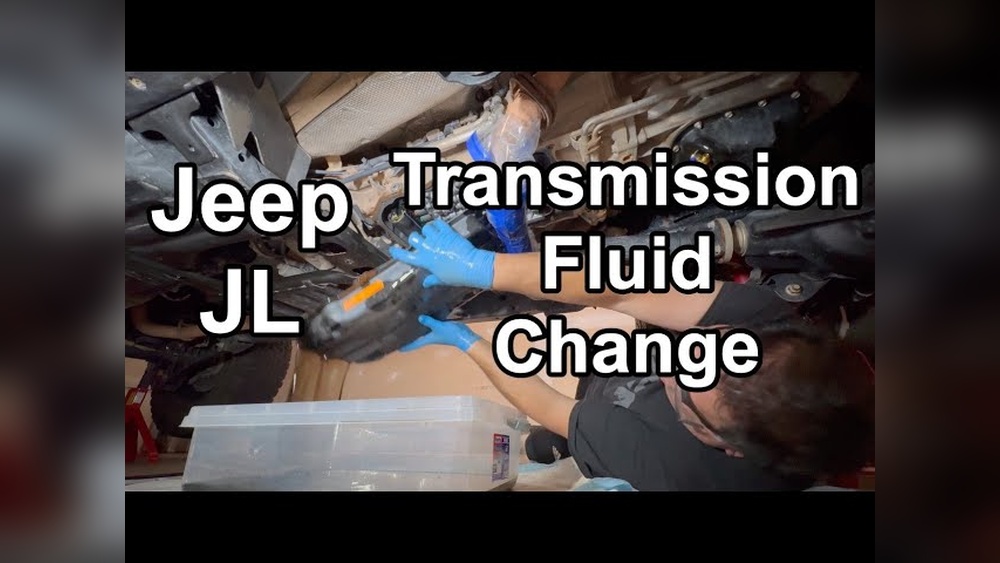
Experts recommend changing the fluid between 60,000 and 100,000 miles, but if you tow heavy loads or drive in tough conditions, consider changing it more often. Waiting too long can allow metal shavings and debris to damage the transmission.
Signs Your Jeep Jl Needs A Transmission Fluid Change
Pay attention to these warning signs:
- Rough or delayed shifting – Gear changes feel harsh or slow.
- Strange noises – Whining, clunking, or humming from the transmission.
- Fluid discoloration – Old fluid appears dark brown, not red.
- Transmission slipping – Engine revs but Jeep doesn’t accelerate.
- Burning smell – Indicates overheating or burning fluid.
If you notice any of these symptoms, it’s time to check your fluid and consider a change.
Tools And Materials Required
Before starting, gather these items:
- New transmission fluid (check your owner’s manual for type)
- Transmission filter (if replacing)
- Gasket or RTV sealant (for the pan)
- Ratchet and socket set
- Drain pan
- Funnel
- Torque wrench
- Gloves and safety glasses
Having the right tools makes the job smoother and prevents mess.
Step-by-step Guide: Changing Jeep Jl Transmission Fluid
Changing your own transmission fluid can save money and help you understand your vehicle better. Here’s how to do it on a Jeep JL:
1. Prepare Your Jeep
Park on a flat surface and let the engine cool. Engage the parking brake.
Raise the Jeep with jack stands if needed for better access.
2. Locate The Transmission Pan
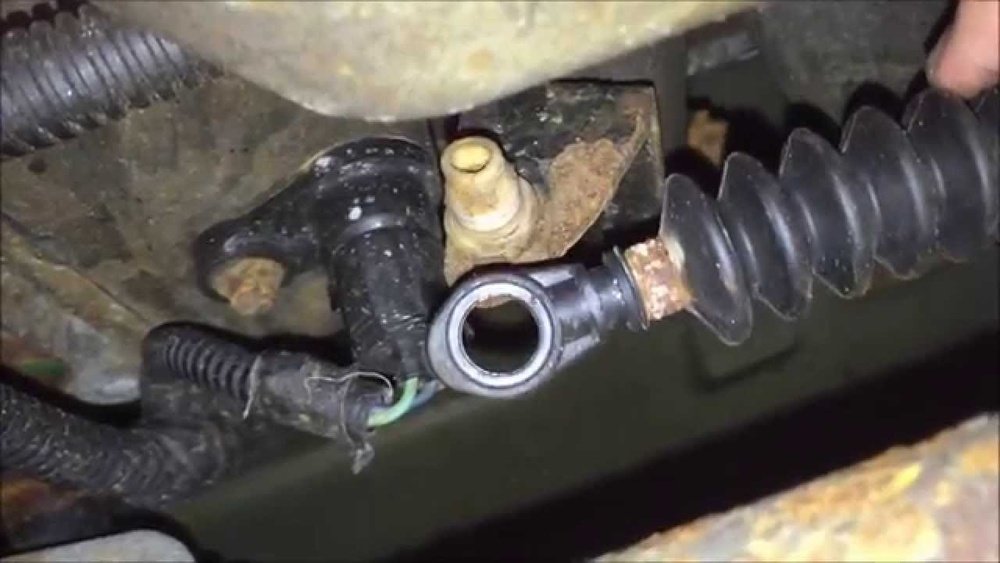
The transmission pan is on the underside of your Jeep. Place the drain pan under the pan to catch old fluid.
3. Drain Old Fluid
Remove the bolts from the pan, loosening them slowly to let fluid drain out. Some JL models have a drain plug—open it if present. Let all fluid drain into the pan.
4. Remove And Clean The Pan
After draining, remove the pan completely. Clean it with a lint-free cloth.
Watch for debris or metal shavings—these can signal internal issues.
5. Replace The Filter
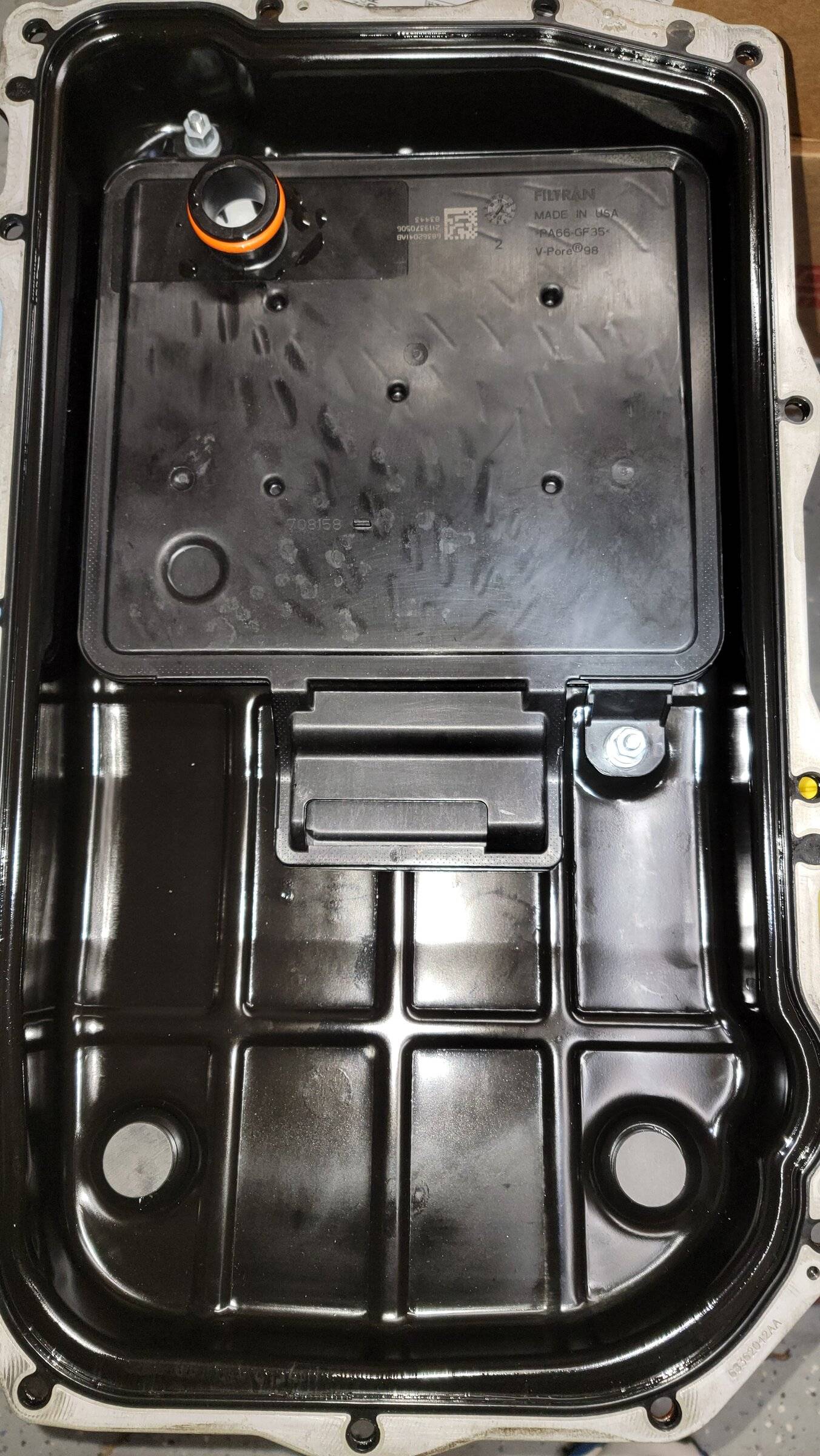
Remove the old filter and O-ring. Install the new filter securely.
This step is easy to miss but is crucial for keeping your fluid clean.
6. Install New Gasket
Replace the gasket or apply RTV sealant as recommended. Make sure the surface is clean to prevent leaks.
7. Reinstall The Pan
Bolt the pan back in place. Use a torque wrench to tighten bolts to the specified setting (usually 8-10 ft-lbs). Over-tightening can damage the gasket.
8. Add New Fluid
Using a funnel, add the correct amount and type of new transmission fluid through the dipstick tube (usually 6-8 quarts, but check your manual).
9. Check Fluid Level
Start the engine, shift through all gears, and let the Jeep idle. With the engine running and the transmission in “Park,” check the fluid level using the dipstick. Add more if needed.
10. Test Drive
Drive for a few miles, then re-check the fluid level. Top off if necessary and check for any leaks under the Jeep.
Jeep Jl Transmission Fluid Types And Capacity
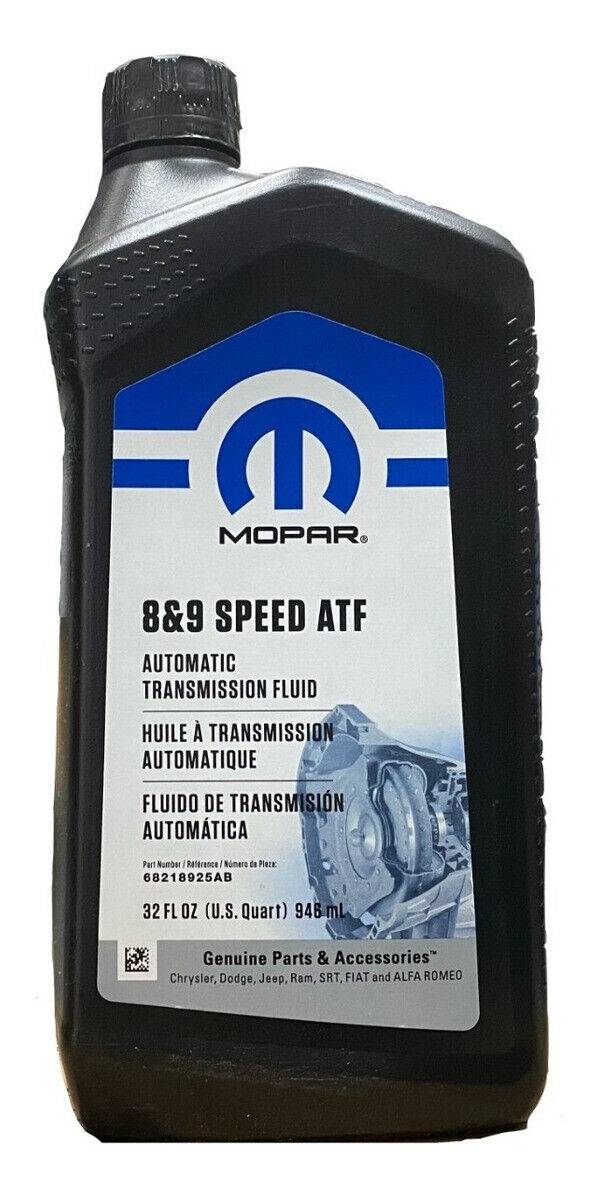
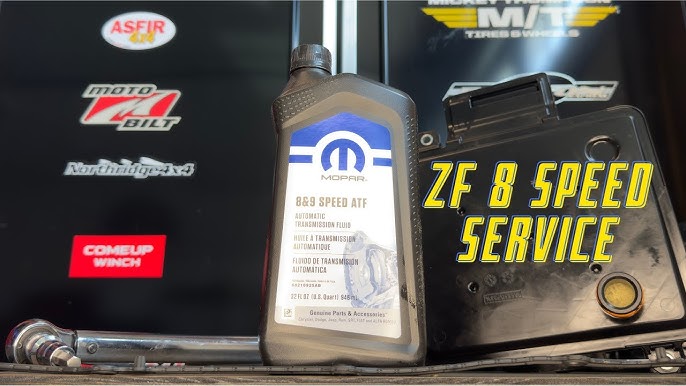
Using the correct fluid is key. The Jeep JL usually requires ATF+4 fluid, but always confirm with your manual.
Here’s a quick comparison:
| Transmission | Recommended Fluid | Capacity (approx.) |
|---|---|---|
| 8-Speed Automatic (850RE/8HP75) | ATF+4 or ZF Lifeguard 8 | 7–8 quarts |
| 6-Speed Manual | Manual Transmission Fluid | 3–4 quarts |
Always use genuine or approved fluids. Cheap alternatives can cause shifting problems and void warranties.
Diy Vs. Professional Service
Should you change the fluid yourself or go to a shop? Here’s a comparison:
| Aspect | DIY | Professional Service |
|---|---|---|
| Cost | Lower (just fluids/parts) | Higher (labor fees) |
| Skill Required | Moderate (basic tools needed) | None |
| Time | 1–2 hours | Faster (drop-off service) |
| Warranty | Possible issues if done incorrectly | Usually covered if dealer service |
Common Mistakes To Avoid
- Using the wrong fluid – Always check your manual.
- Overfilling or underfilling – Both can damage the transmission.
- Not replacing the filter – Old filters can clog and reduce flow.
- Ignoring leaks – Even small leaks can become major problems.
- Forgetting to check after a test drive – Fluid settles and may need a top-off.
Many first-timers forget to properly torque the pan bolts. This can lead to leaks, so always use a torque wrench.
How Fluid Change Extends Transmission Life
Changing transmission fluid regularly removes dirt, metal shavings, and old additives that can cause wear. Fresh fluid keeps gears and clutches working smoothly.
For Jeeps used in off-road or towing situations, fluid change is even more critical, as heavy use increases heat and contamination.
Neglecting fluid changes is a top reason for early transmission failure. Spending a little time and money now can save thousands later.