Owning a Jeep JL means you’re ready for adventure, but even small details like lug nut size matter more than you might think. If you ever need to change a tire, rotate wheels, or upgrade to aftermarket rims, knowing the exact lug nut size is essential.
Using the wrong size can lead to stripped threads, damaged wheels, or even dangerous driving conditions. This guide breaks down everything you need to know about the Jeep JL lug nut size, fitment tips, and common mistakes—so you’re prepared for any trail or highway.
Jeep Jl Lug Nut Size: The Key Facts
The Jeep JL, produced from 2018 onward, follows a specific lug nut specification. For factory wheels, the lug nut size is:
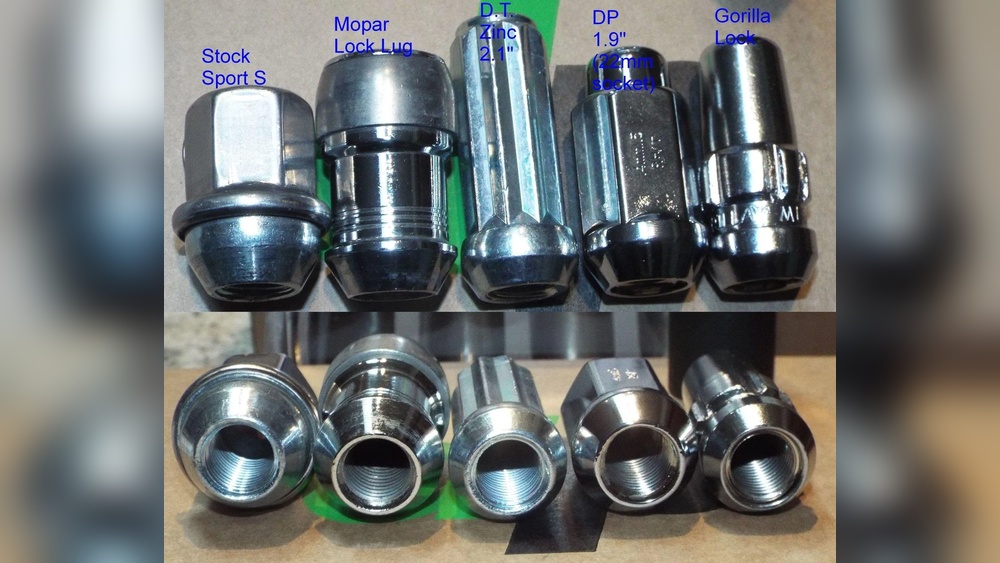
- Thread size: 14mm x 1.5
- Hex size: 22mm (socket size)
- Seat type: Conical (also called acorn or tapered)
This means the lug nut is 14 millimeters in diameter, has a thread pitch of 1. 5 millimeters, and uses a 22mm socket for removal or installation.
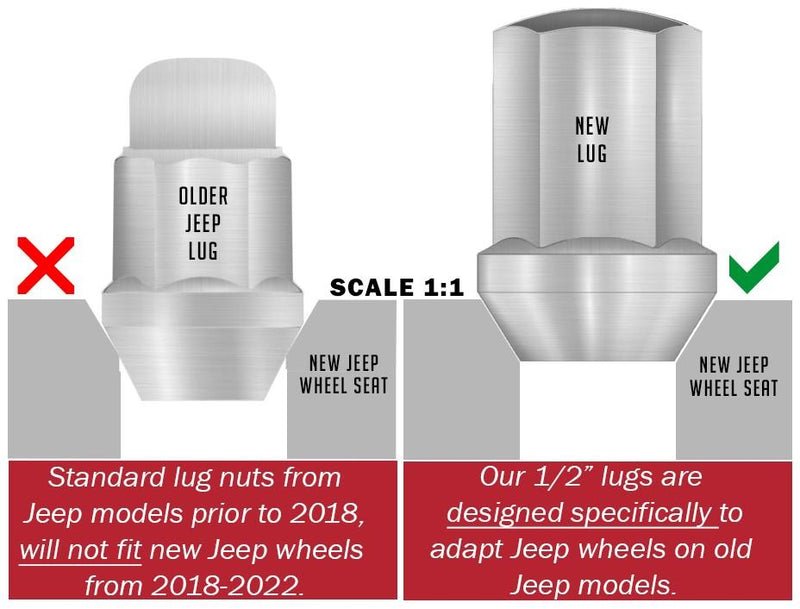
The seat type is crucial because it matches the shape of the wheel’s lug holes—using the wrong seat can cause the wheel to loosen over time.
Jeep Jl Lug Nut Size Table
Here’s a quick reference comparing the Jeep JL lug nut size to previous Jeep Wrangler models:
| Model | Year Range | Lug Nut Thread Size | Socket Size | Seat Type |
|---|---|---|---|---|
| Jeep JL | 2018–Present | 14mm x 1.5 | 22mm | Conical |
| Jeep JK | 2007–2017 | 1/2″ x 20 | 19mm | Conical |
| Jeep TJ | 1997–2006 | 1/2″ x 20 | 19mm | Conical |
Many owners mistake the JL lug nuts for the older JK or TJ sizes. Double-check before purchasing replacements or new wheels.
Why Lug Nut Size And Type Matter
The right lug nut does more than just hold the wheel in place. It ensures:
- Safety: Incorrect lug nuts can cause wheels to come loose.
- Wheel alignment: The proper seat type centers the wheel correctly.
- Easy maintenance: The right socket size prevents rounding off the nut.
A common mistake is using generic lug nuts from auto parts stores. These often have the wrong seat or thread pitch.
Only buy nuts specified for the Jeep JL.
How To Measure And Identify Lug Nuts
If you’re unsure about your Jeep JL’s lug nuts, follow these steps:
- Check the owner’s manual: The specifications are listed in the wheel and tire section.
- Remove a lug nut: Use a 22mm socket. Inspect the threads and seat type.
- Compare with a thread gauge: This confirms the 14mm x 1.5 thread.
If you can’t identify the seat type, look for a tapered (cone-shaped) end. This is standard on JL models.
Common Scenarios: When Lug Nut Size Becomes Critical
Tire Change Or Rotation
When swapping tires, always use a torque wrench set to 130 ft-lbs (factory specification). Over-tightening can stretch the stud, while under-tightening risks the wheel coming loose.
Aftermarket Wheels
Many aftermarket wheels require different lug nuts. For example, some use a bulge acorn style or a longer shank. Always check the wheel manufacturer’s requirements.
Damaged Or Swollen Lug Nuts
Jeep JL models sometimes develop swollen lug nuts due to corrosion between the steel core and chrome cap. This makes standard sockets fit poorly. If this happens, replace all lug nuts with solid one-piece versions.
Upgrading Your Lug Nuts: What To Consider
If you plan to upgrade or replace your lug nuts, consider these factors:
- Material: Solid steel or forged nuts are more durable than capped ones.
- Length: Some aftermarket wheels need longer nuts for a secure fit.
- Locking nuts: For added security, install a set of locking lug nuts.
Here’s a comparison of stock vs aftermarket lug nuts for the Jeep JL:
| Lug Nut Type | Material | Typical Use | Pros | Cons |
|---|---|---|---|---|
| Stock (OEM) | Steel w/ Chrome Cap | Factory Wheels | Good fit, easy to find | Prone to swelling |
| Solid Aftermarket | Forged Steel | Upgraded or aftermarket wheels | Durable, no swelling | May not match OEM look |
| Locking Lug Nut | Steel or Alloy | Security | Prevents theft | Needs special key |
Pro tip: When switching to aftermarket wheels, always buy new lug nuts recommended by the wheel manufacturer.
Tools Needed For Changing Jeep Jl Lug Nuts
You don’t need a full mechanic’s shop to work with Jeep JL lug nuts. The basic tools are:
- 22mm socket and breaker bar
- Torque wrench (set to 130 ft-lbs)
- Anti-seize lubricant (optional, prevents corrosion)
- Lug nut key (if you have locking nuts)
Never use an impact gun to finish tightening lug nuts. This can easily over-torque and damage the wheel or stud.

Mistakes To Avoid With Jeep Jl Lug Nuts
Many Jeep owners make small errors that can lead to big problems:
- Mixing old and new lug nuts: This can cause uneven torque.
- Ignoring swollen nuts: Swollen caps are hard to remove and can round off easily.
- Using the wrong seat type: The wheel may loosen if the seat doesn’t match.
- Skipping torque checks: Always re-check torque after driving 50–100 miles on new wheels.
Real-world Example: Trail Fix
Imagine you’re off-roading and hit a rock, damaging a wheel. You grab your spare, but your socket doesn’t fit because you switched to locking nuts months ago and forgot the key.
Many Jeep owners learn the hard way—always keep the correct socket and key in your tool kit.

Where To Buy Quality Lug Nuts
Buy from reputable auto parts stores or directly from Jeep dealerships. Avoid cheap online bulk packs, as these often don’t match exact specifications. For technical details, the official Mopar Jeep JL catalog is a reliable resource.
Frequently Asked Questions
What Is The Factory Lug Nut Size For The Jeep Jl?
The factory lug nut size is 14mm x 1.5 thread with a 22mm hex and a conical seat.
Can I Use Jk Or Tj Lug Nuts On My Jeep Jl?
No, the thread size and socket size are different. Always use JL-specific lug nuts for safety.
How Tight Should I Torque Jeep Jl Lug Nuts?
Torque to 130 ft-lbs using a torque wrench. Over-tightening or under-tightening can cause problems.
What Should I Do If My Lug Nuts Are Swollen?
Replace all swollen lug nuts with solid one-piece steel nuts. Swollen caps are hard to remove and may damage your tools.
Do I Need Special Lug Nuts For Aftermarket Wheels?
Yes, many aftermarket wheels require different seat types or lengths. Always follow the wheel manufacturer’s recommendations.
By understanding your Jeep JL lug nut size and following these tips, you’ll avoid headaches on the trail or in your driveway. A little attention to detail now means less trouble later—so keep your wheels secure and your adventures rolling.