If you own a Jeep JK (2007–2018 Wrangler), you know how important good tail lights are. They help other drivers see your vehicle, keep you safe, and make your Jeep legal on the road.
Sometimes, you might want to upgrade your tail lights, fix wiring problems, or add new features like LED lights. To do this, you need to understand the Jeep JK tail light wiring diagram.
This article explains the diagram, shows you the wiring layout, and gives practical advice for safe installation and troubleshooting.
Why The Tail Light Wiring Diagram Matters
A wiring diagram is like a map for your Jeep’s electrical system. It shows how wires connect to the tail lights, brake lights, and turn signals. If you follow the diagram, you can:
- Install new tail lights correctly
- Troubleshoot problems faster
- Avoid damaging your Jeep’s electrical system
- Add upgrades like LED lights or aftermarket accessories
Many beginners skip the wiring diagram and guess the connections. This often leads to blown fuses, malfunctioning lights, or even electrical fires. Knowing the diagram saves time and money.
Jeep Jk Tail Light Wiring Diagram Explained
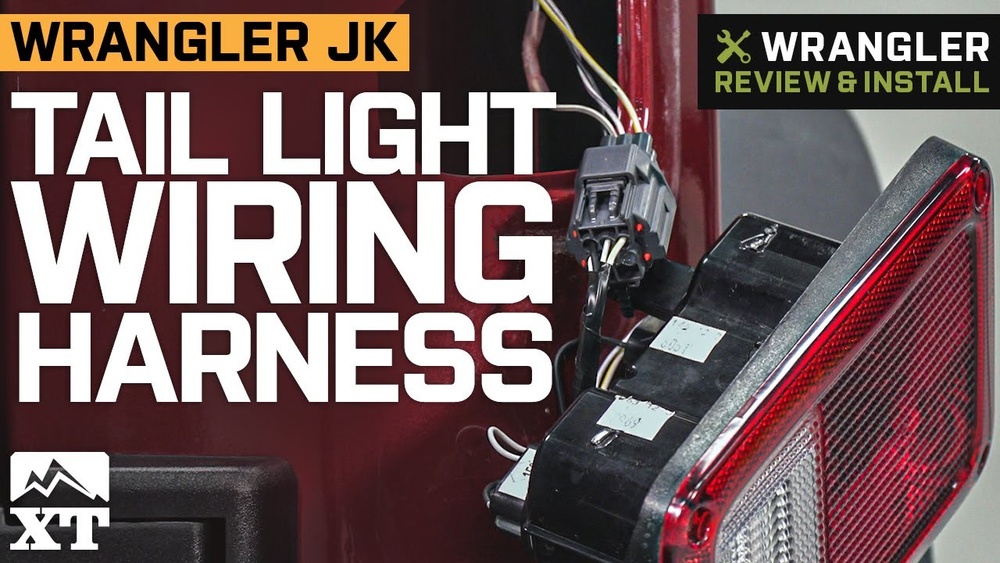
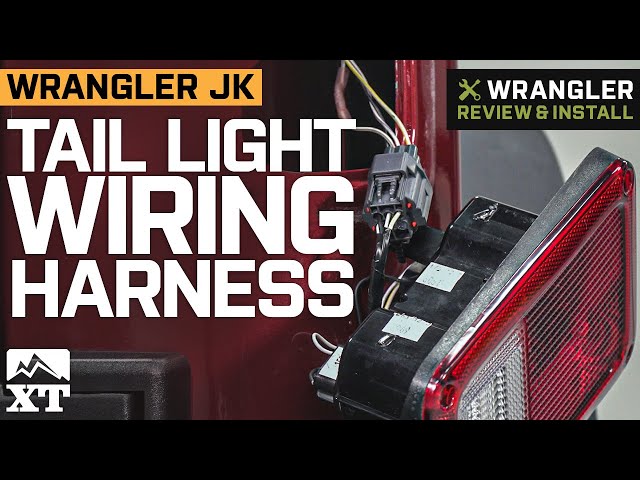
The Jeep JK uses a four-wire system for each tail light. Here is a typical wiring layout:
| Wire Color | Function | Location |
|---|---|---|
| Black | Ground | Body/frame |
| White/Yellow | Reverse Light | Tail light assembly |
| Green/Red | Brake/Turn Signal | Left tail light |
| Brown/Purple | Tail/Running Light | Both sides |
These colors may change slightly with aftermarket kits or special models. Always check your Jeep’s manual or the kit instructions.
Step-by-step: Installing New Tail Lights
Upgrading your Jeep JK tail lights is a common project. Here’s a practical guide:
- Disconnect the battery. This prevents accidental short circuits.
- Remove the old tail lights. Use a screwdriver to loosen screws and pull out the assembly.
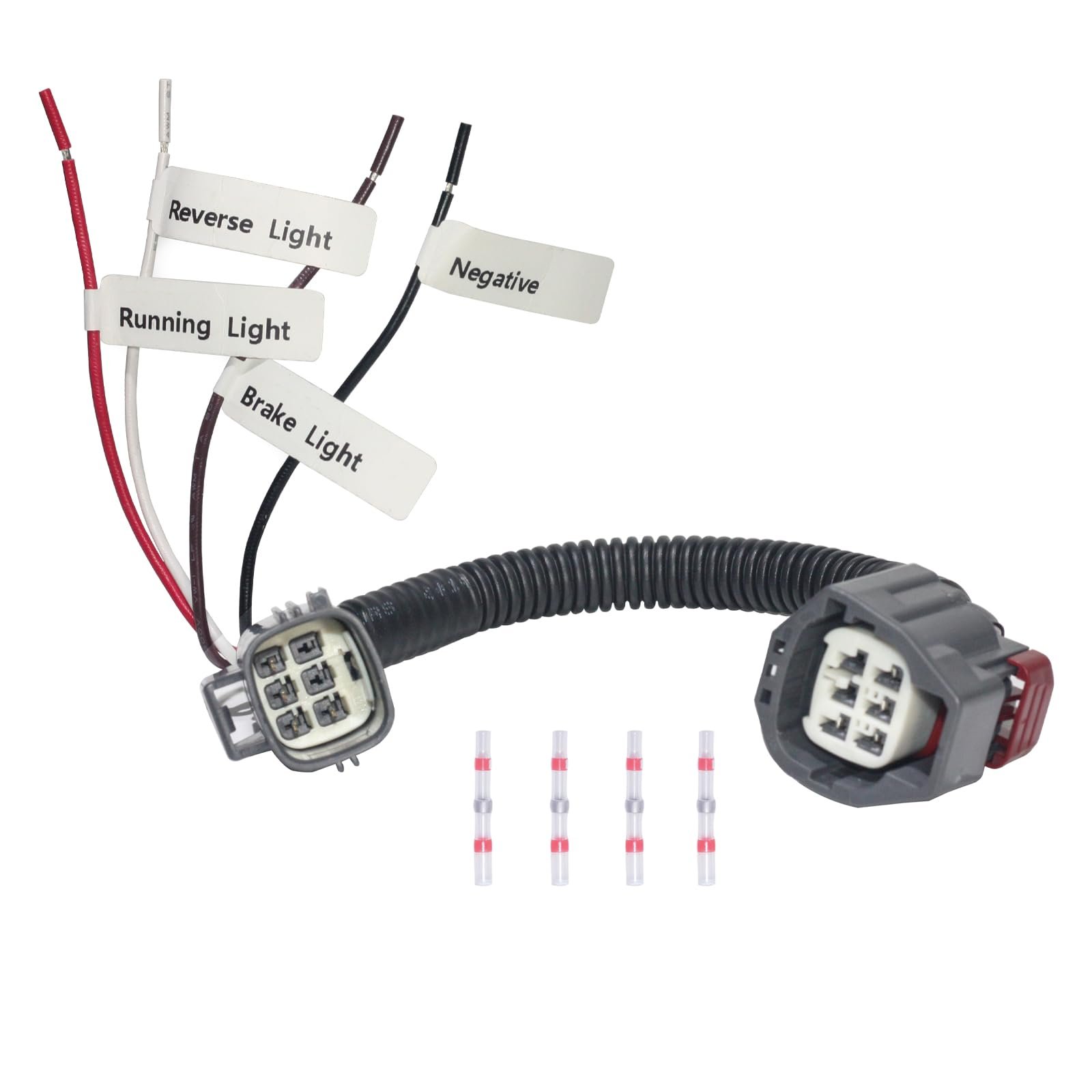
- Identify the wires. Check the colors and compare them to the wiring diagram.
- Connect the new tail lights. Match the wire colors to the functions:
- Black to ground
- White/yellow to reverse
- Green/red to brake/turn
- Brown/purple to tail/running
- Secure connections. Use crimp connectors or solder for strong, reliable joints.
- Test the lights. Reconnect the battery and check all functions: Running, brake, turn, and reverse lights.
- Reinstall the assembly. Make sure everything fits snug and water-tight.
Here’s a comparison of common tail light types for Jeep JK:
| Type | Brightness (Lumens) | Average Lifespan | Cost Range |
|---|---|---|---|
| Halogen | 300-400 | 2-3 years | $30-$60 |
| LED | 800-1000 | 5-8 years | $60-$150 |
| Aftermarket | Varies | 3-7 years | $80-$200 |
Common Problems And How To Fix Them
Sometimes, even after following the diagram, problems happen. Here are some of the most frequent issues:
- Lights not working: Check the fuse box first. Jeep JK uses a 15A fuse for tail lights. Replace if blown.
- One light dimmer: Usually a ground problem. Clean the connection and tighten the screw.
- Blinking too fast (hyperflash): Happens with LED upgrades. Install a load resistor to fix this.
- Reverse light not working: Double-check the white/yellow wire. It may be loose or disconnected.
Here’s a quick troubleshooting chart:
| Problem | Possible Cause | Solution |
|---|---|---|
| No tail light | Blown fuse | Replace fuse |
| Dim light | Poor ground | Clean ground |
| Hyperflash | LED installed | Add load resistor |
| No reverse light | Loose wire | Reconnect wire |
Practical Tips For Safe Wiring
- Always use electrical tape or heat shrink tubing to cover exposed wires.
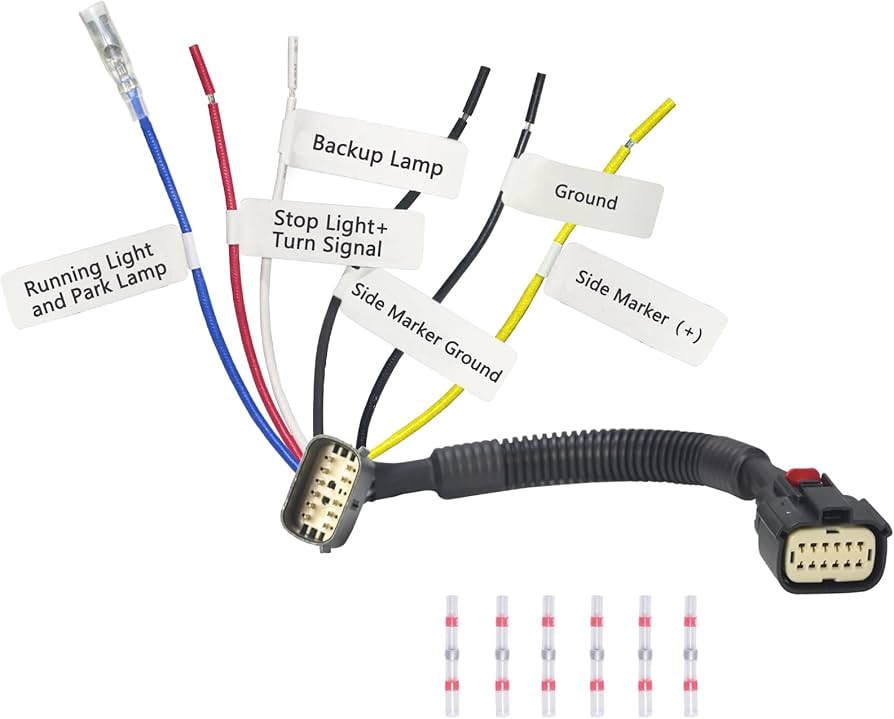
- Avoid mixing up the wire colors. If you’re unsure, use a multimeter to test.
- Never connect wires without disconnecting the battery.
- If you upgrade to LEDs, check if your Jeep needs a relay or resistor to avoid hyperflash.
- Don’t rush. Take photos of the original wiring before you start.
A non-obvious tip: Some aftermarket tail lights use a shared ground wire for multiple functions. If your new lights don’t work, check if the ground needs to be split or connected differently.
Where To Find Reliable Diagrams
Jeep forums and official repair manuals offer diagrams, but many are confusing or incomplete. The best source is the official Jeep service manual or trusted sites like Wiring Diagram. Always check for your model year.
Frequently Asked Questions
What Tools Do I Need To Wire Jeep Jk Tail Lights?
You’ll need a screwdriver, wire stripper, crimp connectors, electrical tape, and possibly a multimeter. For LED upgrades, a load resistor may be required.
Can I Install Led Tail Lights Without Changing The Wiring?
Usually yes, but you may need to add a load resistor to prevent hyperflash. Always follow the wiring diagram for safe installation.
Are Aftermarket Tail Lights Legal?
Most are legal if they meet DOT standards and match the original wiring. Check local laws before buying.
Why Does My Tail Light Fuse Keep Blowing?
This means there’s a short circuit or wrong connection. Double-check the wiring diagram and look for exposed wires.
How Do I Fix Dim Or Flickering Tail Lights?
Clean and tighten the ground connection. If the problem continues, check the bulb or replace the wiring.
Understanding your Jeep JK tail light wiring diagram is essential for safe upgrades and repairs. With the right tools and knowledge, you can install new lights, fix problems, and enjoy a brighter, safer ride. Always follow safety steps, use reliable diagrams, and don’t rush the process. Your Jeep deserves the best—give it the attention and care it needs.