Replacing a radiator in a Jeep JK isn’t just a basic maintenance task—it’s a smart way to keep your engine cool and healthy, especially if you drive off-road or in hot climates.
Overheating can lead to major engine problems, so knowing when and how to replace your radiator can save you time and money.
Let’s take a closer look at what’s involved, why it matters, and how you can do it yourself or choose the right shop.
Why Replace Your Jeep Jk Radiator?
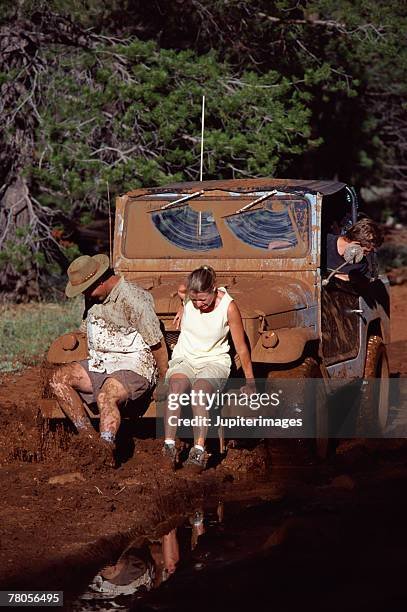
The Jeep JK Wrangler is known for its durability, but its radiator can develop leaks or blockages as it ages. Common signs you need a new radiator include engine overheating, coolant leaks under your Jeep, or a low coolant warning light. Sometimes, the radiator fins get clogged with mud or debris, especially if you like off-roading.
Ignoring these signs can cause your engine to overheat, leading to a blown head gasket or warped cylinder heads. Replacing a damaged radiator is much cheaper than paying for a new engine. Many Jeep JK owners find that after about 80,000 to 120,000 miles, the radiator may need replacement, especially if you often drive in tough conditions.
Choosing The Right Radiator
Not all radiators are the same. Here’s what you should keep in mind when buying a replacement:
| Feature | Stock Radiator | Aftermarket Radiator |
|---|---|---|
| Material | Plastic/Aluminum | All-Aluminum |
| Cooling Efficiency | Standard | Improved |
| Durability | Moderate | High |
| Price | Lower | Higher |
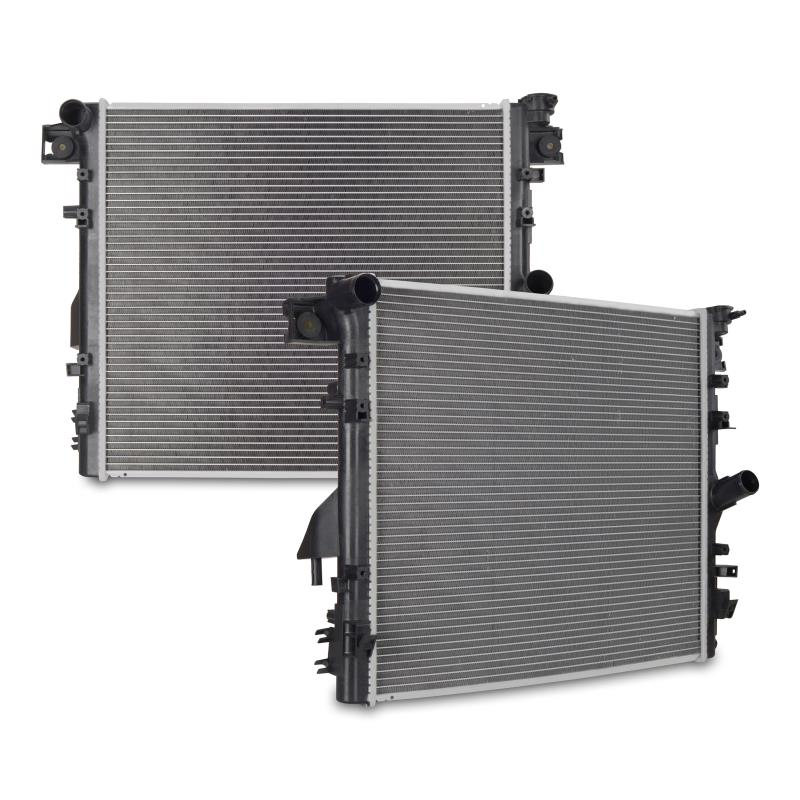
Many Jeep JK owners prefer all-aluminum radiators for better cooling, especially if they’ve added larger tires, a winch, or other accessories that make the engine work harder. While they cost more, they tend to last longer and handle heat better.
Diy Radiator Replacement Steps
If you’re comfortable with basic tools, replacing your Jeep JK radiator can be done in your garage. Plan for 2–4 hours of work. Here’s a clear process:
- Safety First: Let the engine cool. Disconnect the battery.
- Drain Coolant: Open the radiator drain plug. Collect old coolant for safe disposal.
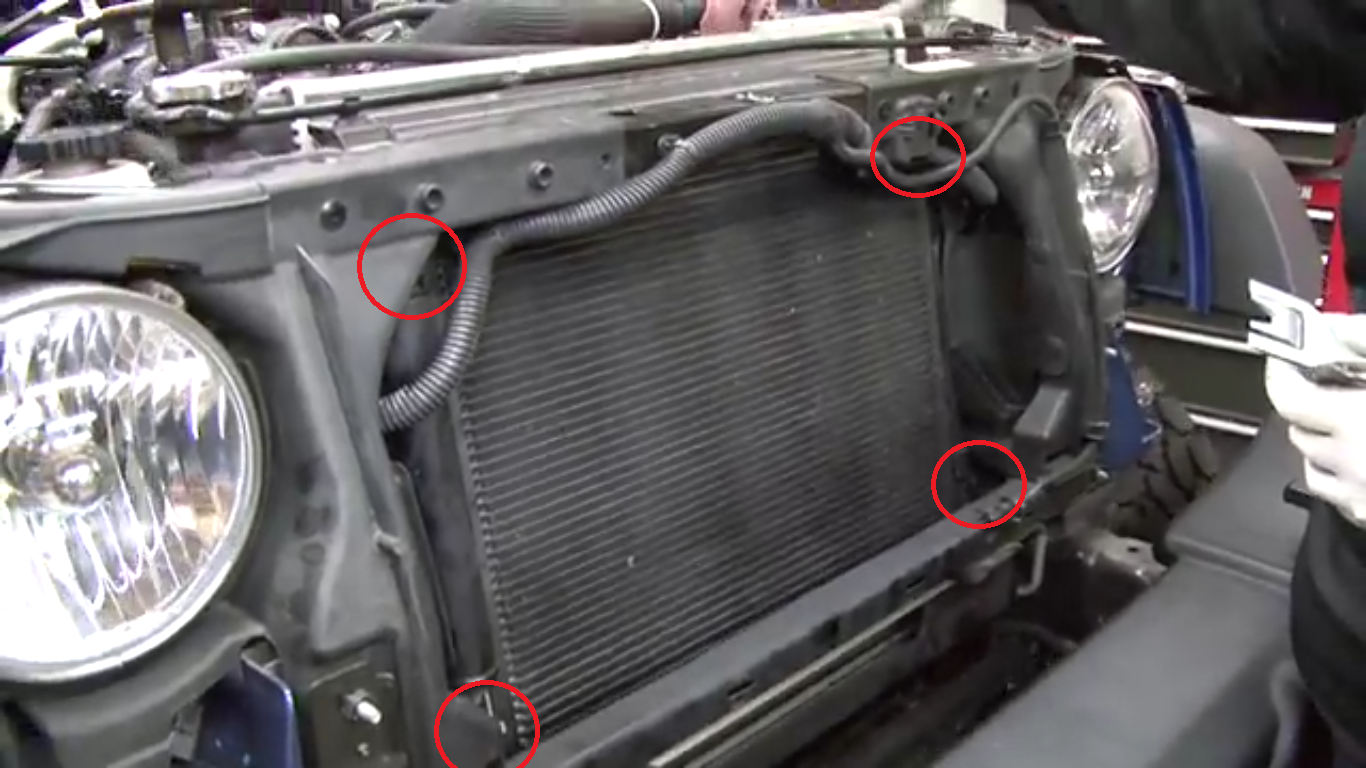
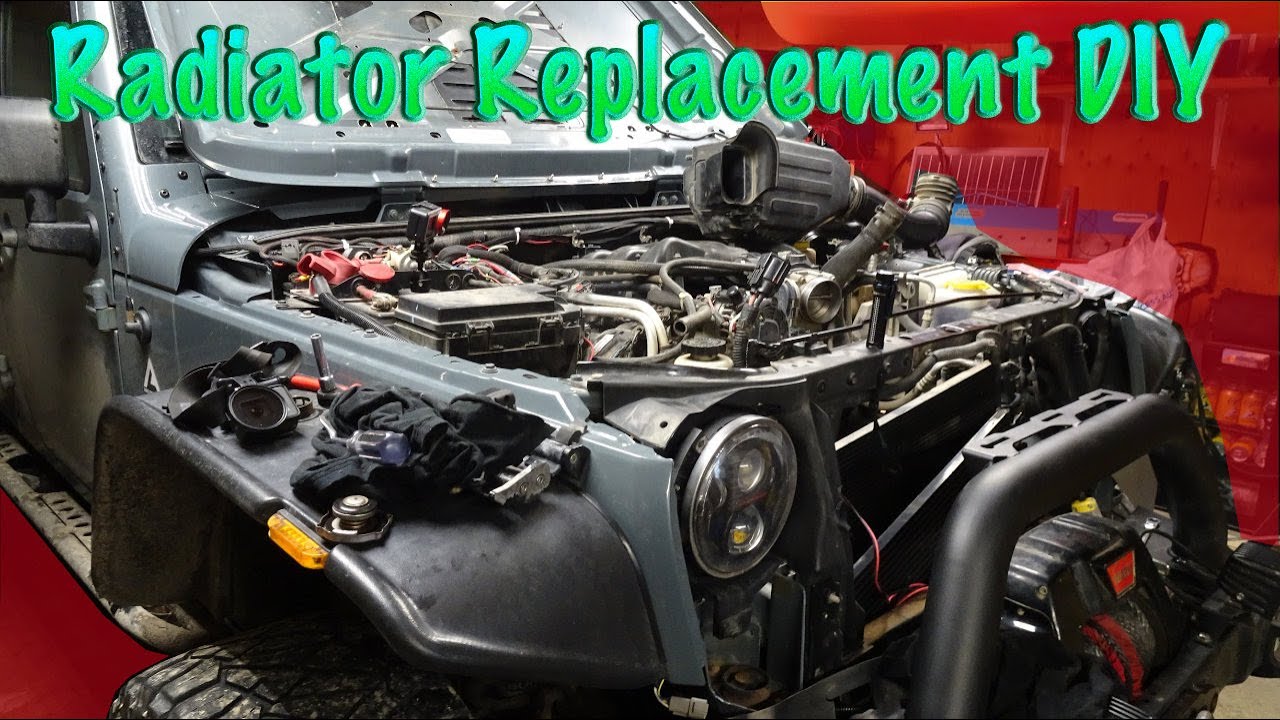
- Remove Components: Take off the plastic engine cover, air intake, and fan shroud.
- Disconnect Hoses: Remove the upper and lower radiator hoses. Watch for leftover coolant.
- Remove Transmission Cooler Lines: If your Jeep is automatic, carefully disconnect these lines.
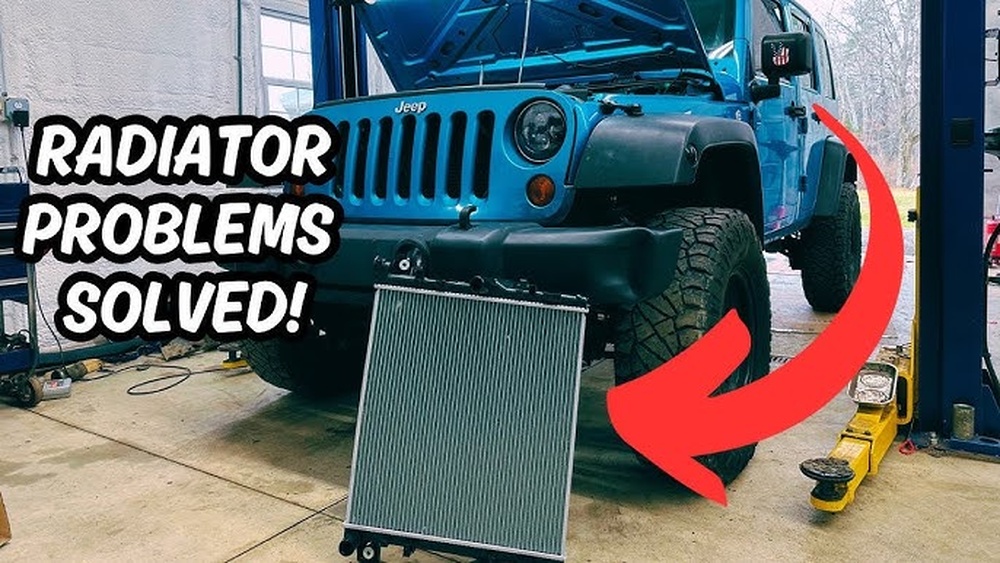
- Take Out Old Radiator: Remove the mounting bolts and lift out the radiator. Be careful not to damage the condenser.
- Install New Radiator: Place the new radiator in position. Reattach hoses and transmission lines.
- Reinstall Components: Reverse the removal steps.
- Refill Coolant: Use the correct coolant type. Bleed air from the system as you fill.
- Test for Leaks: Start the engine, let it reach operating temperature, and check for leaks.
Helpful Tips
- Use factory-specified coolant for best results.
- Replace any worn hoses or clamps during the job.
- When refilling, keep an eye on coolant level for a few days—sometimes air pockets drop the level after driving.
Costs And What Affects Them
The price for a Jeep JK radiator replacement varies:
| Item | Typical Cost |
|---|---|
| Parts (Stock Radiator) | $150 – $350 |
| Parts (All-Aluminum) | $300 – $600 |
| Coolant | $20 – $40 |
| Professional Labor | $250 – $500 |
| Total (DIY) | $170 – $640 |
| Total (Shop) | $420 – $1,140 |
Labor costs depend on shop rates in your area. DIY saves money, but be honest about your skill level.
If you’re unsure, hiring a pro can avoid bigger issues.
Common Mistakes To Avoid
Beginners often miss a few important details:
- Not bleeding air from the cooling system. Air pockets can cause overheating even with a new radiator.
- Forgetting to reconnect all electrical plugs or transmission lines. Double-check everything before starting the engine.
- Using the wrong coolant. Jeep JKs need HOAT (Hybrid Organic Acid Technology) coolant—using the wrong type can cause internal damage.
Many new owners also skip replacing old hoses. It’s smart to change them while you have access, saving labor and future breakdowns.
How To Make Your New Radiator Last
A new radiator is an investment. Here’s how to protect it:
- Flush coolant every 2–3 years to prevent corrosion.
- Check hoses and clamps during oil changes.
- After heavy off-road trips, rinse mud or debris from the radiator fins.
- Inspect for leaks or drops in coolant level regularly.
If you notice overheating or leaks, don’t delay repairs. Quick action prevents bigger problems.
When To Choose A Shop
DIY isn’t for everyone. If you lack tools, space, or mechanical confidence, a trusted mechanic can finish the job quickly and safely.
Shops also handle proper coolant disposal and often provide a warranty on their work.
A good shop will pressure-test your system after installation and check for other issues. This peace of mind is worth the cost for many drivers.
Frequently Asked Questions