When you own a Jeep JK, you expect adventure—not oil puddles on your driveway. But if you notice oil leaking around your engine, you might have a common problem: the oil cooler leak.
This issue frustrates many Jeep JK owners, and it can lead to bigger engine troubles if ignored. Let’s look at why this leak happens, how to spot it, and what you can do to keep your Jeep running smoothly.
What Is The Jeep Jk Oil Cooler?
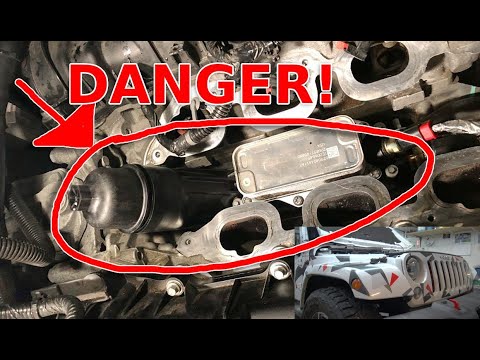
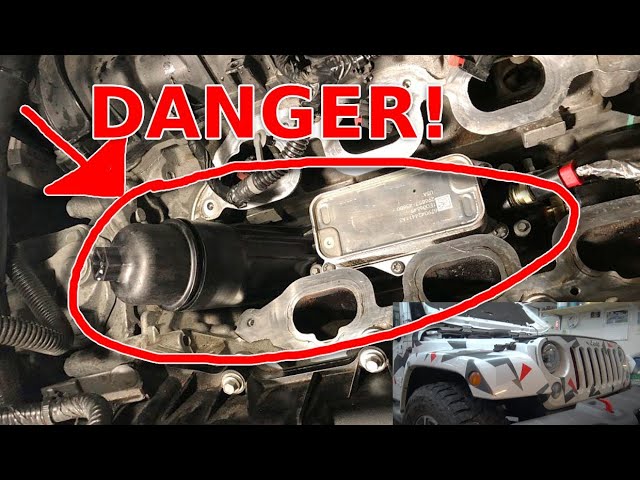
The oil cooler is a small but important part of your Jeep JK’s engine. Its job is to keep your engine oil at a safe temperature. It sits between the engine block and the oil filter, with coolant lines running through it. When it fails, oil and coolant can mix or leak outside the engine, causing messy and sometimes serious problems.
Why Does The Oil Cooler Leak?
Many Jeep JK models—especially the 2012 to 2018 versions with the 3.6L Pentastar engine—are known for oil cooler leaks. Here are the main reasons why:
- Plastic housing weakness: The original oil cooler uses plastic, which can crack over time from heat and pressure.
- Bad gaskets: Rubber seals get brittle and lose their seal, leading to leaks.
- Thermal cycling: Engine heat makes parts expand and contract, which can slowly cause cracks or loosen seals.
- Poor installation: If a previous repair wasn’t done right, the cooler or gaskets may not be sealed properly.
Non-obvious insight: Many owners replace just the gasket, but if the plastic is warped, the leak will return. Always check the housing for warping.

Signs Of An Oil Cooler Leak
Noticing a leak early can save you a lot of money. Watch for these signs:
- Oil puddles under the engine, usually near the middle.
- Burning oil smell while driving or after stopping.
- Low oil level or oil pressure warning lights.
- Coolant in the oil (milky color on the dipstick).
- Check engine light.
Small leaks can go unnoticed, but even a slow drip can turn into a big problem if left alone.
How To Confirm The Leak
To be sure the oil cooler is leaking, you or your mechanic can check:
- Visual inspection: Remove the intake manifold to see the oil cooler. If you see oil pooling in the engine valley, it’s a strong sign.
- UV dye test: Adding UV dye to the oil helps find the exact leak spot with a UV light.
- Check for cross-contamination: Milky oil or oily coolant means a leak is letting fluids mix.
Here’s a quick comparison of symptoms and what they mean:
| Symptom | Likely Problem |
|---|---|
| Oil under engine | External oil cooler leak |
| Milky oil | Coolant mixing with oil |
| Burning smell | Oil on exhaust or hot engine parts |
Repair Options And Costs
Fixing an oil cooler leak on a Jeep JK can be tricky. Here’s what you need to know:
Diy Vs. Professional Repair
- DIY repair: If you have tools and patience, you can replace the oil cooler yourself. Expect 3–5 hours of work.
- Professional shop: Most shops charge 4–6 hours of labor. This is safer if you’re not comfortable working under the hood.
Parts And Pricing
- OEM oil cooler assembly: $120–$250
- Aftermarket upgraded metal coolers: $150–$300
- Labor cost: $400–$700, depending on shop rates
Here’s a breakdown of common options:
| Part Type | Estimated Cost | Durability |
|---|---|---|
| OEM plastic | $120–$250 | 3–5 years |
| Aftermarket metal | $150–$300 | 5+ years |
| Gasket only | $20–$40 | Temporary fix |
Pro tip: Upgrading to a metal oil cooler is a smart move if you want to prevent future leaks.
Preventing Future Leaks
While you can’t change the Jeep JK’s design, you can lower your risk:
- Change oil regularly: Dirty oil can damage seals faster.
- Watch your temperature: Overheating stresses the oil cooler.
- Check under the hood: Spot leaks early by looking for oil or wet spots.
- Don’t ignore small leaks: Fix problems early to avoid bigger repairs.
A hidden risk: Even a slow leak can ruin sensors and wiring near the engine valley, leading to more expensive repairs later.
Common Mistakes To Avoid
- Ignoring warning signs: Waiting too long can lead to engine damage.
- Using cheap gaskets: Low-quality parts often fail quickly.
- Skipping the cleaning step: Leaving old oil in the engine valley can hide new leaks.
- Not replacing the oil filter: Always use a fresh filter after repairs.
Non-obvious insight: Many Jeep owners don’t realize that oil cooler leaks can also cause issues with the starter or alternator, since oil can drip down onto these parts and shorten their life.
When To Seek Help
If you see oil and can’t tell where it’s from—or if you’re losing both oil and coolant—don’t risk your engine. A trusted mechanic can use pressure tests and special tools to find the leak source and recommend the best fix.
For more details on the Pentastar oil cooler issue, visit this detailed Jeep JK history page.
Frequently Asked Questions
Why Does The Jeep Jk Oil Cooler Fail So Often?
The factory oil cooler in the Jeep JK uses plastic and rubber, which break down faster from engine heat and stress. Many owners see leaks by 60,000 to 100,000 miles, sometimes sooner in hot climates.
Can I Drive With An Oil Cooler Leak?
It’s risky. Even a small leak can get worse quickly, leading to low oil pressure and possible engine damage. It’s best to repair the leak as soon as you notice it.
Is The Oil Cooler Leak Covered Under Warranty?
For most Jeep JKs, the factory warranty has expired. However, some extended warranties or recalls may cover certain years. Always check with your dealer before paying for repairs.
How Long Does It Take To Replace The Oil Cooler?
A skilled mechanic can finish in 4–6 hours. DIY repairs may take longer, especially if you’re not familiar with removing the intake manifold and other engine parts.
What’s The Best Replacement Oil Cooler?
Many Jeep owners prefer aluminum or metal oil coolers from reputable aftermarket brands. These last longer and are less likely to crack compared to the factory plastic version.
A leaking oil cooler is annoying, but not the end of your Jeep’s adventures. With the right fix and a little attention, your JK will be ready for many more miles on and off the road.