Jeep Jk Front Suspension Diagram: A Clear Guide
The Jeep JK Wrangler is famous for its off-road abilities and strong build. But what helps it handle rough trails and city roads is the front suspension system.
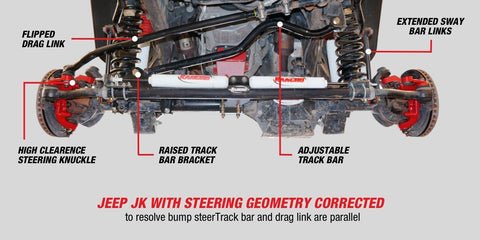
If you want to lift, repair, or upgrade your Jeep JK, understanding the front suspension diagram is essential. This guide will break down each part, show how they connect, and explain what you need to know before making changes.
Why The Front Suspension Matters
The front suspension keeps your Jeep JK’s ride smooth and stable. It absorbs bumps, supports steering, and holds the wheels in the right place. Without a strong suspension, your Jeep would feel rough, unsafe, and hard to control—especially off-road. Many Jeep owners upgrade their suspension to handle bigger tires, rougher trails, or just to improve comfort.
Main Parts In The Jeep Jk Front Suspension Diagram
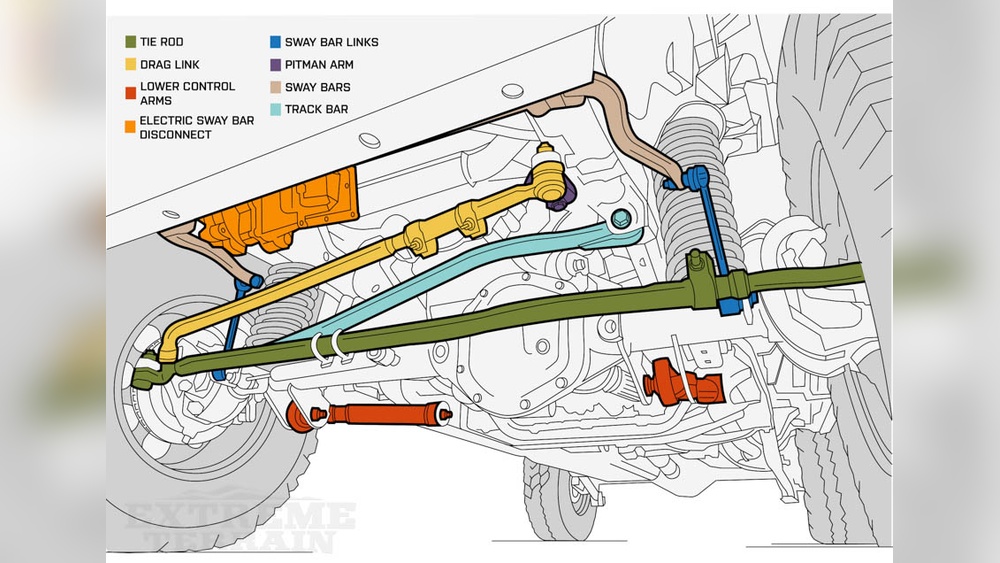
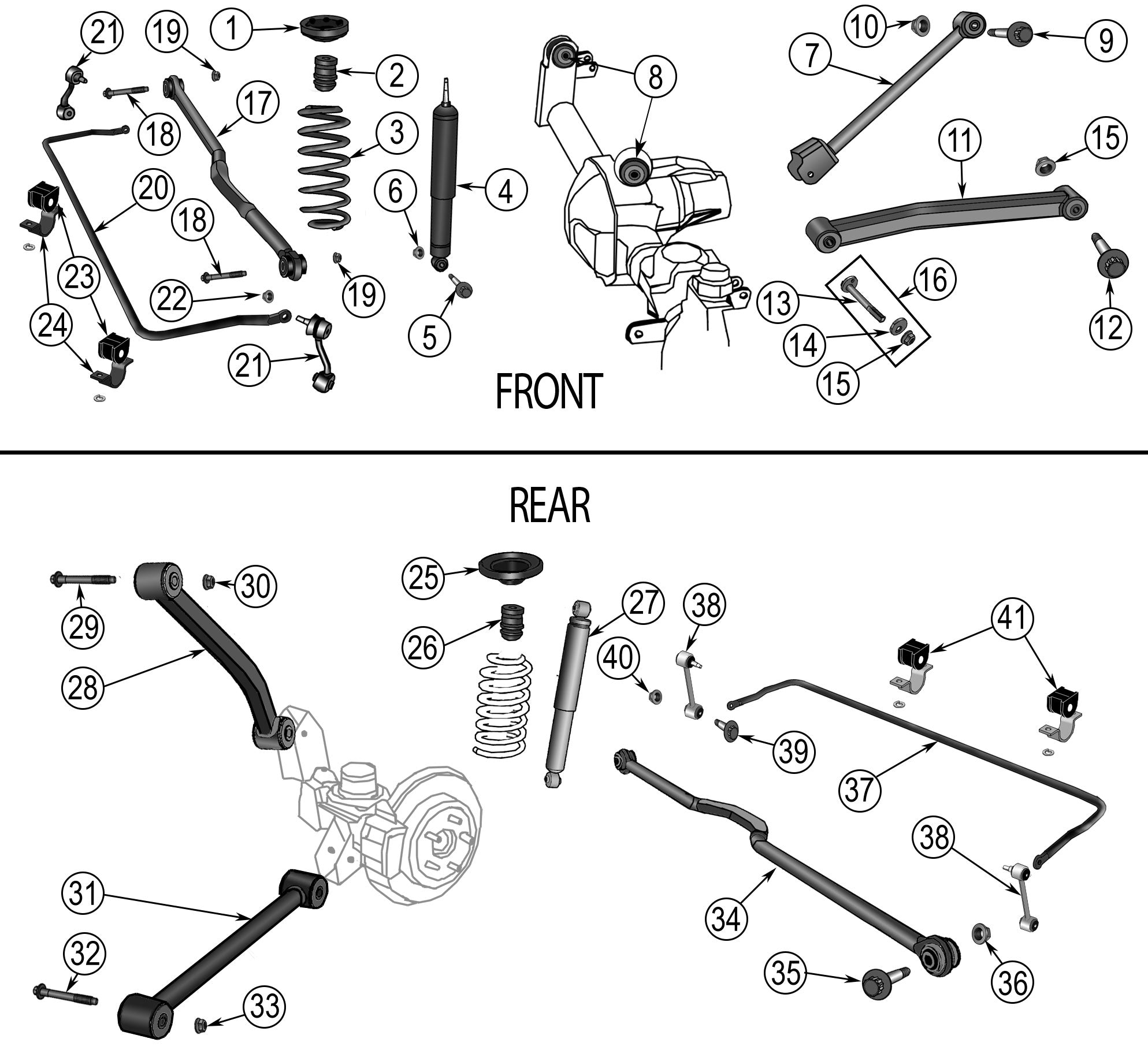
If you look at a Jeep JK front suspension diagram, you’ll see several key parts working together:
- Coil Springs – These support the Jeep’s weight and allow the wheels to move up and down.
- Shock Absorbers – They control the motion of the coil springs, stopping too much bouncing.
- Control Arms – Upper and lower arms keep the axle in position as the suspension moves.
- Track Bar – This bar holds the axle centered under the Jeep, preventing side-to-side movement.
- Sway Bar – Also called the stabilizer bar, it reduces body roll during turns.
- Steering Linkages – Includes the drag link and tie rod, connecting the wheels to the steering box.
- Axle Assembly – The solid front axle holds the wheels, brakes, and connects to the driveshaft.
Here’s a simple comparison to help you see how the main parts interact:
| Part | Main Function | Signs of Failure |
|---|---|---|
| Coil Springs | Support weight, allow movement | Sagging, uneven ride |
| Shock Absorbers | Control bounce, absorb shock | Leaking oil, bouncy ride |
| Control Arms | Guide axle movement | Loose steering, uneven tire wear |
| Track Bar | Center axle | Wandering, clunking noise |
| Sway Bar | Reduce body roll | Leaning in turns |
How The Jeep Jk Front Suspension Works
The front suspension system on the Jeep JK uses a solid axle with coil springs. This design is strong and reliable, perfect for off-roading. Here’s what happens as you drive:
- When you hit a bump, the coil springs compress.
- Shock absorbers slow the spring movement, keeping your ride smooth.
- Control arms let the axle move up and down but not forward or backward.
- The track bar keeps the axle centered, especially during turns or uneven ground.
- The sway bar connects both sides, so the Jeep doesn’t lean too much in corners.
All these parts must work together. If one fails, it can affect the whole system.
For example, a bad track bar can make your steering feel loose or cause “death wobble”—a fast, shaking motion that is scary and dangerous.
Understanding The Diagram
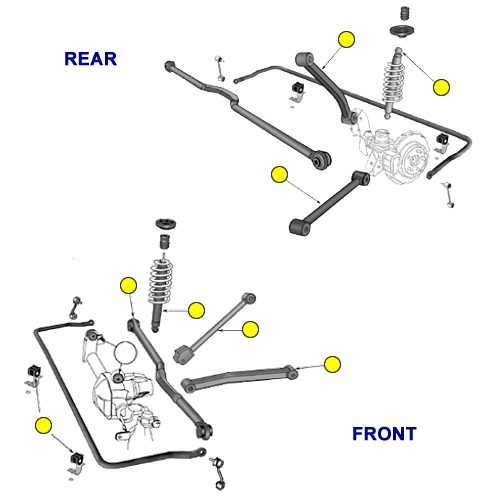
A front suspension diagram is like a map. It shows where each part fits and how they connect. Here’s a simple breakdown of what you’ll see:
- The axle runs across the Jeep, connecting left and right wheels.
- Control arms run from the axle to the frame (upper and lower arms).
- The track bar runs diagonally from the frame to the axle.
- Shock absorbers sit near the coil springs, attached at both ends.
- Sway bar links run from the frame to the axle ends.
Here’s a basic visual comparison of stock vs. lifted Jeep JK front suspension setups:
| Feature | Stock Suspension | Lifted Suspension |
|---|---|---|
| Coil Spring Height | Standard | Taller (2″-4″+) |
| Shock Length | Factory size | Longer for extra travel |
| Track Bar | Fixed length | Adjustable for alignment |
| Control Arms | Stock length, fixed | Adjustable or longer arms |
Common Upgrades And What To Watch For
Many Jeep JK owners upgrade their front suspension for better off-road performance. Here are some popular changes and what you should know:
- Lift Kits – These raise the Jeep for bigger tires and more ground clearance. But lifting too high without correcting steering and alignment can cause problems.
- Heavy-Duty Track Bars – Stronger bars handle the stress of off-roading and prevent axle shift.
- Adjustable Control Arms – These allow better alignment after a lift, improving ride quality.
- Quick Disconnect Sway Bar Links – These let you disconnect the sway bar for more wheel movement off-road.
One mistake many beginners make is not upgrading all the needed parts together. For example, lifting your Jeep but keeping the stock track bar can cause alignment issues and tire wear.
Here’s a quick reference for common upgrade options:
| Upgrade | Benefit | Possible Issue |
|---|---|---|
| Lift Kit | More ground clearance | Steering changes, alignment needed |
| HD Track Bar | Stronger, better handling | Cost, install complexity |
| Adjustable Control Arms | Precise alignment | Higher price |
| Quick Disconnect Links | Easy sway bar removal | Loose hardware if not installed right |
Practical Tips For Maintenance
Keeping your front suspension in good shape is key for safety and comfort. Here are a few simple tips:
- Inspect parts regularly for wear, cracks, or leaks.
- Check bolts and nuts for tightness after off-roading.
- Grease bushings if your control arms have grease fittings.
- Replace worn shocks as soon as you notice poor ride quality.
A non-obvious tip: When you hear clunks or feel vibrations, don’t just check one part. Sometimes issues like “death wobble” come from several worn parts together, not just one.
Another insight: Upgrading one part, like the track bar, may require a front-end alignment to keep your tires wearing evenly and your steering straight.
For in-depth diagrams and factory specs, the official Jeep site offers technical resources.