If you drive a Jeep, you know how important the heater is—especially on cold mornings or during winter adventures. A working heater keeps you comfortable and safe.
When your Jeep’s heater fails, it’s not only inconvenient but can also make it hard to see through fogged windows.
Fixing a Jeep heater might sound complicated, but with the right knowledge, you can often solve the problem yourself or understand what your mechanic is doing.
Common Reasons Your Jeep Heater Fails
Jeep heaters have a few common failure points. The most frequent causes are:
- Low coolant level – The heater core needs enough coolant to work.
- Heater core blockage – Dirt or rust can block the core, stopping heat flow.
- Faulty thermostat – If stuck open, your engine won’t warm up enough for the heater to work.
- Broken blower motor – Without the fan, hot air won’t move into the cabin.
- Malfunctioning controls – Worn knobs or switches can prevent the heater from turning on.
Each of these problems shows different signs. For example, a blocked heater core might mean weak or no heat, while a stuck thermostat often causes the temperature gauge to stay low.
Diagnosing Jeep Heater Problems
Finding the real issue saves time and money. Here’s how to narrow down the problem:
- Check coolant level under the hood. Low coolant often means a leak elsewhere.
- Test the blower fan – Turn the heat on high. If you hear nothing, the fan or its fuse might be bad.
- Feel both heater hoses – Both should be hot if the core is working. If one is cold, there’s likely a blockage.
- Watch the temperature gauge – If it never rises, the thermostat may need replacing.
- Listen for clicking or grinding from under the dash. This can point to a bad blend door actuator.
Professional mechanics use these same steps. If you’re not sure, most auto shops can run diagnostics for a small fee.
Step-by-step Jeep Heater Repair
You can fix some heater problems with basic tools. Here are steps for the most common repairs.
Replacing A Faulty Thermostat
A thermostat stuck open makes the engine run cold. Here’s how to change it:
- Let the engine cool.
- Drain some coolant from the radiator.
- Remove the thermostat housing (usually near the upper radiator hose).
- Swap in a new thermostat and gasket.
- Refill coolant and check for leaks.
This repair usually costs $10–$30 for parts and takes about an hour.
Flushing The Heater Core
A clogged heater core stops hot air. Flushing it can restore heat:
- Remove both heater hoses from the firewall.
- Connect a garden hose to one inlet and gently flush water through.
- Repeat from the other side.
- Reconnect hoses and top up coolant.
If flushing doesn’t work, the core may need replacing—a much bigger job.
Fixing Blower Motor Issues
If the fan doesn’t blow, check the fuse first. If the fuse is good, the motor may need replacing:
- Remove the glove box for access.
- Unplug the blower motor.
- Remove mounting screws and replace the motor.
- Test the system before putting everything back.
On most Jeeps, this repair takes under an hour.
Comparing Jeep Heater Core Replacement Costs
Heater core replacement is one of the most expensive heater repairs. Here’s how costs compare:
| Jeep Model | Parts Cost | Labor Hours | Estimated Total |
|---|---|---|---|
| Wrangler JK | $80–$150 | 5–7 | $600–$900 |
| Cherokee XJ | $70–$120 | 4–6 | $500–$800 |
| Grand Cherokee WJ | $90–$160 | 6–8 | $700–$1,000 |
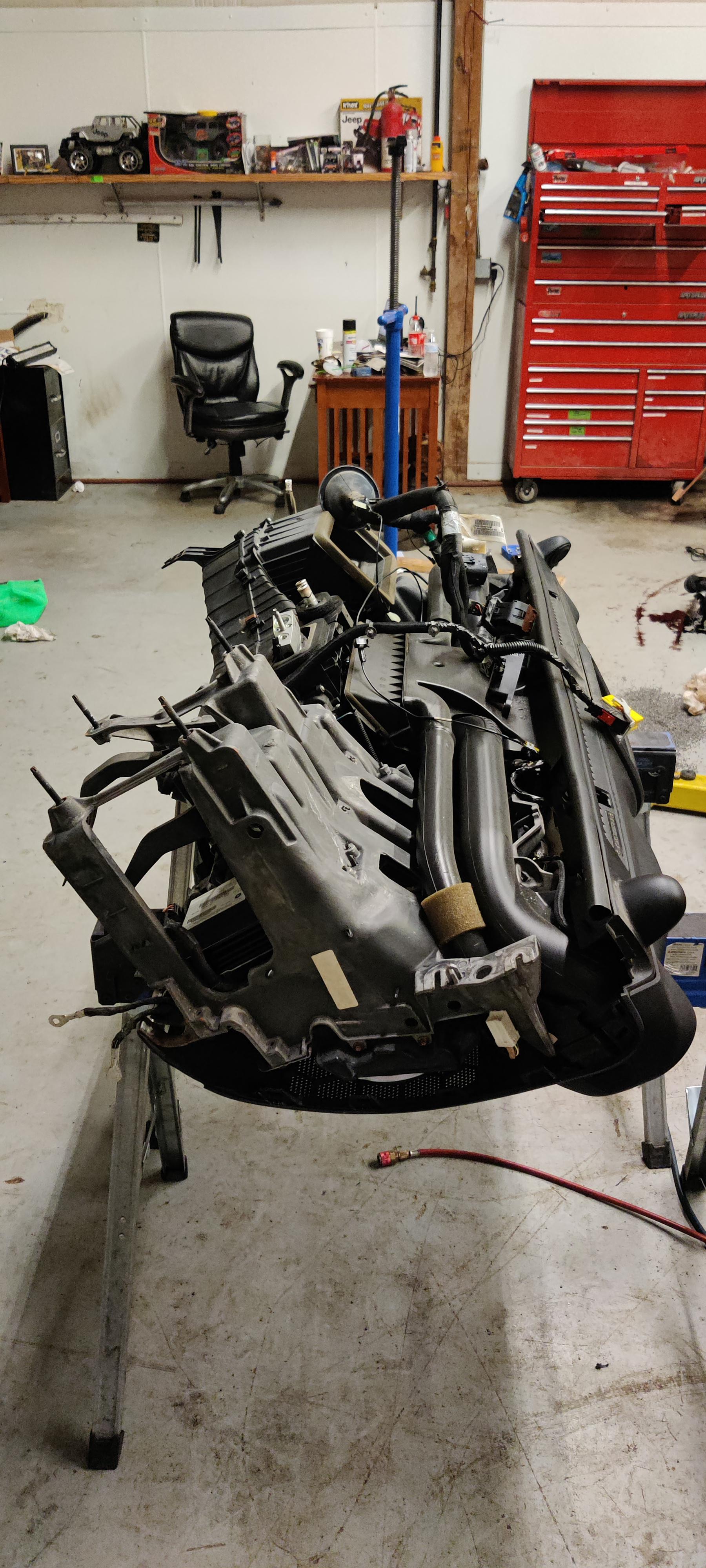
Labor is the biggest cost because the dashboard must be removed. Many DIYers avoid this repair unless they have experience.
Preventing Future Heater Problems
You can avoid many heater issues with simple habits:
- Check coolant level monthly.
- Flush coolant every two years to prevent rust and blockages.
- Run the heater at least once a month, even in summer, to keep parts moving.
- Fix leaks quickly – even small coolant leaks can cause big problems.
Most Jeep heater issues start small. Quick action usually means cheaper repairs.
When To Call A Professional
Some repairs, like heater core replacement, are complex. If you see these signs, it’s safer to get help:
- Coolant on the floor inside the Jeep (leaking core)
- Strong sweet smell inside the cabin
- Steam from vents
- Electrical burning smells when running the fan
An experienced mechanic has special tools to find and fix these problems without damaging your Jeep.

Comparison: Jeep Heater Vs Other Brands
How does Jeep’s heater system stack up against other SUVs? Here’s a quick look:
| Brand | Heater Core Cost | Repair Difficulty | Common Problems |
|---|---|---|---|
| Jeep | Medium | High | Core clogs, blend door issues |
| Toyota | Low–Medium | Medium | Rare core leaks |
| Ford | Low | Low–Medium | Blower resistors, switches |
Jeep’s heater core is often harder to reach. This makes DIY repairs more challenging compared to some competitors.
Practical Tips For Jeep Owners
- Always let your Jeep warm up for a few minutes in cold weather. This helps the heater work better and reduces engine wear.
- Use a 50/50 mix of antifreeze and water. The right mix prevents freezing and corrosion.
- If your Jeep is older (over 10 years), consider replacing the heater hoses and clamps when doing heater repairs.
- Don’t ignore minor heater issues. A weak heater can signal bigger problems ahead.
One thing many owners miss: air pockets in the cooling system can stop the heater from working. When refilling coolant, use the bleeder valve or park on a slope with the radiator cap higher to let air escape.