If your Jeep Grand Cherokee window suddenly stops moving, gets stuck, or makes grinding noises, you’re not alone. Many owners face issues with the window regulator—the part that moves the window up and down.
Fixing this part can seem intimidating, but with the right guidance, you can repair it yourself or understand what to expect from a mechanic. This guide explains everything you need to know, including how the regulator works, signs of failure, DIY steps, and how much you should pay for repairs.
What Is A Window Regulator And Why Does It Fail?
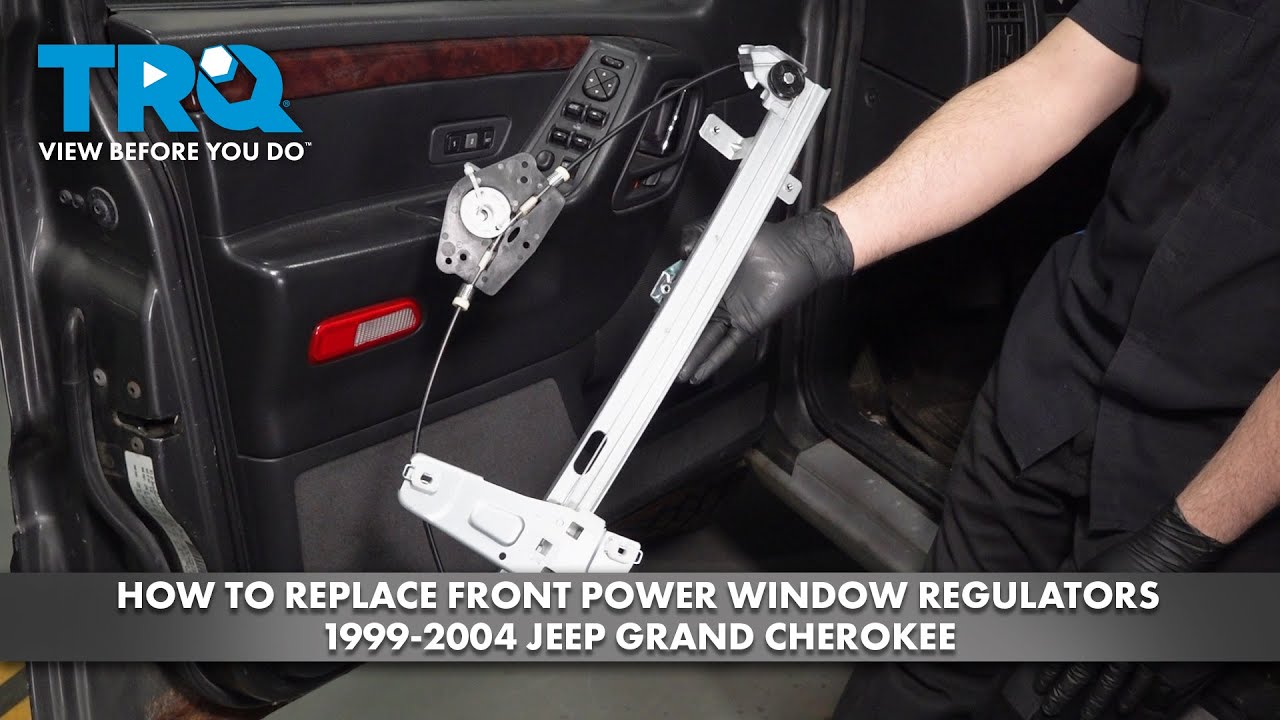
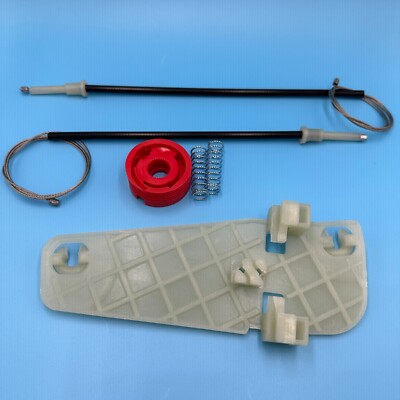
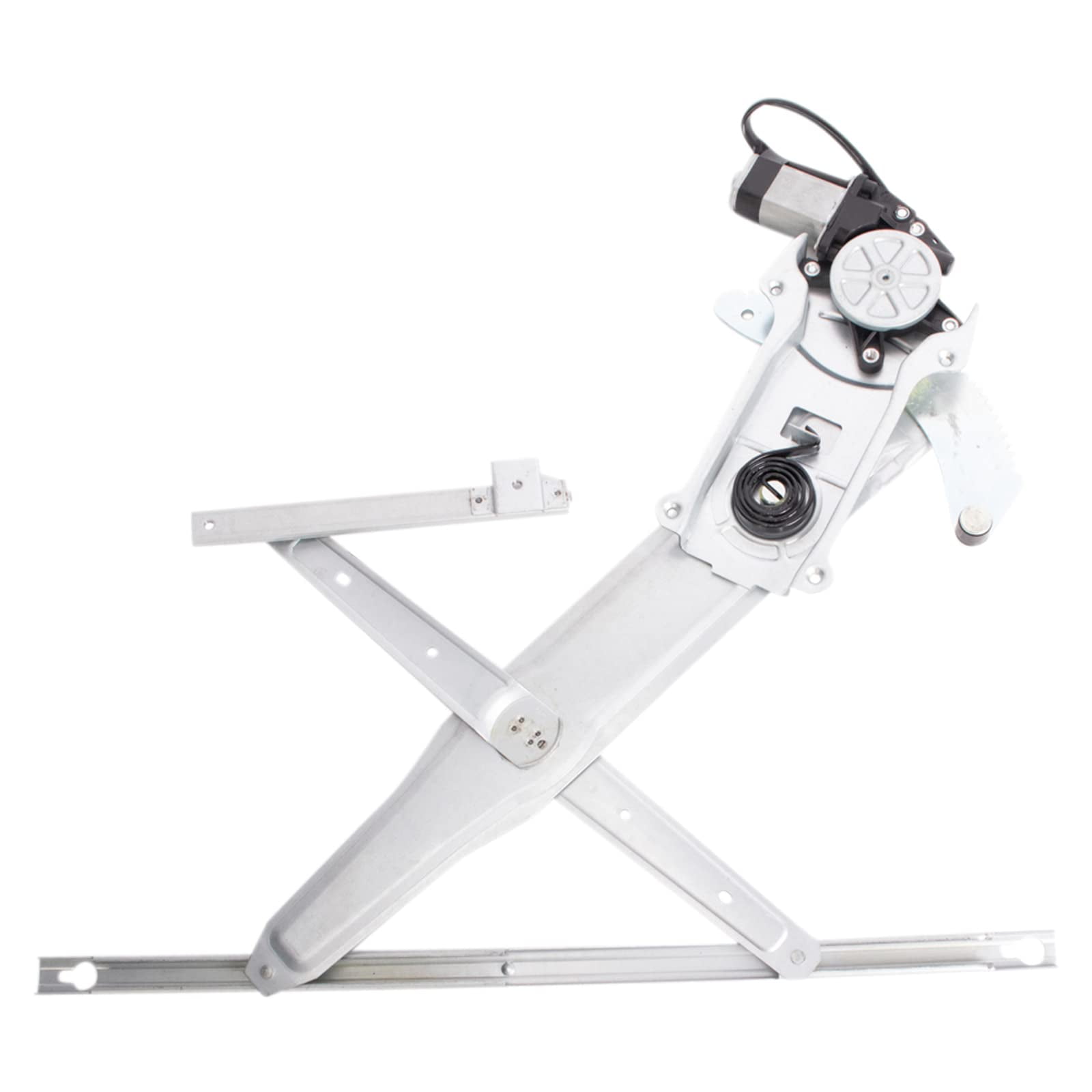
The window regulator is a device inside your door that moves the window glass up and down. Most modern Grand Cherokees use a cable-driven or scissor-type regulator powered by an electric motor. Over time, the cables can snap, the plastic parts can break, or the motor can burn out.
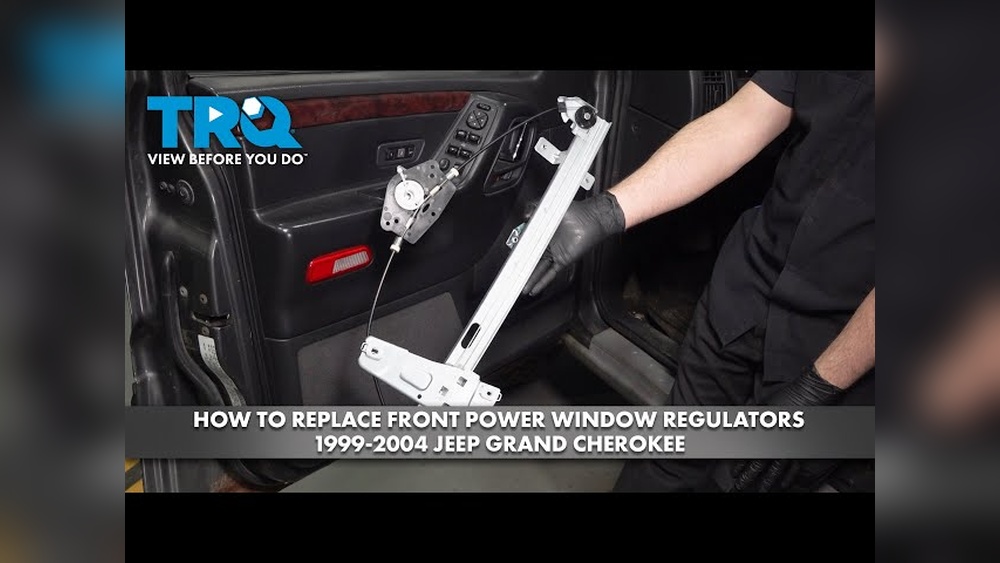
Common reasons for failure include:
- Worn cables: The steel cable can fray or snap with age.
- Broken clips: Plastic clips holding the glass can crack.
- Motor failure: The electric motor can wear out, especially with frequent use.
- Water damage: Leaks or moisture inside the door can cause rust or short circuits.
Signs Your Jeep Grand Cherokee Window Regulator Is Bad
Spotting regulator problems early can save you time and money. Look for these signs:
- Window won’t move: The glass is stuck, either up or down.
- Grinding noise: You hear clicking or grinding when pressing the switch.
- Window falls down: The glass slides down by itself and won’t stay up.
- Uneven movement: The window tilts or moves slowly.
If you notice any of these, it’s likely time for a repair.
Diy Window Regulator Repair: Step-by-step
You can fix a window regulator on most Jeep Grand Cherokee models (1999–present) with basic tools and patience. Here’s how to do it:
Tools And Materials Needed
- New window regulator (check your model year)
- Screwdriver set (Phillips and flathead)
- Socket wrench set
- Trim removal tool or flat plastic spatula
- Work gloves
- Tape (painter’s or masking tape)
- Small flashlight
Step 1: Remove The Door Panel
- Lower the window (if possible) for easier access.
- Disconnect the car battery to avoid electrical shocks.
- Use a screwdriver to remove visible screws (often near the door handle and armrest).
- Use a trim tool to gently pry the panel away from the door frame.
- Unplug any electrical connectors (for windows, speakers, or locks).
- Set the panel aside.
Step 2: Access The Regulator
- Peel back the plastic moisture barrier inside the door.
- Locate the window glass and secure it with tape to the top of the door frame.
- Find the regulator and motor assembly (usually attached with bolts).
Step 3: Remove The Broken Regulator
- Use a socket wrench to remove bolts holding the regulator and motor.
- Disconnect the window glass from the regulator (often two bolts or clips).
- Carefully remove the entire regulator assembly through the access hole.
Step 4: Install The New Regulator
- Slide the new regulator into place and attach it with bolts.
- Reconnect the glass to the new regulator.
- Plug in the motor and test the window (reconnect the battery) before reassembling.
- Reverse steps to reattach the moisture barrier and door panel.
Step 5: Final Checks
Make sure the window moves smoothly. Listen for any grinding or sticking.
If everything works, tighten all screws and clips.
Non-obvious tip: Always test the window before fully reattaching the door panel. It’s much easier to fix mistakes at this stage.
Cost Of Window Regulator Repair
The cost can vary depending on your Jeep’s year, labor rates, and if you use original or aftermarket parts. Here’s a general comparison:
| Repair Option | Parts Cost (USD) | Labor Cost (USD) | Total (USD) |
|---|---|---|---|
| DIY (Aftermarket) | $40–$80 | $0 | $40–$80 |
| Mechanic (OEM Parts) | $120–$250 | $100–$180 | $220–$430 |
| Dealership | $180–$350 | $150–$250 | $330–$600 |
Experience-based insight: Aftermarket regulators are often just as reliable as original parts but cost much less.
Choosing The Right Window Regulator
Not all regulators fit all Grand Cherokee models. Here’s what you need to check before buying:
| Model Year | Front/Rear Door | Type | Notes |
|---|---|---|---|
| 1999–2004 (WJ) | Front & Rear | Cable | Common failures in rear doors |
| 2005–2010 (WK) | Front | Scissor | Motor often sold separately |
| 2011–2026 (WK2) | Front & Rear | Cable | Motors usually included |
| 2026+ (WL) | Front | Cable | Check for updated part numbers |
Straight-to-the-point advice: Always match your VIN and door position when ordering to avoid returns.
When To See A Professional
DIY is not for everyone. If you feel unsure or lack tools, a mechanic or dealership can do the job safely.
Also, if your window glass is shattered or the door electronics are acting up, it’s best to get expert help.
Preventing Future Regulator Issues
You can extend the life of your regulator with a few simple habits:
- Avoid slamming doors, which can stress the regulator.
- Don’t operate windows when they’re frozen shut.
- Use silicone spray to lubricate window tracks every 6–12 months.
Small steps like these can help avoid another repair down the road.
Frequently Asked Questions