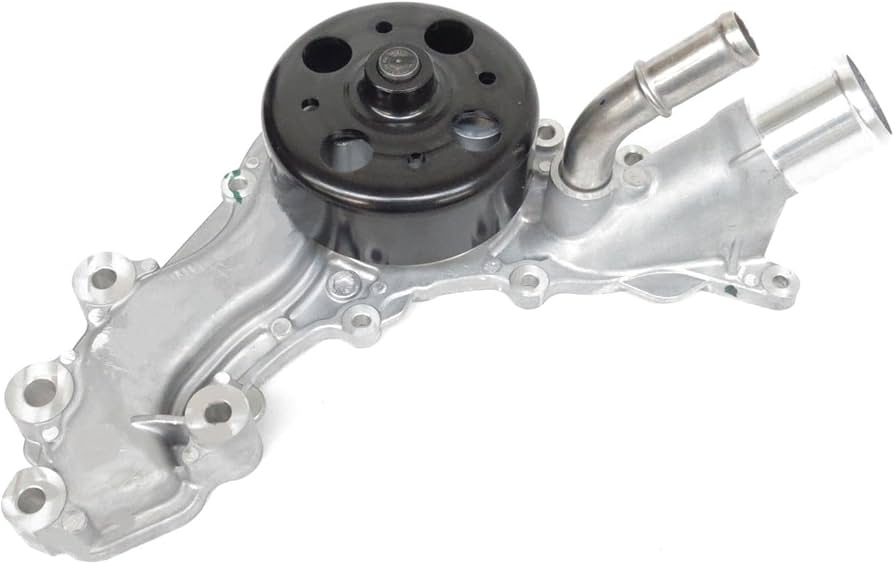
If your Jeep Grand Cherokee is running hot or leaking coolant, the water pump may be the culprit. A failing water pump can quickly turn a smooth drive into an overheating nightmare.
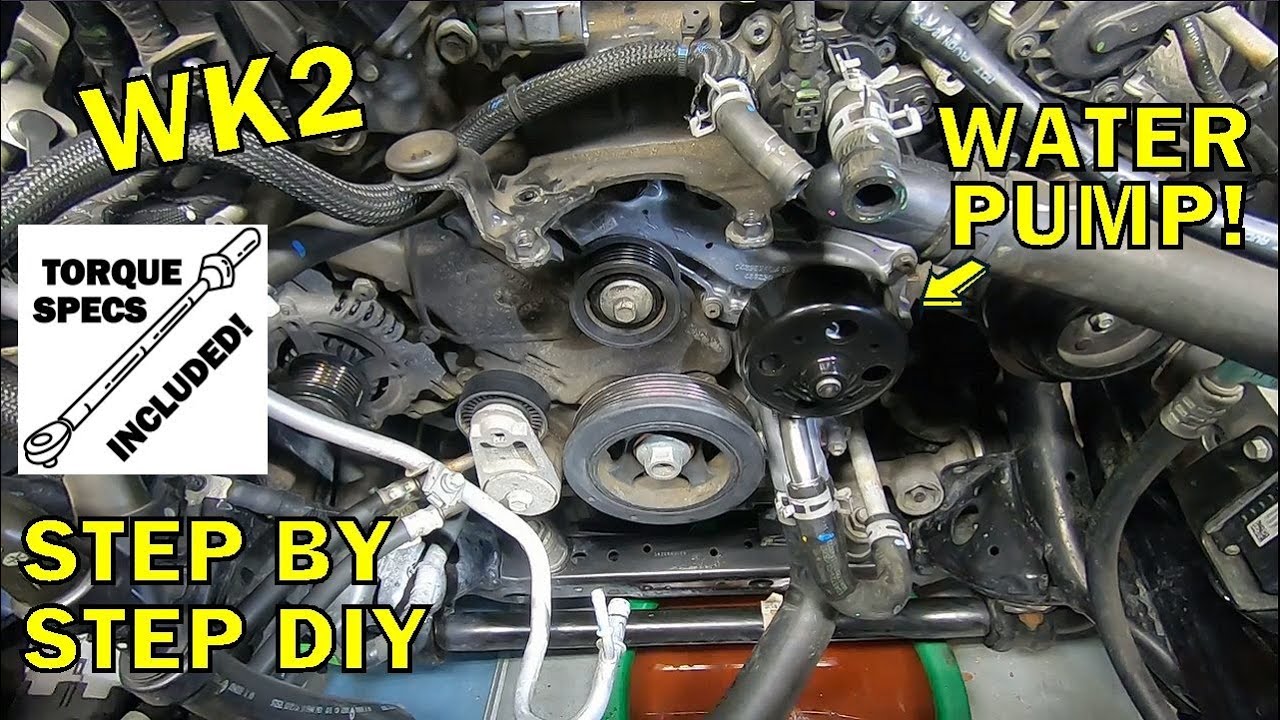
Luckily, replacing the water pump is a manageable job with the right tools, some patience, and a clear understanding of the process. This guide will walk you through everything you need to know about Jeep Grand Cherokee water pump replacement—from symptoms and costs to a step-by-step DIY approach.
Why The Water Pump Matters
The water pump is central to your Jeep’s cooling system. It circulates coolant from the radiator through the engine, absorbing and carrying heat away. When it fails, your engine can overheat, leading to expensive damage. Most water pumps last about 60,000 to 90,000 miles, but factors like driving conditions and coolant quality can affect lifespan.
Signs Your Water Pump Needs Replacement
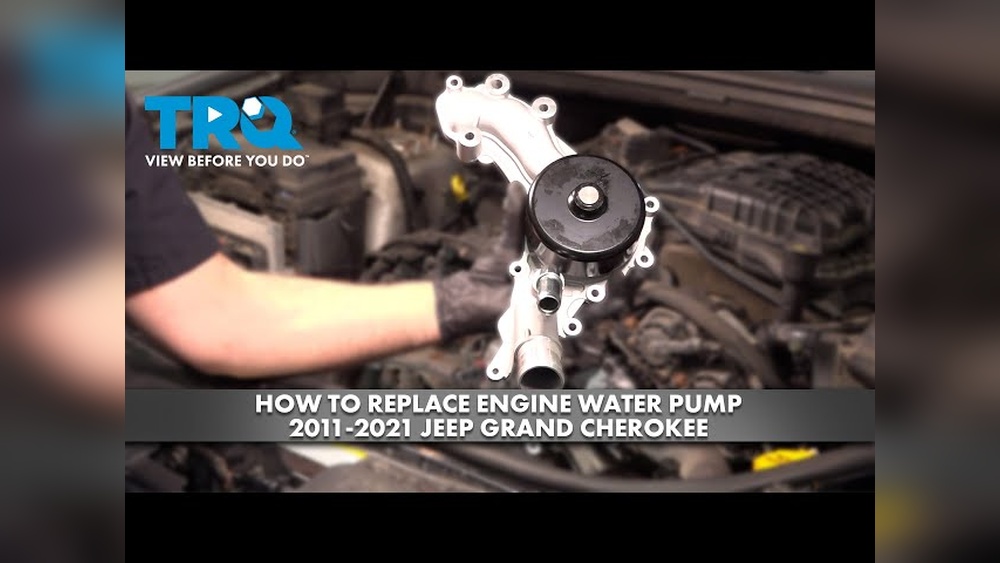
Spotting early signs of failure can save you from bigger problems. Watch for:
- Coolant leaks under the front of your Jeep.
- Engine overheating, especially during stops or slow driving.
- Whining or grinding noises from the front of the engine.
- Steam coming from under the hood.
- Rust or corrosion on the pump or nearby components.
If you notice these symptoms, act quickly. Delaying a replacement may result in engine damage.
Cost Of Water Pump Replacement
Costs vary depending on your Jeep’s model year and engine size. Here’s a quick comparison:
| Model Year | Engine Type | Estimated Parts Cost | Estimated Labor Cost | Total Estimated Cost |
|---|---|---|---|---|
| 2014-2026 | 3.6L V6 | $60-$120 | $200-$350 | $260-$470 |
| 2011-2013 | 5.7L V8 | $80-$140 | $250-$400 | $330-$540 |
| 2005-2010 | 4.7L V8 | $50-$100 | $180-$320 | $230-$420 |
Labor costs are higher if your Jeep has a larger engine or complex accessories. If you’re comfortable with tools, DIY can save you hundreds.
Tools And Parts You’ll Need
Before starting, gather these essentials:
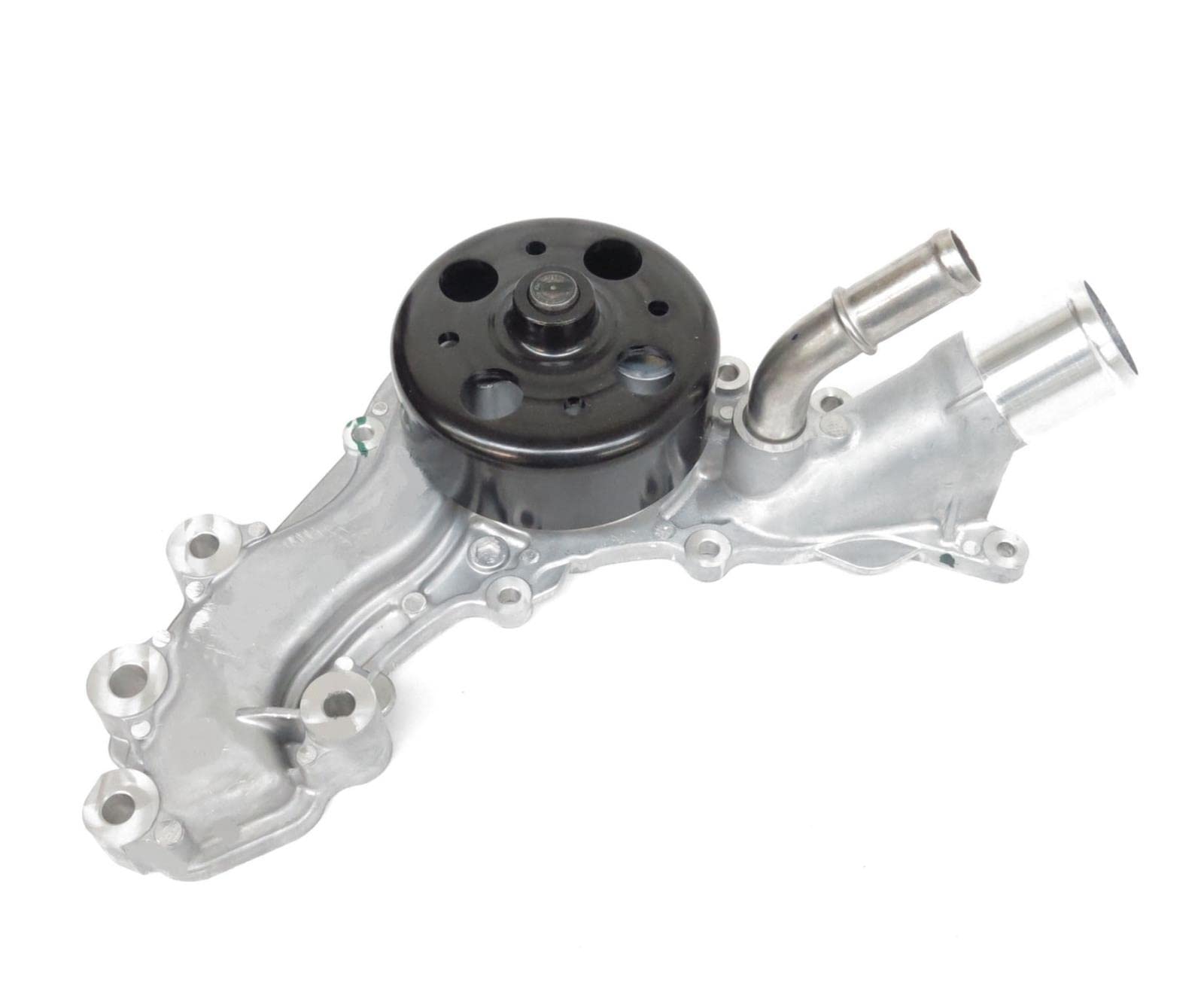
- New water pump (check for your exact engine)
- Coolant (usually 2-3 gallons)
- Gasket or sealant (often included with new pumps)
- Socket set and wrenches
- Drain pan
- Screwdrivers
- Pliers
- Torque wrench
- Clean rags
Some Grand Cherokees require special pulley removal tools. Always check your Jeep’s manual before starting.
Step-by-step Water Pump Replacement
1. Preparation And Safety
- Park on a flat surface and let the engine cool fully.
- Disconnect the negative battery cable.
- Place the drain pan under the radiator and open the drain plug to remove old coolant.
2. Remove Components
- Remove the engine cover if present.
- Loosen and remove the serpentine belt from the water pump pulley.
- Disconnect any hoses connected to the water pump. Label them for easy reinstallation.
- Remove bolts holding the water pump in place.
3. Take Out The Old Water Pump
- Gently wiggle and pull the pump away from the engine.
- Be prepared for more coolant to drain.
- Clean the mounting surface with a rag and scraper, removing old gasket material.
4. Install The New Water Pump
- Place the new gasket or apply sealant as required.
- Position the new water pump and hand-tighten the bolts.
- Use a torque wrench to tighten bolts to the manufacturer’s recommended specification.
5. Reassemble And Refill
- Reconnect hoses and reinstall the serpentine belt.
- Reinstall the engine cover and reconnect the battery.
- Fill the cooling system with fresh coolant.
6. Bleed The Cooling System
- Start the engine and let it reach operating temperature with the radiator cap off.
- Watch for air bubbles, which indicate trapped air leaving the system.
- Top off coolant as needed, then close the cap.
Here’s a simple summary of the main steps:
| Step | Action | Tip |
|---|---|---|
| 1 | Drain coolant | Let the engine cool first |
| 2 | Remove belt & hoses | Label hoses for reassembly |
| 3 | Unbolt old pump | Have extra rags handy |
| 4 | Install new pump | Use correct torque |
| 5 | Refill & bleed coolant | Check for leaks |
Common Mistakes To Avoid
Beginners sometimes:
- Forget to bleed the system, trapping air and causing overheating.
- Reuse old gaskets, leading to leaks. Always use a new gasket.
- Overtighten bolts, risking cracks. Always use a torque wrench.
- Ignore small leaks, thinking they’ll stop. Address them immediately.
Diy Vs. Professional Replacement
Replacing a water pump at home is possible for those with mechanical experience. If you’re unsure, or if you lack the right tools, a professional mechanic is a safer choice.
Modern Jeeps may have tight engine bays or extra accessories that make the job harder.
How To Make Your New Water Pump Last
- Use the correct coolant mix for your Grand Cherokee.
- Flush the cooling system every 60,000 miles.
- Inspect belts and hoses during each oil change.
- Don’t ignore small leaks—fix them before they grow.
Many drivers overlook the importance of properly bleeding the system and checking for leaks after installation. These steps prevent hidden problems down the road.
When To Replace The Thermostat
Often, it’s smart to replace the thermostat when doing the water pump. Both parts age similarly, and a stuck thermostat can mimic pump failure symptoms. This is an extra cost but adds peace of mind.
Frequently Asked Questions