The Jeep Grand Cherokee is known for its strong off-road capabilities and comfortable ride. One part that keeps this SUV running smoothly is the transmission system.
To keep your Grand Cherokee shifting gears without issues, you need to know the right transmission fluid capacity for your model. Using too much or too little fluid can cause problems, so it’s important to get this detail right.
This guide will help you understand the transmission fluid capacity for different Jeep Grand Cherokee models, why it matters, how to check and change the fluid, and what mistakes to avoid. Whether you’re a DIY car owner or just want to be informed, the information here will help you keep your Grand Cherokee’s transmission in good shape.
Why Transmission Fluid Capacity Matters
Transmission fluid does more than just lubricate moving parts. It also helps to cool the transmission, reduce friction, and transfer power. If you use the wrong amount, several problems can occur:
- Too little fluid: This can lead to overheating and increased wear, which may result in expensive repairs.
- Too much fluid: This can cause foaming, erratic shifting, or even damage the transmission seals.
Knowing the correct transmission fluid capacity for your specific Grand Cherokee is essential for reliability and long-term performance.
Jeep Grand Cherokee Transmission Fluid Capacities By Model Year
The fluid capacity depends on the type of transmission and the model year. Jeep Grand Cherokees have used several different transmissions over the years. Here’s a look at the most common ones:
| Model Year | Transmission Type | Fluid Capacity (quarts) |
|---|---|---|
| 1999–2004 | 42RE/545RFE (Automatic) | 4.0–8.7 |
| 2005–2010 | 545RFE/722.6 (Automatic) | 5.5–8.8 |
| 2011–2013 | W5A580/NAG1 | 5.3–8.8 |
| 2014–2026 | 8HP70/8HP45 | 8.5–9.0 |
| 2026–Present | 8HP75/850RE | 8.4–9.7 |
Note: The lower number refers to a basic fluid change (pan drop), while the higher number is for a full flush or rebuild.
How To Check Your Transmission Fluid
Checking your transmission fluid level is easy on most Jeep Grand Cherokees:
- Park on a level surface and let the engine warm up.
- Shift through all gears, then return to Park.
- Open the hood and find the transmission dipstick (on some newer models, there is no dipstick; fluid must be checked by a mechanic).
- Wipe the dipstick clean, insert it fully, then pull it out to check the level.
- The fluid should be in the “HOT” range with the engine running.
If your Grand Cherokee does not have a dipstick, it’s best to let a professional handle the check, as overfilling or underfilling can damage the transmission.
Choosing The Right Transmission Fluid
Jeep transmissions require specific fluids. Using the wrong type can cause shifting problems or even void your warranty. Here’s a quick comparison for some common types:
| Transmission | Recommended Fluid | Notes |
|---|---|---|
| 42RE, 545RFE | ATF+4 | Fully synthetic, Chrysler spec |
| W5A580/NAG1 | Shell 134/Mopar ATF+4 | Do not mix with Dexron |
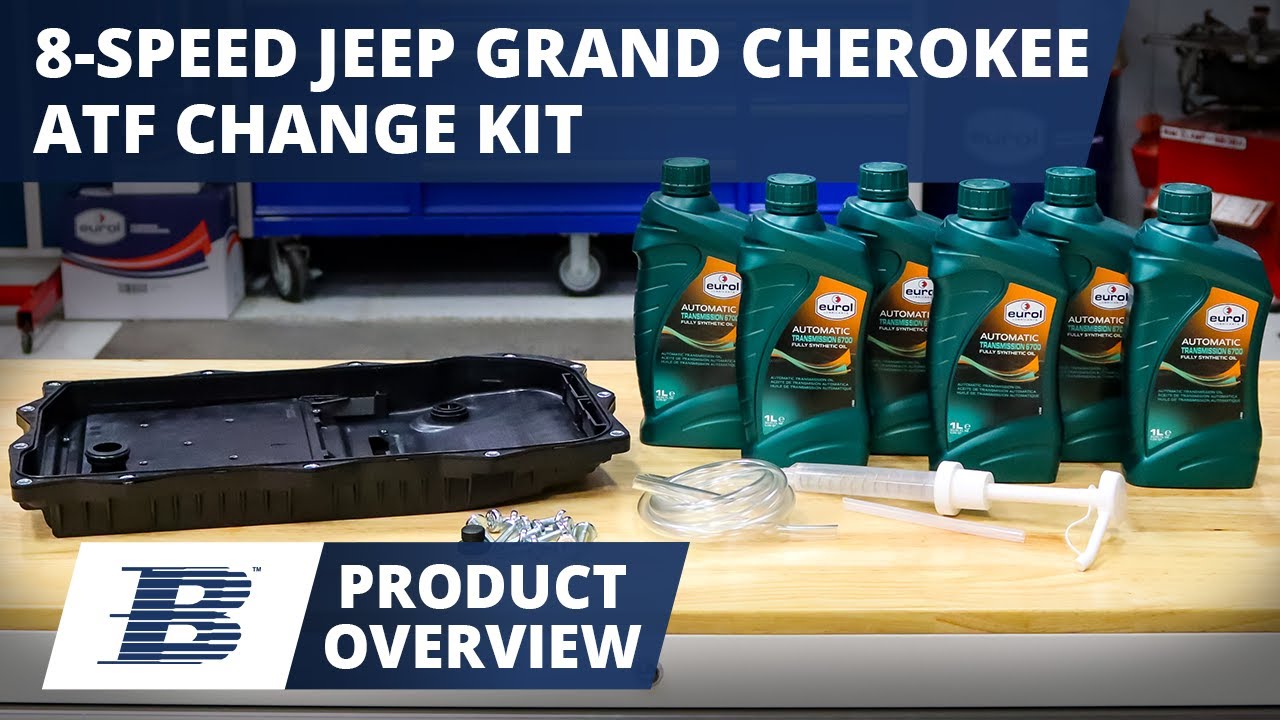
| 8HP70/8HP75 | Mopar 8 & 9 Speed ATF | ZF-Lifeguard 8 (for ZF transmissions) |
Always check your owner’s manual or the label under the hood for your specific model. Some fluids are not compatible with others, and even a small mistake can be costly.

Steps To Change Transmission Fluid In A Jeep Grand Cherokee
If you want to change your own transmission fluid, follow these general steps. The process may vary by model, so check your service manual for details.
- Lift the vehicle safely and support it with jack stands.
- Place a drain pan under the transmission.
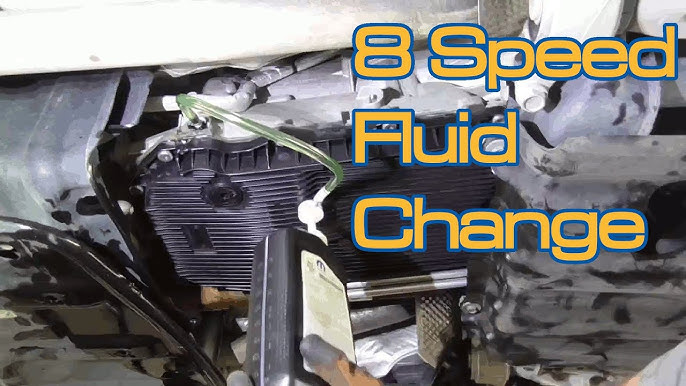
- Remove the transmission pan bolts and drain old fluid.
- Remove the pan and replace the transmission filter (if equipped).
- Clean the pan and install a new gasket.
- Reinstall the pan and bolts.
- Refill with the correct amount of new fluid, using the proper type.
- Start the engine, check for leaks, and recheck the fluid level.
Most DIYers miss one important detail: always measure how much fluid you remove. This helps you avoid overfilling when you add new fluid.
How Often Should You Change Transmission Fluid?
Most Jeep Grand Cherokees need a transmission fluid change every 60,000 to 100,000 miles under normal driving. For heavy towing or off-road use, consider changing it every 30,000 to 50,000 miles. Dirty fluid or a burnt smell means it’s time for service, even if you haven’t reached the mileage limit.
Signs Of Low Or Old Transmission Fluid
Watch for these warning signs:
- Rough or delayed shifting
- Slipping gears
- Unusual noises or whining
- Fluid leaks under the vehicle
If you notice any of these, check your fluid right away or visit a mechanic.
Common Mistakes When Handling Transmission Fluid
Even experienced owners sometimes make these errors:
- Using the wrong fluid type
- Overfilling or underfilling
- Not replacing the filter
- Ignoring leaks or warning signs
Another overlooked tip: always use a clean funnel and avoid getting dirt into the transmission. Small debris can cause big problems.