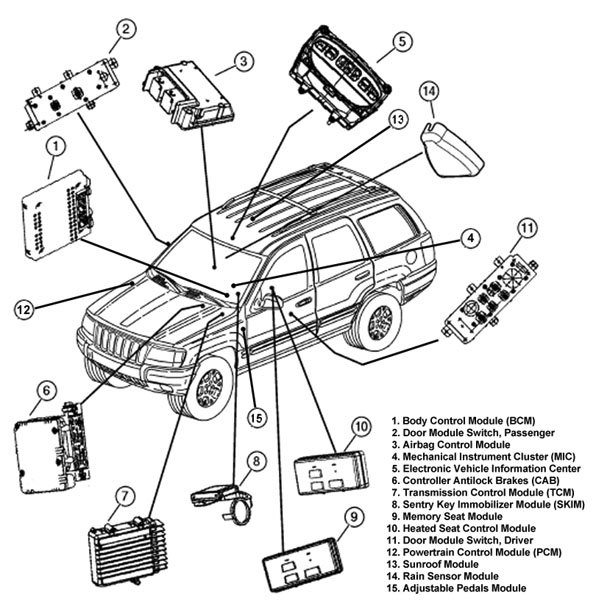
The Jeep Grand Cherokee is known for its rugged build and versatility, but one part many owners rarely think about is the Transmission Control Module (TCM). This small yet vital component controls how your vehicle shifts gears, affecting performance, fuel economy, and reliability. If you’re having shifting problems or transmission warning lights, the TCM may be the culprit. Understanding the TCM—what it does, symptoms of failure, and how to address issues—can save you time, money, and headaches.
What Is The Transmission Control Module?
The Transmission Control Module is an electronic brain for your Jeep’s automatic transmission. It communicates with sensors and the engine control unit (ECU) to determine the best time to shift gears. The TCM ensures smooth gear changes, manages gear ratios, and protects the transmission from damage.
For example, if you’re driving up a hill, the TCM may hold a lower gear for more power. If you’re cruising on the highway, it’ll shift to a higher gear for better fuel efficiency.
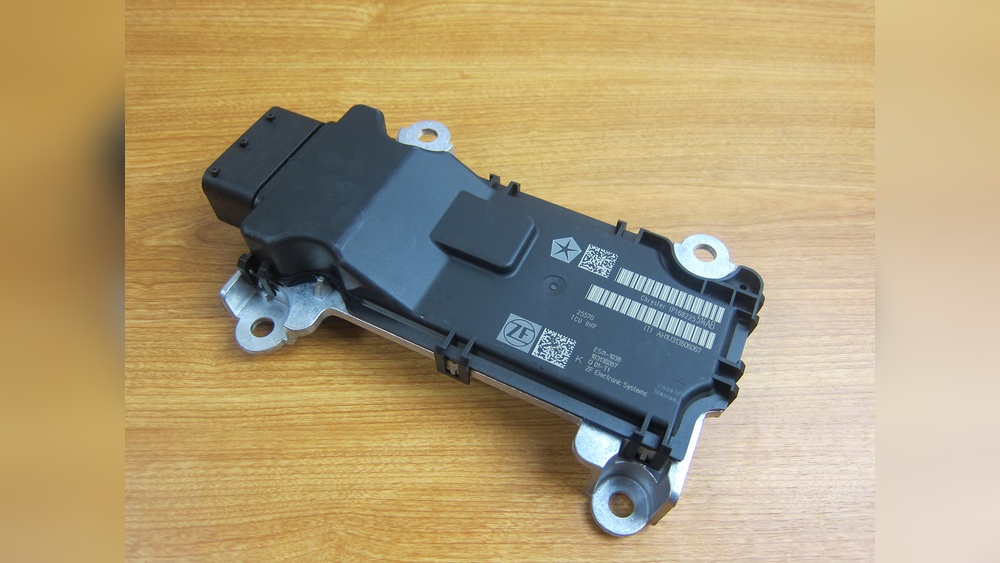
In modern Grand Cherokees, the TCM works closely with other vehicle systems for optimal performance.
How The Tcm Works In A Jeep Grand Cherokee
The TCM receives input from several sensors:
- Throttle position sensor
- Vehicle speed sensor
- Transmission fluid temperature sensor
- Brake pedal sensor
Using this data, the TCM sends signals to control solenoids and hydraulic circuits inside the transmission. These solenoids open or close to direct fluid, causing the transmission to shift gears.
Here’s a quick comparison showing how TCMs interact in recent Jeep Grand Cherokee models:
| Model Year | TCM Location | Transmission Type | Communication |
|---|---|---|---|
| 2011-2013 | Under hood | 5-speed automatic | CAN bus |
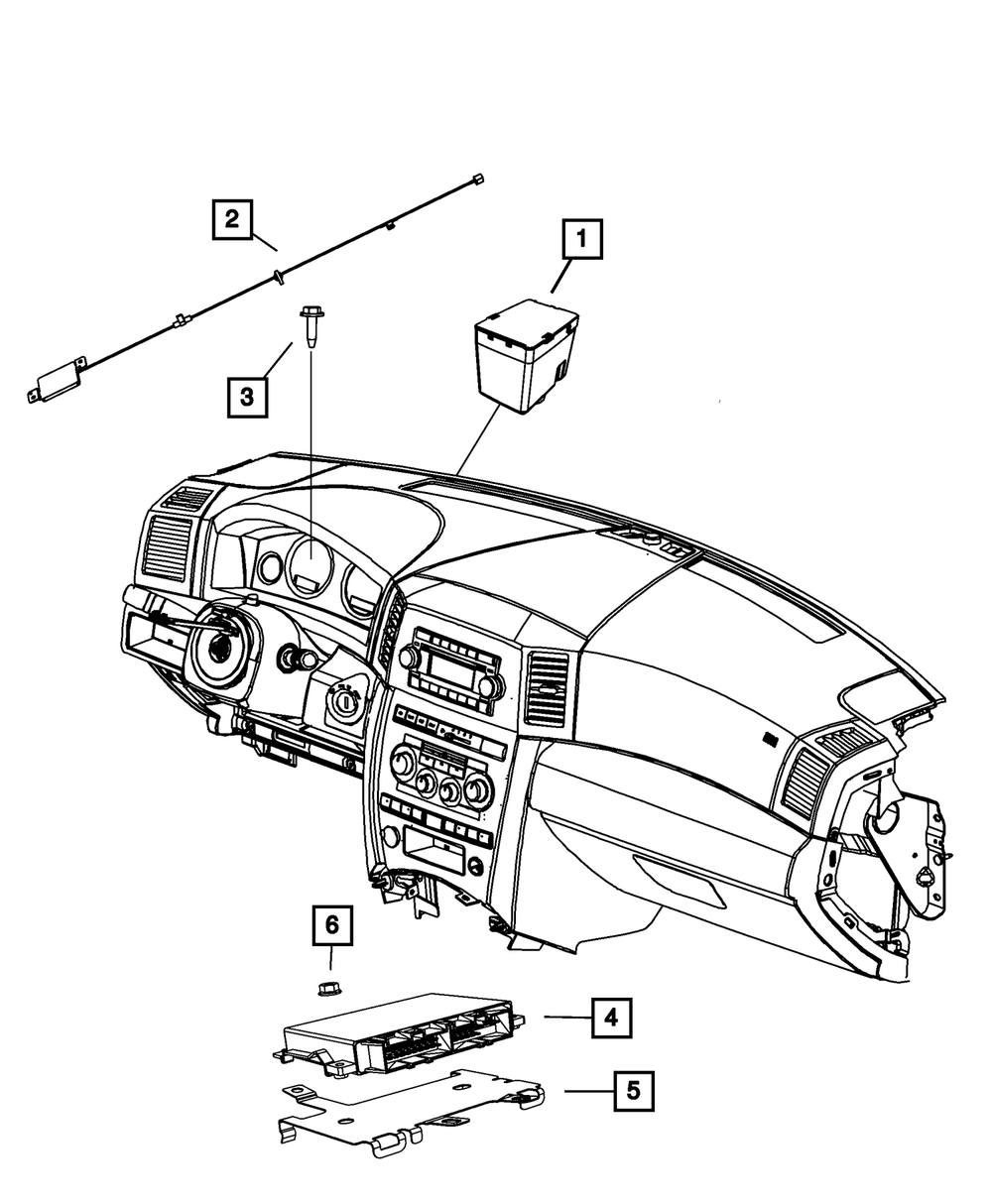
| 2014-2018 | Under center console | 8-speed automatic | CAN bus |
| 2019-present | Integrated with ECU | 8-speed automatic | CAN bus + diagnostics |

Signs Of A Failing Transmission Control Module
When the TCM starts to fail, your Jeep Grand Cherokee can show several warning signs. Some symptoms are obvious, while others are easy to miss until major problems occur.
- Erratic shifting – Hard, delayed, or missed gear changes.
- Transmission stuck in one gear – Often called “limp mode,” the transmission may only use second or third gear.
- Warning lights – The check engine or transmission warning light comes on.
- Poor fuel economy – Shifting at the wrong times can waste gas.
- Harsh downshifts or upshifts – Noticeable jerks during gear changes.
A less obvious sign is random loss of communication with the TCM, which can cause intermittent issues. Another overlooked symptom is inconsistent speedometer readings, as the TCM interacts with speed sensors.
Diagnosing Tcm Problems
Modern vehicles use diagnostic codes to identify problems. If your Grand Cherokee displays warning lights, a mechanic can use an OBD-II scanner to read TCM-related codes. Common codes include P0700 (transmission control system fault) and others specific to Jeep.
Here’s a table summarizing common diagnostic codes and their meanings:
| Code | Description | Likely Cause |
|---|---|---|
| P0700 | Transmission Control System Malfunction | General TCM fault |
| P0750 | Shift Solenoid A Malfunction | Solenoid or wiring issue |
| P0730 | Incorrect Gear Ratio | TCM or mechanical failure |
It’s important to confirm if the issue is truly the TCM. Sometimes, wiring problems or sensor failures can mimic TCM faults.
An experienced technician can perform tests to be sure.
Replacing Or Repairing The Tcm
If the TCM is faulty, you have two main options: repair or replace.
- Repair: In some cases, the module can be reprogrammed or repaired by a specialist. This is often cheaper but depends on the nature of the failure.
- Replace: If the TCM is badly damaged, replacement is usually the best solution. Costs can range from $400 to $1,000 for parts and labor.
After replacing the TCM, it often needs to be programmed to match your vehicle. This process may require specialized tools. Attempting to drive with a faulty TCM can lead to transmission damage and higher repair bills.
Tips For Preventing Tcm Issues
- Keep transmission fluid clean – Dirty or low fluid can stress the TCM.
- Avoid aggressive driving – Hard shifts put extra load on transmission electronics.
- Address warning lights quickly – Ignoring small problems can lead to bigger ones.
- Use the right parts – Always use recommended fluids and genuine replacement modules.
One insight many owners miss: Moisture can damage the TCM, especially in older Grand Cherokees where the module is exposed. Checking for leaks and ensuring proper seals can prevent future failures.
Another tip: Software updates released by Jeep can improve TCM performance or fix bugs. Ask your dealer if your vehicle is eligible for an update.
Frequently Asked Questions
What Does The Tcm Do In The Jeep Grand Cherokee?
The Transmission Control Module manages gear shifts by processing signals from sensors and sending commands to the transmission. It optimizes shifting for performance, efficiency, and durability.
Can I Drive My Grand Cherokee With A Bad Tcm?
It’s not recommended. Driving with a faulty TCM can cause harsh shifting, poor performance, and even permanent transmission damage.
How Much Does It Cost To Replace A Tcm?
Replacement costs range from $400 to $1,000, depending on model year, labor rates, and whether programming is needed.
Can I Reprogram The Tcm Myself?
In most cases, no. Reprogramming requires specialized equipment and software.
It’s best handled by a dealership or transmission specialist.
Where Can I Learn More About Tcms And Vehicle Electronics?
A good place to start is the Wikipedia page on transmission control units, which explains the technical background and evolution of these systems.
Understanding your Jeep Grand Cherokee’s Transmission Control Module can help you spot issues early and make informed repair decisions. With the right care, your TCM will keep your Jeep running smoothly for years to come.