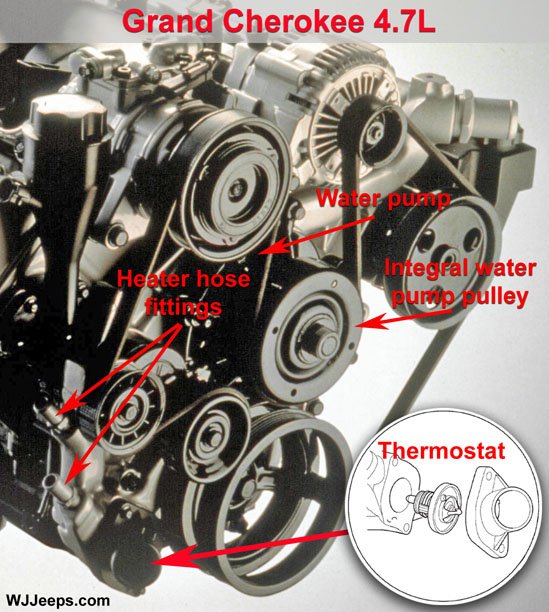
The Jeep Grand Cherokee is known for its strong performance and reliability. However, even the best vehicles need maintenance, and one common issue is the thermostat.
When the thermostat fails, your engine can overheat or run too cool, causing problems with performance and fuel economy. Replacing the thermostat may seem complex, but with the right guidance and tools, you can handle it yourself or know what to expect at a repair shop.
This article explains everything you need to know about Jeep Grand Cherokee thermostat replacement, including signs of failure, step-by-step instructions, cost comparisons, and practical tips.
Why The Thermostat Matters
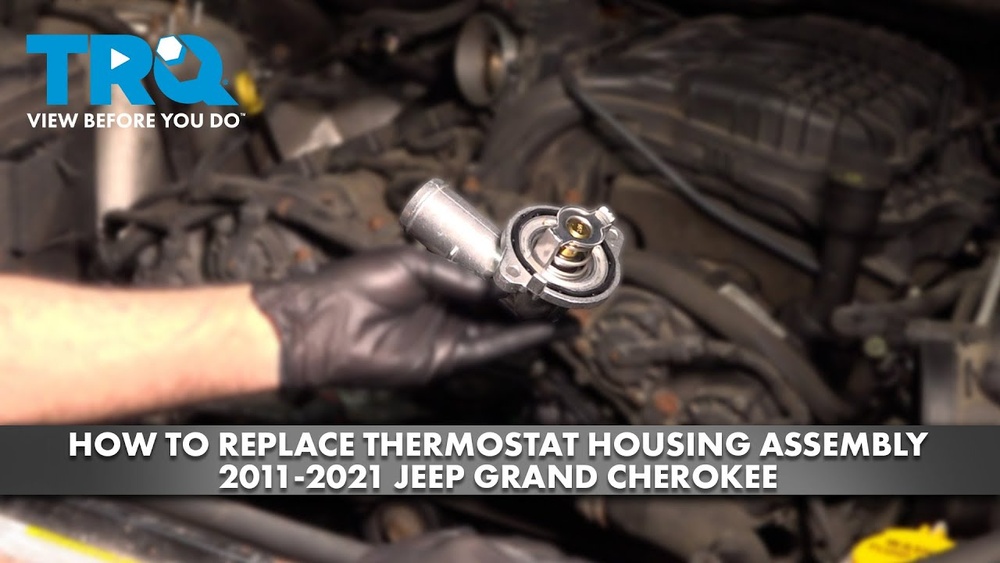
The thermostat controls how much coolant flows through your engine, keeping it at the right temperature. If it gets stuck open or closed, the engine may overheat or not warm up properly. A faulty thermostat can also trigger warning lights, reduce gas mileage, and lead to expensive repairs.
Quick stats:
- Average lifespan: 60,000–100,000 miles
- Replacement cost: $150–$300 (parts + labor)
- Overheating can cause engine damage costing $2,000+
Signs Your Thermostat Needs Replacement
Recognizing symptoms early can prevent bigger problems:
- Engine overheating: The temperature gauge rises quickly.
- Coolant leaks: Visible puddles under the vehicle.
- Poor heater performance: Cabin doesn’t warm up.
- Erratic temperature gauge: Fluctuating readings.
- Check engine light: Codes related to temperature control.
Many owners ignore these signs, but acting fast saves money and hassle. Newer Grand Cherokees often display clear dashboard alerts, but older models may only show subtle temperature changes.
Preparing For Thermostat Replacement
Before starting, gather these tools:
- Socket wrench set
- Screwdriver
- Drain pan
- New thermostat (OEM recommended)
- Gasket or O-ring
- Coolant
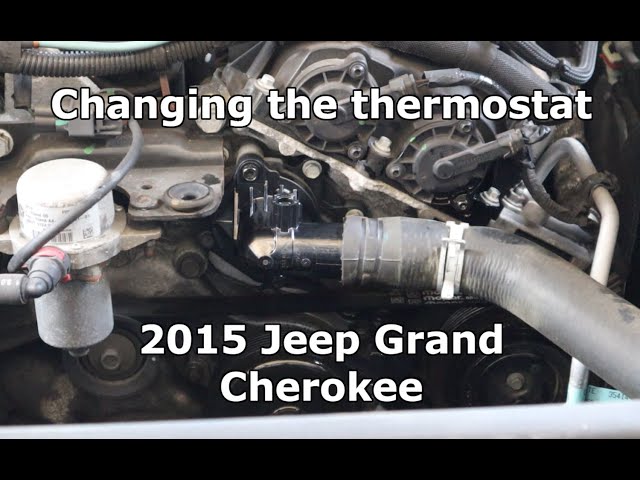
Check your owner’s manual for exact specs and location. Most Jeep Grand Cherokee thermostats are near the engine block, connected to the upper radiator hose.
Pro tip: Always buy the correct thermostat for your model year. Using the wrong type can cause cooling issues.
| Model Year | Thermostat Type | Recommended Temperature |
|---|---|---|
| 2011–2018 | Integrated housing | 203°F (95°C) |
| 2005–2010 | Standard | 195°F (90°C) |
| 1999–2004 | Standard | 195°F (90°C) |
Step-by-step Replacement Guide
Changing the thermostat doesn’t require advanced skills, but follow each step carefully:
- Cool the engine: Never work on a hot engine. Wait at least 1 hour.
- Drain coolant: Place a drain pan under the radiator. Open the drain plug to release coolant.
- Remove the radiator hose: Loosen the clamp and detach the upper hose.
- Locate and remove thermostat housing: Unscrew bolts holding the housing.
- Take out the old thermostat: Note the orientation for correct installation.
- Clean surfaces: Remove old gasket material from the housing and engine.
- Install new thermostat and gasket: Place the thermostat in the same position. Attach the gasket or O-ring.
- Reattach housing and hose: Tighten bolts evenly. Connect the hose and secure the clamp.
- Refill coolant: Fill the radiator with new or filtered coolant.
- Check for leaks and test: Start the engine and let it reach normal temperature. Watch for leaks and monitor the temperature gauge.
Expert insight: Many beginners forget to bleed air from the cooling system, which can cause overheating. Always follow your manual’s instructions for air removal.
Replacement Cost Comparison
Prices vary by model, part quality, and whether you do it yourself or use a mechanic.
| Replacement Option | Parts Cost | Labor Cost | Total Estimate |
|---|---|---|---|
| DIY | $25–$60 | $0 | $25–$60 |
| Independent shop | $35–$90 | $90–$150 | $125–$240 |
| Dealership | $40–$120 | $120–$180 | $160–$300 |
Non-obvious tip: If your Jeep is under warranty, always check coverage before paying for repairs.
Common Mistakes And How To Avoid Them
Replacing a thermostat is straightforward, but many owners make avoidable errors:
- Skipping gasket replacement: Old gaskets may leak, so always use a new one.
- Over-tightening bolts: This can crack the housing. Tighten to manufacturer specs.
- Using old coolant: Fresh coolant prevents rust and improves performance.
- Ignoring air pockets: Trapped air causes temperature spikes.
If you’re unsure, watch a video tutorial or ask a mechanic. Some Jeep models have tight spaces, so patience and the right tools make the job easier.
| Error | Consequence | Prevention |
|---|---|---|
| Incorrect thermostat orientation | Poor cooling | Match old part’s position |
| Using wrong temperature rating | Engine runs too hot/cold | Check manual |
| Incomplete air bleeding | Overheating | Follow manual steps |
Practical Tips For Long-term Reliability
- Use OEM parts for best fit and durability.
- Change coolant every 2–3 years to prevent corrosion.
- Inspect hoses and radiator for leaks after replacement.
- Keep a log of maintenance for resale value.
- Test the heater to confirm proper function.
For more technical details, visit the official Jeep service guide at Jeep.com.
Frequently Asked Questions
How Often Should I Replace The Thermostat In My Jeep Grand Cherokee?
Most thermostats last 60,000–100,000 miles. Replace if you notice overheating, erratic temperature, or during major coolant service.
Can I Drive With A Faulty Thermostat?
It’s risky. A stuck thermostat can cause overheating or poor engine performance. Driving too long may damage the engine.
What Type Of Coolant Should I Use After Replacing The Thermostat?
Always use manufacturer-recommended coolant. For most Grand Cherokees, it’s HOAT or OAT coolant. Check your manual for specifics.
Is It Cheaper To Do The Thermostat Replacement Myself?
Yes. DIY replacement can cost $25–$60. Professional service ranges from $125–$300 depending on labor rates.
Will Replacing The Thermostat Fix Heater Problems?
In many cases, yes. If the heater doesn’t work well, a faulty thermostat may be the cause. If problems continue, check the heater core and coolant level.
Replacing the thermostat on your Jeep Grand Cherokee is a smart maintenance task. It keeps your engine healthy, improves fuel efficiency, and prevents costly repairs.
With careful preparation and attention to detail, you can complete the job confidently—whether you do it yourself or rely on a professional.