Hearing a squeaking noise when driving your Jeep Grand Cherokee can be both annoying and worrying. The sound may come and go, get louder over bumps, or change as you turn or brake.
Ignoring these noises can lead to bigger problems and expensive repairs. Understanding what causes the squeaking and how to fix it can save you money and keep your SUV safe on the road.
Common Causes Of Squeaking In Jeep Grand Cherokee
Many owners report squeaking sounds at different speeds or when turning the steering wheel. The most frequent causes include:
- Worn Brake Pads: The brake system is the most common source of squeaks. When pads wear down, a metal indicator touches the rotor, creating a sharp squeal.
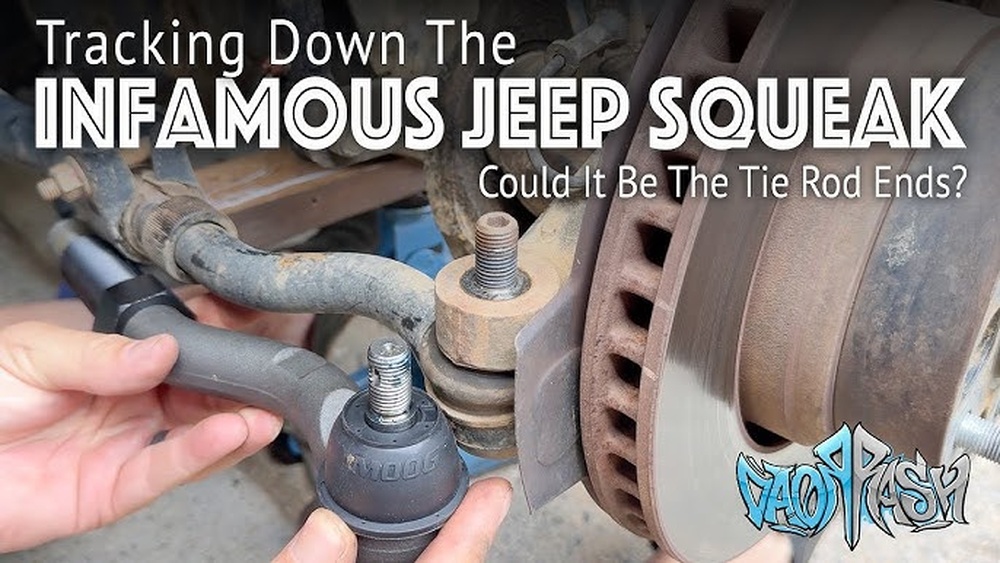
- Suspension Issues: Worn or dry control arm bushings, ball joints, or sway bar links often squeak over bumps or rough roads.
- Wheel Bearings: A failing wheel bearing can make a squeaking or growling sound, especially at higher speeds.
- Drive Belt or Pulley Problems: An old or loose serpentine belt can squeak, especially on cold starts or when accelerating.
- Door or Hatch Hinges: Sometimes, the sound is external—dry hinges or weatherstripping can squeak as the Jeep flexes.
- Rocks or Debris: Small stones trapped between the brake rotor and shield can create a high-pitched squeak.
Diagnosing The Squeak
Locating the exact source of the noise is essential. Here are steps to narrow down the problem:
- Test When It Happens: Notice if the squeak occurs during braking, turning, or driving straight. This helps point to brakes, suspension, or wheels.
- Check Wheel Wells: Look for small stones or debris stuck near the brakes or suspension.
- Bounce Test: Push down firmly on each corner of the Jeep. If you hear a squeak, it’s likely a suspension bushing.
- Brake Test: If the noise stops when you lightly press the brake pedal, the issue is likely with the pads or rotors.
Example: How A Mechanic Checks
A technician may lift your Grand Cherokee and spin the wheels by hand. They may use a stethoscope or listen closely while another person slowly turns the steering wheel or presses the brakes.

Quick Fixes And Maintenance Tips
Addressing squeaks early can prevent bigger repairs. Here are some actions you can take:
- Lubricate Hinges and Bushings: Use a silicone spray on door hinges and rubber bushings to stop dry squeaks.
- Clean Brakes: Remove wheels and use compressed air to clear debris from the brake area.
- Replace Worn Parts: If brake pads or suspension parts are worn, replace them promptly.
- Check Belt Tension: Adjust or replace a loose or cracked drive belt.
Diy Vs. Professional Help
Some squeaks are easy to fix at home, but others need a trained eye. If the noise is loud, constant, or affects how the Jeep drives, see a mechanic.
Cost Comparison: Common Squeak Repairs
To help you plan, here is a comparison of average repair costs (parts and labor) for the most frequent sources of squeaks in a Jeep Grand Cherokee:
| Problem Area | Typical Repair Cost | DIY Difficulty |
|---|---|---|
| Brake Pad Replacement | $150 – $350 | Moderate |
| Suspension Bushings | $200 – $600 | High |
| Serpentine Belt | $75 – $200 | Low |
| Wheel Bearings | $250 – $500 | High |
How Squeaks Affect Driving Safety
A squeak might seem harmless, but it can mean something important is wearing out. For example, worn brakes reduce stopping power, while bad suspension parts can affect steering and stability.
Example: Ignoring Squeaks
If you ignore a squeaky wheel bearing, it can seize and cause the wheel to lock up. A neglected brake squeal can lead to metal-on-metal contact, damaging rotors and increasing repair costs.
Prevention: Keeping Your Grand Cherokee Quiet
Regular care helps avoid most squeaks. Here are simple ways to keep your Jeep running quietly:
- Inspect Brakes Every 12,000 Miles: Many shops offer free brake checks—use them.
- Lubricate Moving Parts: Apply grease or silicone to suspension and door parts every oil change.
- Clean Underbody After Off-Roading: Mud and stones can get stuck and cause noises.
- Replace Worn Parts Promptly: Don’t wait for small noises to become big problems.
Data Table: When Squeaks Usually Start
Based on owner reports, here’s when squeaks often begin in the Jeep Grand Cherokee:
| Model Year | Mileage (Avg. When Squeak Starts) | Common Area |
|---|---|---|
| 2014–2016 | 40,000 – 60,000 miles | Brakes, Suspension |
| 2017–2019 | 35,000 – 55,000 miles | Brakes, Belt |
| 2020+ | 20,000 – 40,000 miles | Brakes |
When To See A Mechanic
If the squeak is loud, doesn’t go away, or you notice poor braking or handling, get your Jeep checked. Waiting can lead to unsafe driving and higher repair bills.
A non-obvious tip: Sometimes, aftermarket brake pads or cheap replacements squeak more than original parts. Using OEM parts can reduce noises.
Another insight: Humid or rainy weather can cause temporary squeaks as moisture gets into parts. If the noise goes away after a day or two, it’s likely just water, not a serious problem.