Jeep Grand Cherokee Speaker Size: What You Need To Know
Drivers who love music or podcasts on the road often care about the speaker size in their vehicle. If you own a Jeep Grand Cherokee, understanding the speaker sizes is important for upgrades or repairs.
The wrong size can lead to poor fit, bad sound, or wasted money. This guide explains the details for different Grand Cherokee generations, common upgrade options, and what to watch out for.
Jeep Grand Cherokee Speaker Sizes By Model Year
Jeep has released the Grand Cherokee since 1993, and speaker sizes have changed over time. Here’s a breakdown of the most common sizes by generation.
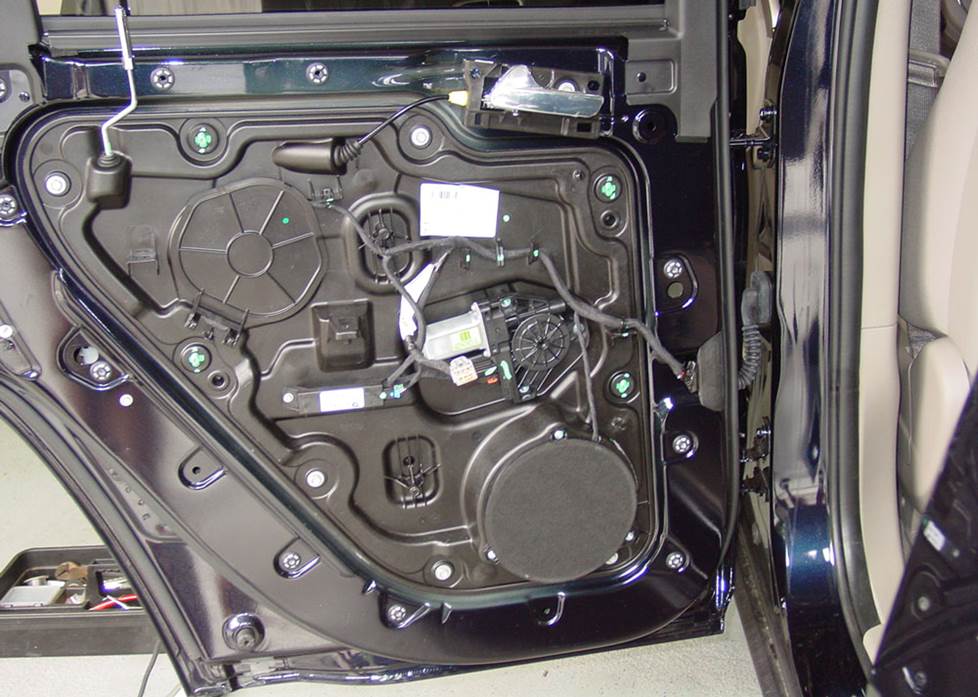
1993–1998 (zj)
- Front door speakers: 5.25 inches
- Rear door speakers: 5.25 inches
- Dash tweeters (if equipped): 1 inch
1999–2004 (wj)
- Front door speakers: 6×9 inches
- Rear door speakers: 6.5 inches
- Dash tweeters: 2.5 inches
2005–2010 (wk)
- Front door speakers: 6×9 inches
- Rear door speakers: 6.5 inches
- Dash speakers: 3.5 inches
2011–2026 (wk2)
- Front door speakers: 6×9 inches
- Rear door speakers: 6.5 inches
- Dash speakers: 3.5 inches
- Rear pillar (if equipped): 3.5 inches
2026–present (wl)
- Front door speakers: 6×9 inches
- Rear door speakers: 6.5 inches
- Dash speakers: 3.5 inches
Speaker location and size may change with different trims, especially those with upgraded audio systems like Alpine or Harman Kardon.
How To Identify Your Jeep Grand Cherokee Speaker Size
If you’re not sure about your exact model, here are ways to check your speaker sizes:
- Owner’s manual: Most manuals list speaker sizes.
- Measure directly: Remove the door panel and measure the speaker diameter.
- Check online resources: Forums like Jeep Garage or Crutchfield’s vehicle selector can help.
- Look at the trim package: Upgraded sound systems sometimes use different sizes or add extra speakers.
Many Grand Cherokee owners are surprised to find out that factory speaker cutouts often fit more than one size. For example, a 6.5-inch speaker might fit with an adapter where a 6×9 was installed.
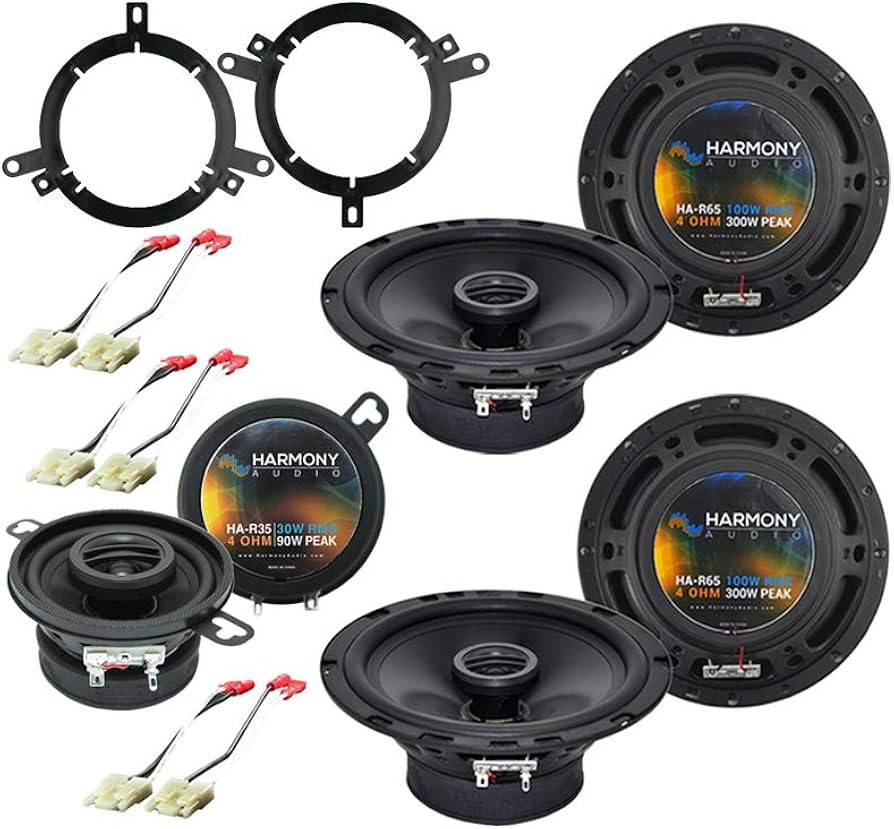
Common Speaker Upgrades And Options
Many drivers upgrade their Grand Cherokee speakers for better sound quality. Here are popular options:
- Front doors: Many choose high-quality 6×9-inch coaxial or component speakers.
- Rear doors: 6.5-inch speakers with better midrange response are popular.
- Dash speakers: Swapping in 3.5-inch full-range or dedicated tweeters can improve clarity.
Here’s a quick comparison of stock vs. upgraded speaker performance:
| Speaker Location | Stock Speaker Type | Typical Upgrade | Sound Improvement |
|---|---|---|---|
| Front Door | Paper cone 6×9 | Aftermarket 6×9 (poly cone) | Deeper bass, clearer sound |
| Rear Door | Basic 6.5-inch | Component 6.5-inch | Better mid/highs, detail |
| Dash | Basic tweeter | 3.5-inch full-range | Improved highs, wider sound |
Non-obvious tip: Upgrading the dash speakers often gives a bigger sound improvement than most expect. The dash location reflects sound off the windshield, making even small speakers sound larger.
Special Cases: Upgraded Sound Systems
Some Grand Cherokees come with premium systems like Alpine, Harman Kardon, or older Infinity Gold. These often add an amplifier and extra speakers. For example, a Harman Kardon system in the WK2 generation uses:
- 19 speakers
- 10-inch subwoofer
- Mix of 6×9, 3.5, and 1-inch tweeters
In these systems, speaker sizes can change slightly, and wiring is more complex. If you have an upgraded system, double-check your sizes before buying replacements.
| Sound System | Total Speakers | Extra Features |
|---|---|---|
| Base | 6 | None |
| Alpine | 9 | Subwoofer, Amplifier |
| Harman Kardon | 19 | Subwoofer, Surround Sound |
Beginner mistake: Some owners buy new speakers without checking if their Jeep has an amplifier. Factory amps can change the wiring and power, making plug-and-play upgrades tricky.

Speaker Installation: What To Watch For
Changing your Grand Cherokee speakers is not always simple. Here are some things to keep in mind:
- Speaker depth: Not all aftermarket speakers fit the shallow doors.
- Mounting adapters: Many speakers need brackets or spacers to fit factory holes.
- Wiring: Some Jeeps use odd connectors or factory amps. You may need harness adapters or bypass kits.
- Sound deadening: Adding foam or sound mats behind speakers can reduce vibration and improve sound.
A common oversight is forgetting to check speaker impedance. Most Jeep systems use 4-ohm speakers, but some premium systems use 2-ohm. Mixing these up can reduce volume or damage your amp.
Real-world Example: 2017 Grand Cherokee Limited
A typical 2017 Grand Cherokee Limited with the base audio system has:
- Front doors: 6×9-inch speakers
- Rear doors: 6.5-inch speakers
- Dash: 3.5-inch speakers
Owners often upgrade with better 6×9 speakers in front and coaxial 6. 5-inch speakers in the rear.
For the dash, a 3. 5-inch full-range speaker brings out more detail.
Many report the biggest improvement comes from the dash and front door upgrades.
If the Jeep has the Alpine system, the upgrade process is more complex due to the amp and extra speakers.
Cost And Value Of Upgrading
Speaker upgrades range from $60 for a basic pair to over $600 for a full set with premium brands. Labor can add another $100–$300 if done professionally. Most users notice the best value by replacing the front door and dash speakers first.
Here’s an estimated breakdown:
| Upgrade Type | Parts Cost | Labor (if pro) | Sound Improvement |
|---|---|---|---|
| Front Door Only | $80–$200 | $80–$120 | High |
| Full Set | $250–$600 | $200–$300 | Very High |
| Dash Only | $40–$100 | $40–$60 | Medium |
Pro tip: Many car audio shops allow you to listen to different speakers before buying. Bring your favorite music to test for sound you like.