Jeep Grand Cherokee Spark Plug Replacement
Replacing spark plugs in your Jeep Grand Cherokee is a simple way to keep your engine running smoothly and efficiently. Many owners notice better fuel economy, smoother acceleration, and fewer misfires after a spark plug change.
If you own a Grand Cherokee with over 60,000 miles, it's wise to check if your plugs need replacing. This guide will help you understand when and how to perform a spark plug replacement, which tools and parts you need, and what mistakes to avoid.
Even if you’re new to car maintenance, you’ll find practical tips here to make the process easier and safer.
When To Replace Spark Plugs
Most Jeep Grand Cherokee models use copper, platinum, or iridium spark plugs. Each type has a different lifespan:
| Spark Plug Type | Replacement Interval (miles) |
|---|---|
| Copper | 30,000 |
| Platinum | 60,000 |
| Iridium | 100,000 |
If your Grand Cherokee runs rough, has trouble starting, or the check engine light is on, worn spark plugs could be the reason. Always check your owner’s manual for the exact interval and correct plug type for your engine.
Tools And Parts You’ll Need
Before you start, gather the right tools and parts. Using the wrong tools can damage the plugs or your engine.
| Tool/Part | Purpose |
|---|---|
| Spark Plug Socket (usually 5/8” or 9/16”) | Safely removes/installs spark plugs |
| Ratchet Wrench with Extension | Accesses hard-to-reach spark plugs |
| Torque Wrench | Ensures correct tightness |
| New Spark Plugs (OEM recommended) | Replaces old/worn plugs |
| Dielectric Grease | Protects spark plug boots |
| Anti-Seize Compound (optional) | Prevents plugs from sticking |
A common mistake is buying cheap spark plugs. Always choose OEM-recommended plugs for your Jeep. Some aftermarket plugs may not work well and can cause misfires.

Step-by-step Replacement Guide
- Allow the engine to cool. Hot engines can burn your hands and make plugs harder to remove.
- Disconnect the negative battery cable. This prevents accidental shocks.
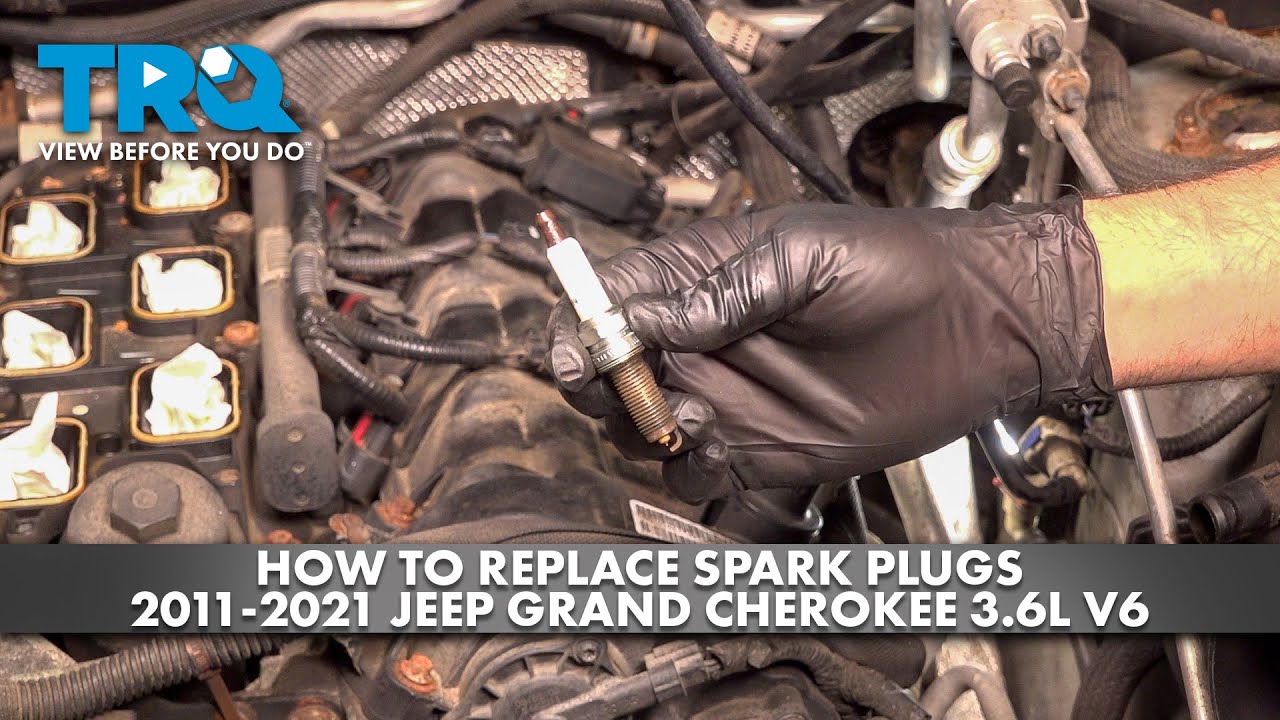
- Locate the spark plugs. On most Grand Cherokees, the plugs are along the top or side of the engine under ignition coils or wires.
- Remove ignition coils or wires. Label each one so you can reconnect them in the correct order.
- Clean around each plug. Use compressed air or a brush to prevent dirt from falling into the cylinders.
- Remove old spark plugs. Use the spark plug socket and extension. Turn counterclockwise to loosen.
- Check old plugs. Look for signs of wear, oil, or carbon deposits. This can hint at engine problems.
- Gap the new plugs (if needed). Some plugs come pre-gapped. Still, check with a feeler gauge to match your engine’s specs.
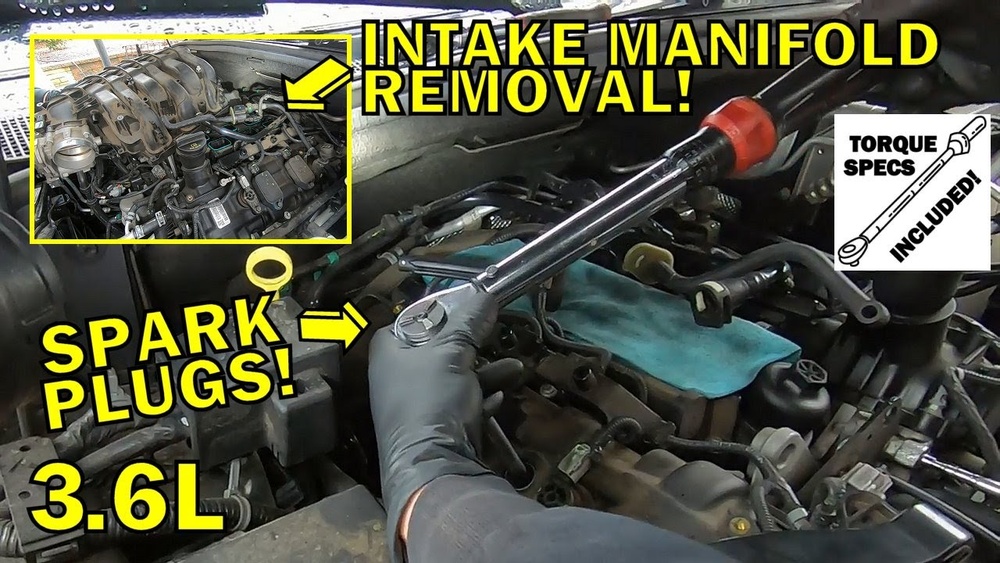
- Install new plugs. Thread by hand first to avoid cross-threading. Use the torque wrench to tighten to the specification (usually 13-15 ft-lbs for most Jeep engines).
- Apply dielectric grease. Put a small amount inside the plug boots to prevent moisture and sticking.
- Reinstall coils/wires. Double-check each connection.
- Reconnect the battery and start the engine. Listen for smooth operation.
Example: 2014 Jeep Grand Cherokee 3.6l
- Number of spark plugs: 6
- OEM plug type: Iridium
- Typical labor time: 1-1.5 hours
Changing all plugs at once saves time and prevents uneven performance.
Common Mistakes And How To Avoid Them
Many DIYers make simple errors that lead to bigger problems:
- Over-tightening spark plugs: This can crack the plug or damage the cylinder head.
- Cross-threading: Always start new plugs by hand to avoid damaging threads.
- Mixing up wires or coils: Misfiring will occur if connections are incorrect.
- Using the wrong plug gap: Too wide or narrow gaps cause poor ignition.
Non-obvious tip: Always inspect the removed plugs. If one plug looks very different from the others (excessive oil, white deposits), your engine may have a deeper issue like a leaking valve seal or coolant problem.

How Spark Plug Condition Affects Performance
Worn spark plugs don’t just reduce power. They can:
- Lower fuel economy by up to 20%
- Increase emissions (may fail an emissions test)
- Cause hard starting in cold weather
- Trigger check engine light codes (like P0300-P0306)
If you want your Jeep Grand Cherokee to run efficiently, replacing spark plugs on schedule is one of the simplest and most cost-effective maintenance steps.
Cost Comparison: Diy Vs. Mechanic
Should you replace your spark plugs yourself or pay a shop? Here’s a simple cost breakdown for a typical 6-cylinder Grand Cherokee:
| Option | Approximate Cost | Pros | Cons |
|---|---|---|---|
| DIY | $30–$80 (plugs only) | Save money, learn new skill | Takes time, need tools |
| Mechanic | $150–$250 (parts & labor) | Fast, professional results | More expensive |
If you already own basic tools, doing it yourself is much cheaper. However, for high-mileage or V8 models, some plugs are harder to reach, so a professional may be worth the cost.
Final Tips For A Smooth Replacement
- Replace all spark plugs at the same time, even if only one is bad.
- Keep a log of the replacement date and mileage.
- Use a small flashlight to check for dropped tools or parts in the engine bay.
- Always test drive your Jeep after the job. Listen for unusual noises or rough running.
Even many experienced Jeep owners forget to check the plug gap or apply dielectric grease. These two small steps can prevent future misfires and make removal easier next time.
Routine spark plug replacement helps your Jeep Grand Cherokee start easily, run smoothly, and use fuel more efficiently. With the right tools and preparation, most owners can do this job at home and save money.