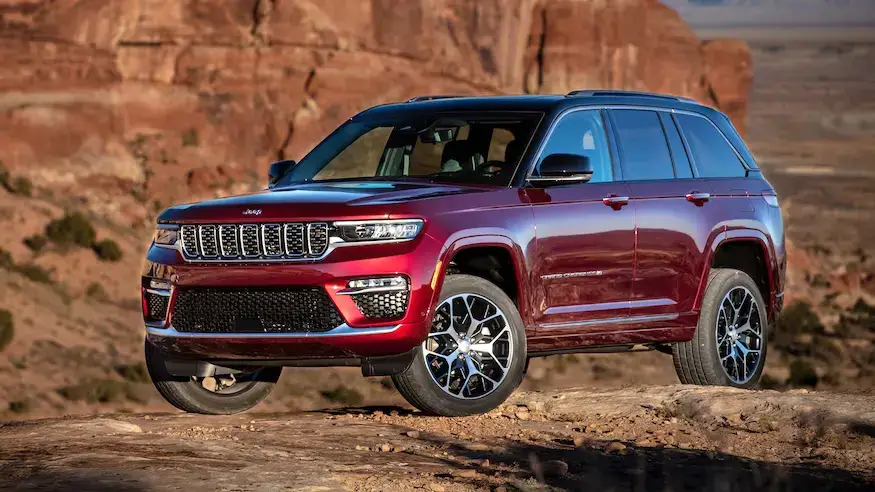
Owning a Jeep Grand Cherokee is about enjoying adventure and comfort. But to keep your SUV running strong, you need to know the right service intervals.
Many owners overlook simple maintenance, leading to costly repairs. Understanding when and what to service is key for safety, reliability, and resale value.
This guide explains the official Jeep Grand Cherokee service interval, why it matters, and how you can avoid common mistakes that many drivers make.
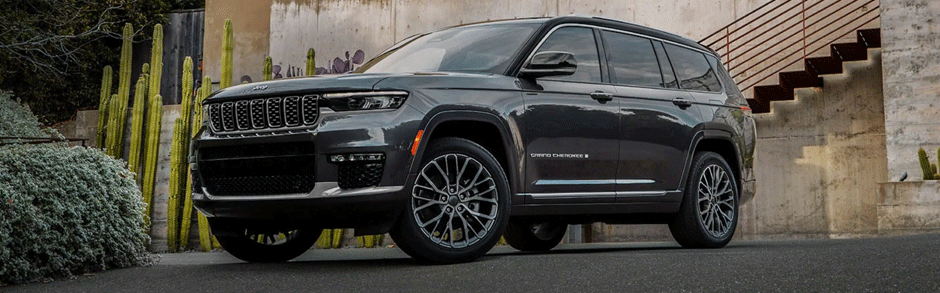
Why Service Intervals Matter
Every vehicle wears down over time, but regular maintenance is what keeps issues small. Skipping just one oil change or ignoring a strange noise can lead to engine damage or safety risks. Jeep designed the Grand Cherokee with set intervals because the parts, oil, and filters have limits. Following these intervals helps you avoid breakdowns and keeps your warranty valid.
Jeep Grand Cherokee Service Interval Overview
Jeep recommends a routine maintenance schedule for the Grand Cherokee. These intervals may vary slightly by engine type and year, but most models follow a similar pattern. Below is a typical schedule for a modern Grand Cherokee:
| Service | Mileage (mi) | Time (months) |
|---|---|---|
| Oil & Filter Change | Every 7,500 | or 6 |
| Tire Rotation | Every 7,500 | or 6 |
| Air Filter Replacement | Every 30,000 | or 24 |
| Spark Plugs | Every 100,000 | or 72 |
| Brake Inspection | Every 10,000 | or 12 |
Always check your owner’s manual for exact intervals—some models or engines (like diesel or SRT) have different needs.

Key Maintenance Tasks Explained
Many owners know about oil changes, but other services are just as important. Here’s what you should pay attention to:
Oil And Filter Changes
Engine oil lubricates moving parts and removes dirt. The 7,500-mile interval works for most drivers, but if you drive in dusty areas or tow heavy loads, you might need to change it more often.
Tire Rotation
Rotating your tires every 7,500 miles prevents uneven wear. This not only extends tire life but improves grip and braking.
Air Filter Replacement
A clean air filter helps your engine “breathe.” Jeep suggests changing it every 30,000 miles. If you drive off-road or in pollution, check it sooner.
Spark Plugs
Most Grand Cherokees use long-life spark plugs. Change them every 100,000 miles for best fuel economy and smooth starts.
Brake Inspection
Brakes are critical for safety. Have them checked every 10,000 miles. This includes pads, rotors, and brake fluid.
Service Intervals By Model Year
Not all Grand Cherokees are the same. Here’s a comparison of maintenance intervals for two popular model generations:
| Service | 2011-2020 Models | 2026+ Models |
|---|---|---|
| Oil Change | Every 8,000 mi | Every 7,500 mi |
| Tire Rotation | Every 8,000 mi | Every 7,500 mi |
| Transmission Fluid | Every 60,000 mi | Every 60,000 mi |
| Spark Plugs | Every 100,000 mi | Every 100,000 mi |
Notice the small differences. Newer models often have tighter intervals due to improved engine designs and stricter emissions rules.
Common Mistakes To Avoid
Many Grand Cherokee owners make simple mistakes that cost money and time:
- Ignoring warning lights – The dashboard is your friend. If a light comes on, act quickly.
- Using cheap oil or parts – Saving a little now can mean spending a lot later. Stick to Jeep-approved fluids and filters.
- Skipping tire checks – Uneven tires can lead to accidents and poor fuel economy.
- Forgetting seasonal care – Extreme cold or heat affects batteries, fluids, and tires. Check these before each season.
Here’s a quick glance at the consequences of skipping maintenance:
| Skipped Task | Possible Problem |
|---|---|
| Oil Change | Engine wear, overheating |
| Brake Inspection | Longer stopping distance, safety risk |
| Tire Rotation | Uneven wear, poor traction |
| Air Filter | Poor acceleration, higher fuel use |
Two Insights Most Owners Miss
- Driving style changes service needs. If you tow, go off-road, or drive mostly in city traffic, you need more frequent checks. The “severe duty” schedule in your manual applies to many real-world drivers, not just extreme ones.
- Climate matters. Hot weather can break down oil faster, while cold can stress your battery and fluids. Adjust your schedule if you live in areas with harsh seasons.

Keeping Track Of Your Maintenance
It’s easy to lose track of when your Jeep needs service. Many owners rely only on mileage.
But combining mileage and months is safer, since some parts age even if you drive little. Use a notebook, phone app, or the Jeep Uconnect system to log each service.
For more detailed factory schedules, check the official Jeep Maintenance Guide.
Frequently Asked Questions
How Often Should I Service My Jeep Grand Cherokee?
Most models need basic service every 7,500 miles or 6 months, whichever comes first. Always check your owner’s manual for your exact year and engine.
What Happens If I Skip A Service Interval?
Skipping service can lead to engine damage, lower fuel efficiency, and safety issues. It may also void your warranty.
Are Jeep Service Intervals Different For Diesel Or Srt Models?
Yes. Diesel and SRT models usually have shorter intervals, especially for oil and filters. Follow the specific schedule for your engine.
Can I Do Any Maintenance Myself?
You can do simple tasks like checking tire pressure, topping up fluids, or changing wiper blades. For complex work, use a certified mechanic.
Does Weather Affect My Service Schedule?
Extreme heat or cold can shorten the life of oil, batteries, and tires. Adjust your maintenance if you drive in tough climates.
Taking care of your Jeep Grand Cherokee with the right service intervals keeps it running smoothly and safely. A little planning now can save you major headaches later, letting you enjoy every mile with confidence.