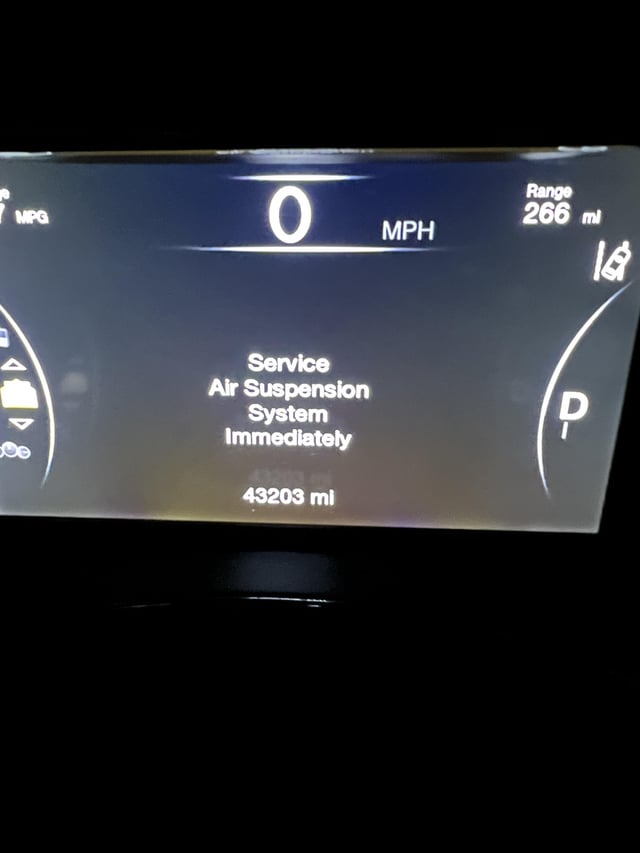
If you drive a Jeep Grand Cherokee, you might see a warning message: Service Air Suspension Immediately. This can be alarming, especially if you rely on a smooth ride or often travel off-road.
Understanding what this message means, why it appears, and what steps you should take can help you avoid expensive repairs and keep your Jeep safe.
What Is Jeep Grand Cherokee Air Suspension?
The air suspension system in many Jeep Grand Cherokees, especially the Quadra-Lift version, uses air springs instead of traditional steel coil springs. This advanced system automatically adjusts your vehicle’s height for comfort, fuel efficiency, and off-road performance. It allows you to raise the Jeep for rough terrain or lower it for easier entry and better highway stability.

But with these benefits comes complexity. Air suspension uses compressors, sensors, valves, and air lines. Any failure in these parts can lead to the service warning.
Why Does The “service Air Suspension Immediately” Message Appear?
This warning means the Jeep’s air suspension system has detected a problem. Sometimes, the system will still function for a short time; often, it may switch to a fail-safe mode, locking the suspension height. Common reasons for this alert include:
- Air compressor failure: The compressor can wear out or overheat, especially in hot climates or after heavy use.
- Leaking air springs or lines: Over time, rubber air springs and lines may crack, causing air loss.
- Faulty sensors: Height sensors tell the system how much to inflate or deflate each corner; if they fail, the system gets confused.
- Electrical problems: Corroded connectors or blown fuses can break communication.
- Module or relay issues: The control module can develop faults, sometimes after a battery change or jump-start.
One insight many drivers miss: Sometimes, simply a weak or failing vehicle battery can trigger the warning. The air suspension is sensitive to voltage drops. Replacing an aging battery often resolves the alert.

Signs Of Air Suspension Trouble
Besides the warning message, you might notice:
- One side of the Jeep sits lower than the other
- The Jeep doesn’t raise or lower when you select different modes
- Loud air compressor noise, or no sound at all
- Bumpy, harsh ride
If you see any of these, do not ignore them. Driving with a failed air suspension can cause further damage and reduce safety.
What Should You Do When The Warning Appears?
Act quickly but stay calm. Here’s what you should do:
- Stop and inspect: Park on level ground. Walk around your Jeep to check for uneven height or obvious sagging.
- Turn off and restart: Sometimes, restarting the vehicle clears a temporary glitch.
- Check your battery: If your Jeep is more than 3 years old, or you notice slow starting, test the battery.
- Avoid heavy loads: Do not tow or carry extra weight until the system is fixed.
- Contact a professional: Air suspension needs specialized tools and knowledge. Driving too long with this warning can damage other parts.
Common Air Suspension Failures: Examples And Costs
Many Jeep owners face similar issues. Here is a comparison of common faults, symptoms, and average repair costs:
| Component | Typical Symptom | Average Repair Cost (USD) |
|---|---|---|
| Compressor | Jeep won’t raise/lower; loud or silent compressor | $800–$1,300 |
| Air Spring | One corner sagging; hissing sound | $500–$900 (per spring) |
| Height Sensor | System stuck at one height; warning message | $200–$400 |
| Control Module | Random warnings; all corners affected | $400–$900 |
Pro tip: If your Jeep is out of warranty, ask your shop if they use new or rebuilt parts. Rebuilt compressors can save you hundreds.
Prevention And Maintenance Tips
You can’t always prevent air suspension problems, but there are ways to reduce risk:
- Keep the underbody clean: Mud, salt, and road debris damage air lines and sensors.
- Service the compressor filter: Some models have a small air filter; change it every 30,000 miles.
- Inspect after off-roading: Check for damage to air lines or springs.
- Replace the battery proactively: Don’t wait for total failure—weak batteries are a silent cause of air suspension errors.
Here is a quick look at preventative actions and their benefits:
| Action | How Often | Benefit |
|---|---|---|
| Check air lines/springs | Every oil change | Catch leaks early |
| Clean compressor filter | 30,000 miles | Longer compressor life |
| Test battery | Annually | Prevents voltage-related errors |
When To See A Specialist
If the warning doesn’t clear after a restart, or if the Jeep rides poorly, take it to a certified Jeep or 4×4 specialist. Air suspension systems need special diagnostic computers.
Many general repair shops may not have the right equipment or experience.
One overlooked detail: Not all shops can reset the service alert after repairs. Ask ahead if they have the necessary software.
Can You Drive With The Service Air Suspension Warning?
In most cases, you can drive short distances if the Jeep still feels stable and safe. However, you should avoid:
- Long trips
- High speeds
- Towing or carrying heavy loads
If the Jeep sits very low or bounces excessively, call for a tow. Suspension failure affects steering and braking. Never risk safety to save time.
Real-world Example
A 2017 Jeep Grand Cherokee owner in Arizona saw the warning after a road trip. The dealer found a cracked air line caused by desert heat and dust.
Replacing the line and resetting the system cost about $400. The owner later replaced the battery to prevent future issues—a step many miss until the warning returns.
Frequently Asked Questions