The Jeep Grand Cherokee is famous for its strong performance and smooth ride, largely thanks to its rear suspension system. Many owners and mechanics want to understand exactly how this suspension works, especially when troubleshooting problems or upgrading parts.
A clear diagram helps, but knowing what each part does is even more useful. In this article, you’ll get a detailed look at the rear suspension diagram, learn about each component, and see how everything connects for a comfortable drive.
Whether you’re a DIY enthusiast or just curious, you’ll find practical guidance and some insights that many beginners miss.
Understanding The Jeep Grand Cherokee Rear Suspension
The rear suspension of the Jeep Grand Cherokee uses a multi-link setup. This system balances comfort and handling by allowing each wheel to move independently. Unlike older leaf spring designs, the multi-link provides better control and stability.
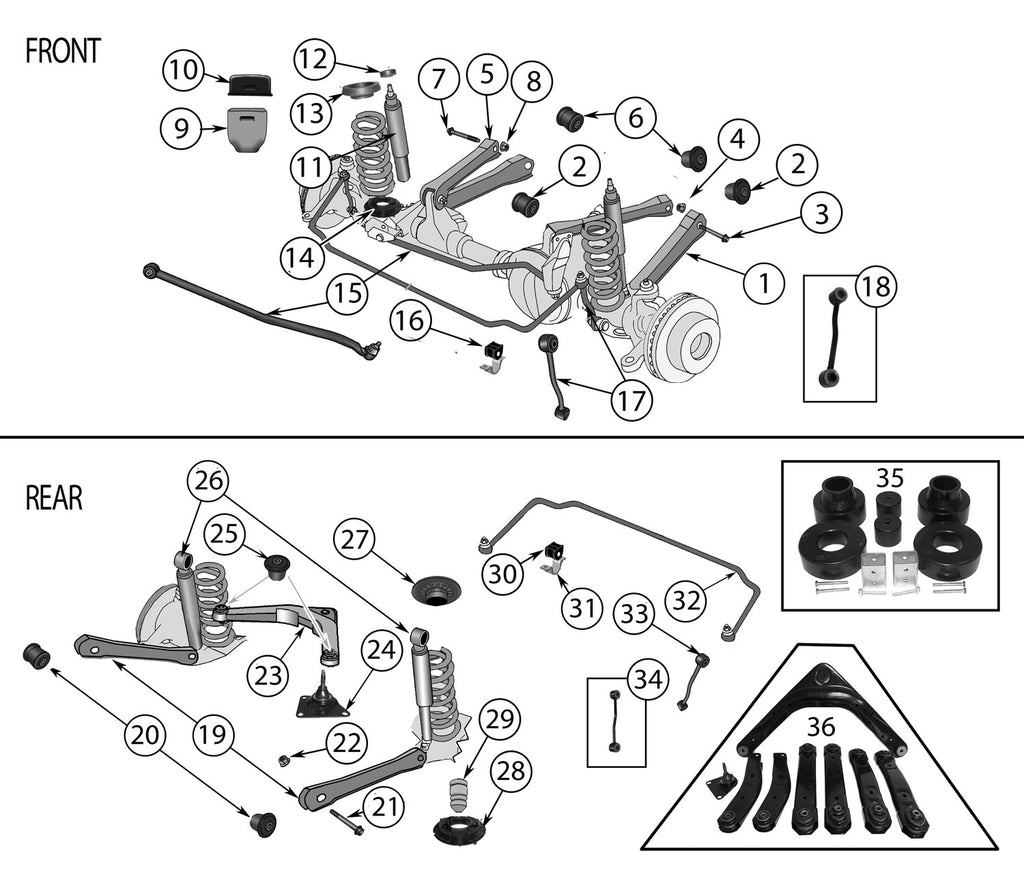
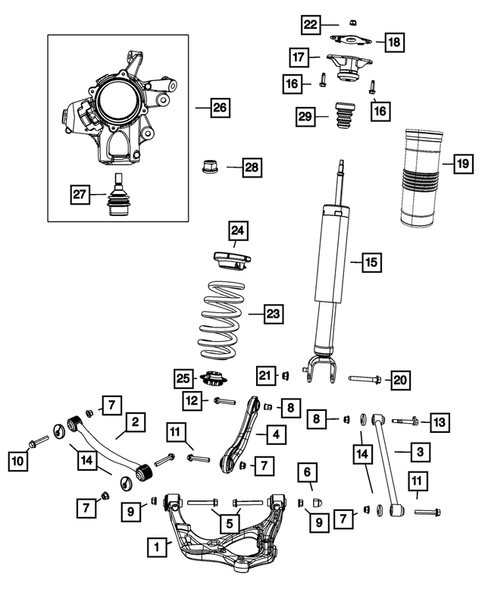
Here’s a simplified diagram of a typical Jeep Grand Cherokee rear suspension:
| Component | Main Function |
|---|---|
| Upper Control Arm | Guides vertical movement of the wheel |
| Lower Control Arm | Handles most of the suspension load |
| Coil Spring | Absorbs shocks and supports vehicle weight |
| Shock Absorber | Dampens vibrations and controls rebound |
| Sway Bar (Stabilizer Bar) | Reduces body roll in turns |
| Axle | Transfers power to the wheels |
| Bushing | Reduces friction and noise between metal parts |
This layout is found in most modern Grand Cherokee models, especially those produced after 2011. Older models may use a slightly different design.
Key Parts Of The Rear Suspension
Each part in the rear suspension has a special job. Knowing these jobs helps you spot problems or upgrade wisely.
Upper And Lower Control Arms
The control arms are like strong arms holding the wheel in place. The upper arm guides the wheel’s vertical movement, while the lower arm takes most of the load. If these arms bend or their bushings wear out, you may notice uneven tire wear or noisy driving.
Coil Springs And Shock Absorbers
Coil springs support the Jeep’s weight and absorb bumps. Shock absorbers work with springs to smooth out the ride. If your Jeep feels bouncy or bottoms out easily, it’s often due to worn shocks or springs.
Sway Bar (stabilizer Bar)
The sway bar connects both rear wheels. It keeps the vehicle stable during turns by reducing body roll. If the sway bar links break, handling gets worse, especially when cornering.
Axle And Bushings
The axle transfers power from the engine to the wheels. Bushings are small rubber or polyurethane parts that reduce friction and noise between suspension parts. Worn bushings can cause clunking sounds and a rough ride.
How The Rear Suspension Works Together
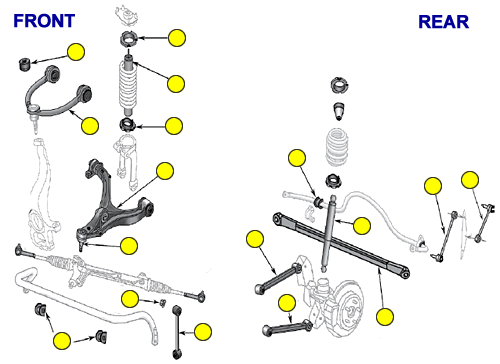
All these parts work as a team. When you drive over a bump, the coil spring compresses, and the shock absorber dampens the rebound.
Control arms guide the wheel’s movement so it stays straight. The sway bar helps keep the Jeep level.
If any part fails, the whole system suffers.
Here’s a quick comparison of how different rear suspension setups affect ride and handling:
| Suspension Type | Ride Comfort | Handling | Durability |
|---|---|---|---|
| Multi-Link (Grand Cherokee) | High | Excellent | Good |
| Leaf Spring | Medium | Average | Very High |
| Air Suspension | Very High | Excellent | Moderate |
Common Rear Suspension Problems
Most drivers only notice the suspension when something goes wrong. Here are common issues with the Jeep Grand Cherokee rear suspension:
- Clunking Noise: Usually from worn bushings or loose bolts.
- Sagging Rear End: Caused by tired coil springs.
- Rough Ride: Often from worn shock absorbers.
- Poor Handling: May be due to broken sway bar links or bent control arms.
- Uneven Tire Wear: Usually signals alignment issues, which can come from damaged control arms.
Quick tip: Many owners ignore bushings, but these small parts can make a big difference in ride quality. Replacing worn bushings often solves noises and vibrations without expensive repairs.
Upgrading The Rear Suspension
Some drivers want to improve their Jeep’s off-road ability or comfort. Upgrading the rear suspension can help. Popular upgrades include:
- Stronger coil springs for heavy loads.
- Performance shocks for smoother rides.
- Adjustable sway bars for better cornering.
- Polyurethane bushings for longer life.
If you upgrade, make sure all parts fit your specific Grand Cherokee model. Mixing brands or sizes can cause issues.
Another insight: Many beginners focus only on big parts like shocks and springs. However, upgrading the sway bar or bushings can give noticeable improvements in handling and comfort with less cost.
Maintenance Tips For Long Suspension Life
Proper care keeps your suspension working well. Here are some useful tips:
- Inspect bushings and control arms every 10,000 miles.
- Replace shocks and springs as a pair, not just one side.
- Check for rust or corrosion, especially in older Jeeps.
- Grease moving parts if your model allows it.
- After any upgrade, get a professional alignment.
These steps help avoid costly repairs and keep your Jeep safe.
Jeep Grand Cherokee Rear Suspension Diagram Example
For a visual reference, most diagrams show the key parts in a simple layout. Here’s how a basic diagram is structured:
| Part Location | Connected To | Purpose |
|---|---|---|
| Upper Control Arm | Frame and Axle | Vertical wheel movement |
| Lower Control Arm | Frame and Axle | Suspension load support |
| Coil Spring | Lower Control Arm and Frame | Absorbs shocks |
| Shock Absorber | Frame and Axle | Dampens bumps |
| Sway Bar | Both Lower Control Arms | Reduces roll |
For a detailed factory diagram and part numbers, visit the official Jeep website or trusted resources like Jeep Official Owner Site.
Frequently Asked Questions
How Do I Know If My Jeep Grand Cherokee Rear Suspension Needs Repair?
Look for signs like clunking noises, uneven tire wear, sagging, or poor handling. These usually mean something is worn or broken.
Can I Upgrade Just One Part Of The Rear Suspension?
You can, but it’s best to upgrade matching parts together. For example, replace both shocks at once. Mixing old and new parts may cause uneven wear.
Are Aftermarket Suspension Parts Better Than Oem?
Aftermarket parts can offer better performance or durability, but OEM (original) parts fit perfectly and keep warranty intact. Always check compatibility.
How Often Should I Check The Rear Suspension?
Check the suspension every 10,000 miles, or sooner if you drive off-road often. Early inspections save money and prevent bigger problems.
Is It Safe To Drive With A Damaged Rear Suspension?
It’s not safe. Damaged suspension affects control, comfort, and tire wear. Fix issues quickly to avoid accidents.
The rear suspension is the backbone of your Jeep Grand Cherokee’s smooth ride and safe handling. Knowing the diagram and each part’s role helps you maintain, repair, or upgrade your vehicle confidently.
With the right care, your Jeep will stay strong for many miles, both on and off the road.