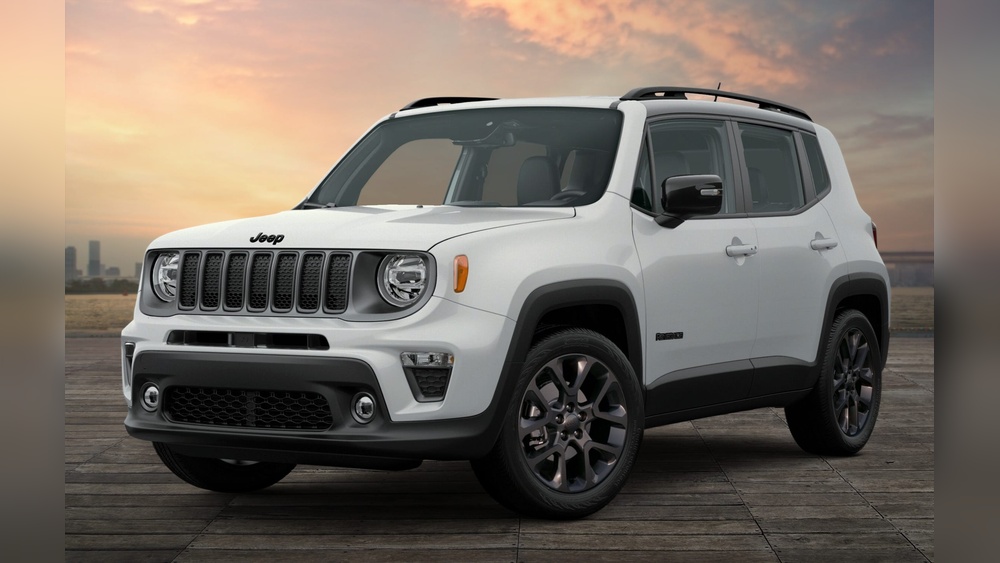
The Jeep Grand Cherokee push start button is a modern convenience that has become standard on most new vehicles, including this popular SUV. It replaces the traditional key ignition system with a simple button press, offering a more streamlined and often more secure way to start your engine.
This technology, also known as keyless ignition or smart key system, allows you to start your Grand Cherokee without physically inserting a key. Instead, the vehicle detects the presence of its specific key fob inside the cabin.
While the push-to-start system is generally reliable and user-friendly, like any automotive technology, it can encounter issues. Understanding how it works, common problems, and troubleshooting steps can save you time and frustration.
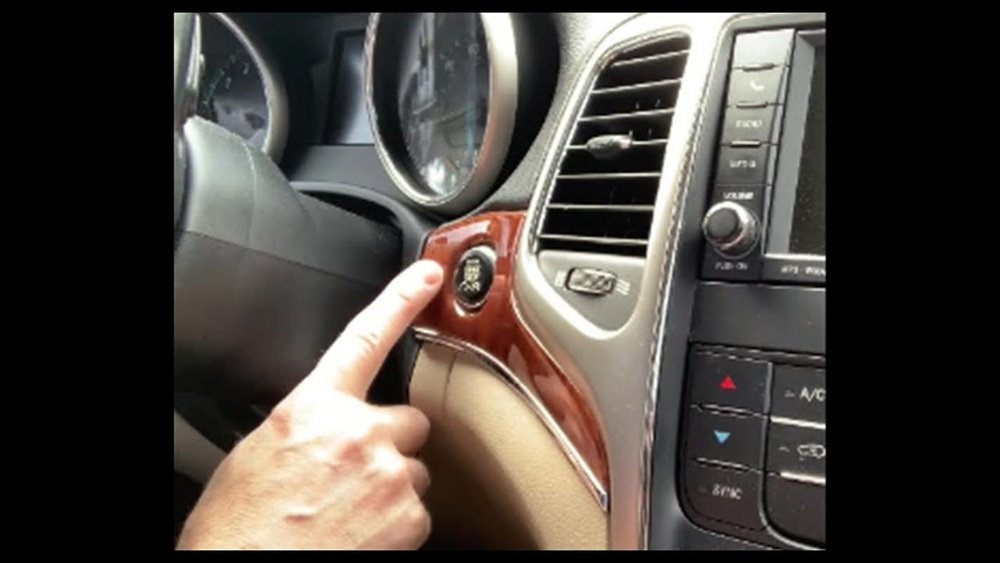
This guide will explore everything you need to know about the Jeep Grand Cherokee push start button, from its basic operation to diagnosing and resolving potential glitches.
How The Jeep Grand Cherokee Push Start System Works
The keyless ignition system in your Jeep Grand Cherokee relies on a sophisticated interplay between the vehicle’s computer and your key fob. It’s designed for convenience and enhanced security. Here’s a breakdown of the process:
- Key Fob Detection: Your Grand Cherokee is equipped with antennas strategically placed throughout the interior and exterior. When you approach the vehicle with the recognized key fob, these antennas create a low-frequency radio field. The key fob contains a transponder chip that responds to this field, sending a unique, encrypted signal back to the vehicle. This confirms that the correct key is present.
- Brake Pedal Engagement: For safety, the system requires you to press the brake pedal before starting the engine. This action signals to the vehicle’s computer that you intend to drive. The computer checks for confirmation that the brake pedal is depressed.
- Pushing the Start Button: Once the system confirms the presence of the key fob and the brake pedal is pressed, you can push the start button. This button sends a signal to the vehicle’s engine control module (ECM).
- Engine Ignition: The ECM then initiates the starting sequence. It engages the starter motor to crank the engine and injects the correct amount of fuel and air. As the engine begins to run, the ECM manages its operation.
- Accessory and Ignition Modes: The push-start button typically cycles through different modes. A single press (without the brake) usually turns on the accessory mode (powering radio, windows, etc.). A second press (without the brake) engages the ignition system (dashboard lights come on). Pressing the brake and then the button starts the engine. To turn off the engine, you typically press the button once while the vehicle is in park.
The system is designed with multiple layers of security. The encrypted signal between the fob and the car makes it very difficult for unauthorized individuals to start the vehicle.
The requirement of the brake pedal also adds a safety measure, preventing accidental startups.
While the push-to-start system is generally robust, several common issues can arise. These problems can range from minor annoyances to situations that prevent your Grand Cherokee from starting.
Understanding these issues can help you quickly diagnose the problem.
Key Fob Battery Issues
This is perhaps the most frequent culprit behind push-start problems. The key fob relies on a small coin-cell battery to transmit its signal.
- Weak or Dead Battery: Over time, the battery will drain. When it gets too weak, the car may struggle to detect the fob, leading to a “Key Not Detected” message on the dashboard or the car refusing to start.
- Symptoms: The car might not unlock remotely, the push-start button might not respond, or you might see a warning light or message on your instrument cluster.
- Solution: Replacing the key fob battery is usually a straightforward DIY task. You can find the battery type (often a CR2032 or similar) in your owner’s manual. Most auto parts stores and even supermarkets carry these batteries.
Interference And Signal Blockage
Electronic devices and certain environmental conditions can interfere with the radio signals between the key fob and the vehicle.
- External Interference: Other electronic devices, such as high-powered radio transmitters, certain types of security systems, or even some portable chargers, can sometimes create radio frequency (RF) interference that jams the signal.
- Internal Blockage: If the key fob is placed in a location within the vehicle that is shielded from the antennas, like a metal container or deep in a bag with other electronics, the signal can be blocked.
- Symptoms: The car may intermittently fail to detect the key fob, even when it’s supposed to be within range.
- Solution: Try moving the key fob to a different location, away from potential sources of interference. Ensure the fob is not placed in a metal object. If you suspect external interference, try starting the car in a different location.
Parking Brake Issues
The electronic parking brake (EPB) system is often integrated with the push-start system. If the EPB is not fully engaged or disengaged, it can prevent the vehicle from starting.
- Malfunctioning EPB: A fault within the EPB module or its sensors can cause it to remain partially engaged or fail to disengage properly.
- Driver Error: Sometimes, the driver might not fully disengage the parking brake before attempting to start the vehicle, especially if they are unfamiliar with the EPB system.
- Symptoms: The vehicle may refuse to start, and a parking brake warning light might illuminate on the dashboard. You might also hear unusual noises from the rear brakes.
- Solution: Ensure the parking brake is fully disengaged. If the warning light persists or you suspect a malfunction, consult your owner’s manual or a qualified mechanic. Sometimes, cycling the EPB on and off can reset it.
While less common, the push-start button itself can fail.
- Wear and Tear: Like any button, it can experience wear and tear over time, leading to intermittent functionality or complete failure.
- Internal Damage: Liquid spills or physical impact could also damage the button’s internal components.
- Symptoms: The button may feel loose, unresponsive, or require excessive force to activate. The dashboard lights might not come on when pressed, or the engine may not crank.
- Solution: A faulty push-start button typically requires replacement by a qualified technician.
Issues With The Vehicle’s Keyless Entry Module Or Antennas
The core of the keyless ignition system is the vehicle’s receiver module and the surrounding antennas. If these components malfunction, the system won’t be able to communicate with the key fob.
- Module Failure: The electronic module that processes the key fob signals can fail due to electrical issues, water damage, or component degradation.
- Antenna Problems: The antennas, though robust, can sometimes be damaged by impacts or corrosion, weakening the signal reception.
- Symptoms: Consistent “Key Not Detected” messages, even with a new battery in the fob and no apparent interference. The car might not respond to the key fob at all.
- Solution: Diagnosing and repairing issues with the keyless entry module or antennas requires specialized tools and expertise. This is a job for a dealership or a trusted automotive repair shop.
Steering Wheel Lock Issues
In some cases, the steering wheel lock mechanism can get stuck, preventing the push-start button from engaging.
- Stuck Lock: If the steering wheel is turned with significant force while the engine is off, the steering lock can engage tightly.
- Symptoms: The steering wheel won’t turn, and the push-start button may be unresponsive or the car will not start. You might hear a clicking sound when trying to turn the wheel.
- Solution: Try gently turning the steering wheel left and right while simultaneously pressing the brake pedal and the push-start button. This can sometimes release the tension on the lock. If this doesn’t work, the steering lock mechanism may need professional attention.

Troubleshooting Steps For A Non-starting Jeep Grand Cherokee
When your Jeep Grand Cherokee refuses to start with the push button, it can be a stressful experience. Before calling for a tow truck, try these troubleshooting steps.
They are ordered from the simplest and most common solutions to more complex ones.
Step 1: Check The Key Fob Battery
As mentioned, a dead key fob battery is the most common reason for a push-start system to fail.
- Action: Try using your spare key fob. If the spare works, you know the issue is with your primary key fob’s battery. If you only have one fob, try replacing the battery. You can usually open the fob by inserting a small flathead screwdriver into a seam or slot. Note the battery type (e.g., CR2032) and purchase a fresh one from an auto parts store or electronics retailer.
- Pro Tip: Even if the fob battery seems okay, try a new one. Sometimes, a battery can have just enough power to unlock doors but not strong enough to communicate reliably with the car’s ignition system.
Step 2: Ensure Proper Key Fob Placement
The vehicle needs to “see” the key fob. If it’s buried deep in a bag or in a metal console, it might not be detected.
- Action: Move the key fob to different locations inside the cabin. Try holding it directly next to the push-start button. Place it in the center console, a cup holder, or even on the driver’s seat. Some vehicles have specific “dead spots” where the signal is weaker.
- Experience-Based Guide: In my experience, sometimes just holding the fob very close to the start button while pressing the brake and then the button is enough to get it to recognize.
Step 3: Verify Brake Pedal Engagement
The brake pedal must be fully depressed for the push-start system to engage the engine.
- Action: Make sure you are pressing the brake pedal firmly and completely. Check if there are any obstructions under the pedal preventing it from moving freely.
- Warning: Never attempt to bypass safety features like the brake pedal requirement. It’s there for a crucial reason.
Step 4: Check The Electronic Parking Brake (epb)
An engaged parking brake can prevent starting.
- Action: Locate the EPB switch (usually on the center console). Ensure it is fully disengaged. If it’s already disengaged, try engaging it and then disengaging it again. Listen for any sounds from the rear brakes to confirm it’s releasing.
- Example: On some models, you might need to press the brake pedal while disengaging the EPB. Refer to your owner’s manual for specific instructions.
Step 5: Try The Key Fob Backup Method
Most vehicles with push-start systems have a hidden backup method for starting the car if the fob is not detected properly.
- Action: Consult your owner’s manual for the specific procedure for your Grand Cherokee model. Typically, it involves holding the key fob directly against the push-start button or placing it in a designated slot (often in the center console or near the steering column) while pressing the brake and then the start button. This method bypasses the normal radio frequency detection and uses a direct electrical contact or a very short-range signal.
- Calm Expert: This backup method is a critical safety feature designed for situations exactly like this, so don’t hesitate to use it if the standard procedure fails.
Step 6: Check For Dashboard Warning Lights
The dashboard can provide valuable clues.
- Action: Pay close attention to any warning lights or messages displayed on the instrument cluster. A “Key Not Detected,” “Service Engine Soon,” or specific EPB warning light can help pinpoint the problem.
- Data: According to AAA, battery issues (including key fob batteries) are a leading cause of roadside assistance calls for modern vehicles.
Step 7: Inspect The Steering Wheel Lock
If the steering wheel is locked, it can prevent starting.
- Action: Gently wiggle the steering wheel left and right while pressing the brake pedal and the start button. Sometimes, this slight movement is enough to release the steering lock mechanism. Do not force it.
Step 8: Consider Environmental Factors
Extreme temperatures or strong radio interference can affect the system.
- Action: If you are in an area with known strong radio signals or in extreme weather conditions, try moving the vehicle to a different location. Wait a few minutes for the car’s systems to reset.
If none of these steps resolve the issue, it’s likely a more complex problem with the vehicle’s electrical system, the keyless entry module, antennas, or the push-start button itself. At this point, it’s best to contact a qualified mechanic or Jeep dealership.
Understanding Key Fob Programming And Replacement
Your Jeep Grand Cherokee’s key fob is more than just a remote; it’s a sophisticated piece of technology that needs to be programmed to your specific vehicle. This process ensures that only your fob can start your car.
How Key Fobs Are Programmed
When you purchase a new Jeep Grand Cherokee, it comes with a set of programmed key fobs. If you lose a fob or need an additional one, a new fob must be programmed to your vehicle’s immobilizer system.
- Dealership Programming: The most common and often the only way to program a new key fob for a Jeep Grand Cherokee is through a dealership or a certified automotive locksmith. They use specialized diagnostic tools that connect to your vehicle’s OBD-II port. These tools communicate with the car’s computer to register the new fob’s unique transponder code.
- DIY Programming Limitations: While some older vehicles allowed for a degree of DIY key fob programming (often involving a sequence of turning the ignition on and off and pressing buttons), modern Jeeps with sophisticated security systems, including push-start functionality, generally cannot be programmed by the owner. The security protocols are too advanced.
- Data: The cost of programming a new key fob can vary significantly, but typically ranges from $75 to $200, in addition to the cost of the fob itself.
Replacing A Lost Or Damaged Key Fob
Losing a key fob can be a significant inconvenience and expense.
- Ordering a New Fob: You can order a replacement key fob from a Jeep dealership. They will need your vehicle’s VIN (Vehicle Identification Number) to ensure they provide the correct type of fob. You can also purchase aftermarket fobs, but ensure they are compatible with your specific Grand Cherokee model and year, and be aware that programming might still require professional tools.
- Replacement Process: Once you have the new fob, it must be programmed to your vehicle. As mentioned, this is typically done by a dealership or a qualified automotive locksmith. They will likely need to:
- Connect their diagnostic equipment to your Grand Cherokee.
- Erase the old fob’s programming from the vehicle’s memory (especially important if a fob was lost and might be found by someone else).