If your Jeep Grand Cherokee suddenly blows cold air when you expect warmth, it’s more than an inconvenience—especially in winter. Many owners find themselves puzzled, wondering what’s gone wrong.
Fixing the heating system can be simple or complex, but understanding the common causes will help you decide on your next step and avoid bigger problems.
Common Reasons Why Your Jeep Grand Cherokee Has No Heat
Several parts work together to provide heat in your Grand Cherokee. When one fails, you may notice the air stays cold even when you turn up the temperature. Below are the most frequent causes.
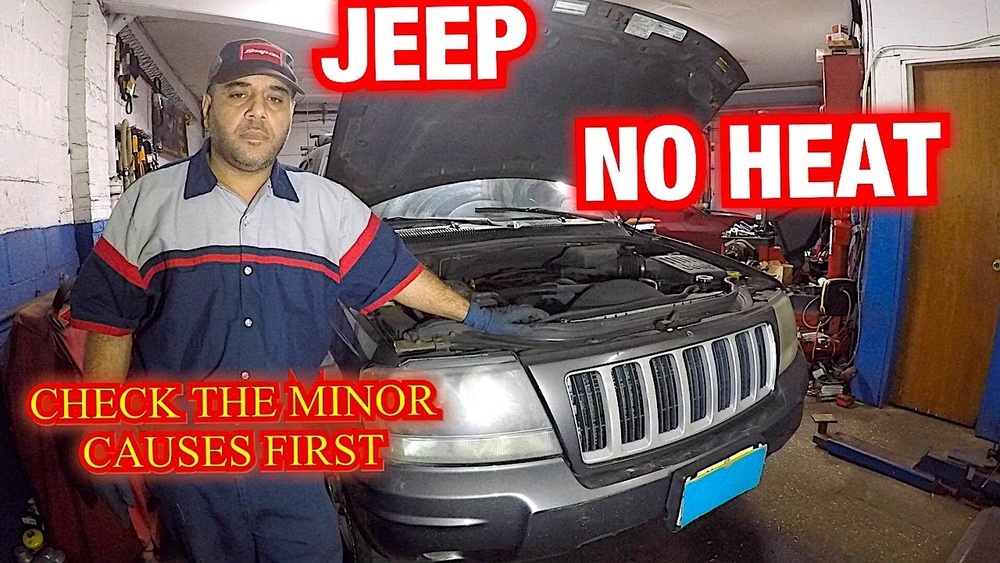
Low Coolant Level
The coolant (antifreeze) absorbs engine heat and sends it through the heater core. If the coolant is low:
- The heater core may not get enough hot liquid.
- Air blows cold, even if the engine is warm.
Check the coolant reservoir when the engine is cold. If it’s below the minimum line, top it up with the recommended coolant mix.
Remember, leaks are often the reason for low coolant—inspect hoses and the radiator for drips.
Faulty Thermostat
A thermostat controls coolant flow. If it’s stuck open:
- The engine may not reach normal temperature.
- The heater core stays cool.
You might also notice your temperature gauge stays below the normal range. Replacing a thermostat is usually affordable and solves the issue.
Heater Core Problems
The heater core acts like a mini radiator. Over time, it can:
- Get clogged with debris or rust
- Leak coolant inside the cabin
If you smell sweet antifreeze or see a wet passenger floor, suspect a leak. A clogged heater core often means weak or no heat.
Flushing the heater core may help, but replacement is needed if it’s leaking.
Blower Motor Or Controls
If the blower motor fails, you won’t feel much air—hot or cold. Signs include:
- No air from vents at any speed
- Fan only works on certain settings
Sometimes, the problem is electrical (like a blown fuse or faulty resistor). Check the owner’s manual for fuse locations.
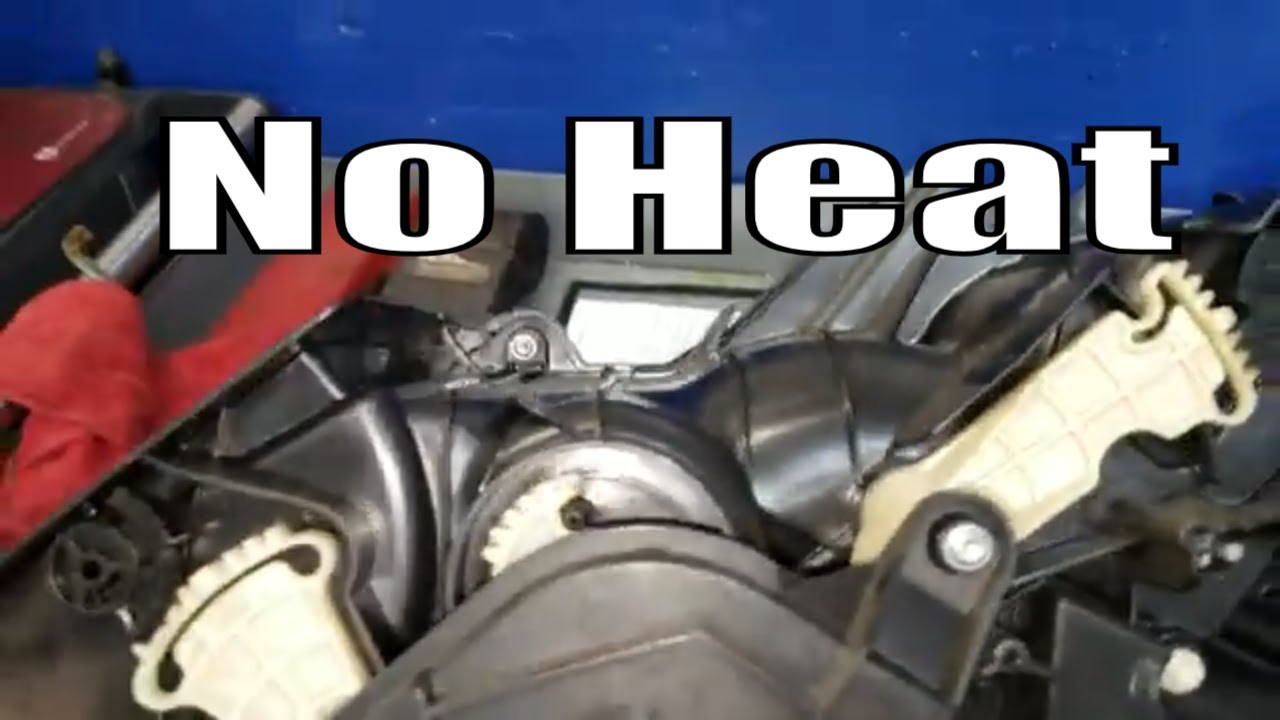
Blend Door Issues
Blend doors control whether air passes through the heater core or not. If stuck or broken:
- Airflow may stay cold, even with everything else working.
- Clicking noises behind the dashboard are common.
These repairs can be tricky, as accessing the blend door usually means removing parts of the dashboard.
How To Diagnose No Heat In A Jeep Grand Cherokee
A logical approach helps you find the real problem faster.
- Start the engine and let it warm up fully.
- Set heat to maximum and fan to high.
- Check temperature gauge—should reach the middle after 10–15 minutes.
- Feel both heater hoses (under the hood, going into the firewall). Both should be hot.
If one hose is cold, the heater core may be blocked. If both are cold, suspect low coolant or a thermostat issue.
Here’s a quick comparison of what symptoms often mean:
| Symptom | Likely Cause |
|---|---|
| Cold air, temp gauge low | Stuck-open thermostat, low coolant |
| Cold air, temp gauge normal | Clogged heater core, blend door issue |
| No airflow | Blower motor or fuse |
| Wet floor, sweet smell | Heater core leak |
Quick Fixes You Can Try
While some repairs need a mechanic, a few steps are simple and safe for most owners.
- Check coolant level (only when engine is cool).
- Inspect for leaks under the Jeep and around hoses.
- Replace the cabin air filter (sometimes clogged filter restricts flow).
- Check HVAC fuses in the fuse box.
Never open the radiator cap when the engine is hot—hot coolant can spray out and cause burns.
When To See A Mechanic
Some fixes are not DIY-friendly. Go to a professional if:
- You suspect a heater core leak (due to coolant loss or wet carpets).
- The blend doors need repair (dashboard removal required).
- Electrical tests are needed for the blower motor.
Labor costs can be high, especially for heater core or blend door repairs. Always ask for a quote before agreeing to the work.
Preventing Heating Problems
Prevention is often cheaper than repair. Here are smart habits:
- Flush coolant system every 2–3 years to prevent blockages.
- Fix coolant leaks quickly—small leaks can cause big problems.
- Operate the heater occasionally in warm months; this keeps blend doors and valves working smoothly.
Many owners forget that using the heater system even in summer (for a few minutes) can help spot problems early.
How Much Do Common Heating Repairs Cost?
Costs can vary by location and model year, but here’s a comparison for typical repairs:
| Repair | Estimated Cost (Parts & Labor) |
|---|---|
| Thermostat replacement | $150–$250 |
| Heater core flush | $100–$200 |
| Heater core replacement | $700–$1,100 |
| Blend door repair | $400–$900 |
| Blower motor replacement | $300–$500 |
Heater core replacement is the most expensive due to labor—it often requires taking apart the dashboard.

Model Year Differences
Some Grand Cherokee years have more heating issues than others. For example, the 2011–2016 models are known for blend door problems, while older models can develop heater core clogs faster. Always check for recalls or technical service bulletins for your specific year at the official NHTSA site.
Frequently Asked Questions
Why Does My Jeep Grand Cherokee Only Blow Cold Air?
The most common reasons are low coolant, a stuck-open thermostat, a blocked heater core, or blend door problems. Start by checking the coolant level and the temperature gauge.
Can I Drive My Grand Cherokee With No Heat?
Yes, but it’s not recommended if the coolant is low or leaking. Driving with low coolant can overheat the engine, causing serious damage.
How Can I Tell If My Heater Core Is Bad?
Signs include foggy windows, a sweet smell inside the cabin, and coolant on the passenger floor. If both heater hoses are cold, the core may be blocked.
Is Fixing The Heater An Expensive Repair?
Costs vary. A thermostat is cheap, but a heater core replacement is costly because of labor. Get a mechanic’s estimate before deciding.
Will A Radiator Flush Fix My Jeep’s Heater?
A flush can help if the heater core is clogged but won’t fix leaks or broken parts. Sometimes, a flush is a good first step before considering more expensive repairs.
When you know what causes heating problems in your Jeep Grand Cherokee, you can act faster and save money. Regular checks and simple fixes go a long way toward keeping your ride warm and comfortable.