If you own a Jeep Grand Cherokee or are planning to work on its wheels, knowing the correct lug nut torque spec is essential. This small detail can make a big difference in safety, performance, and even the lifespan of your wheels and brakes.
Whether you’re swapping tires for the season or just doing routine maintenance, using the right torque prevents problems you might not see immediately but could face later on the road.
What Is Lug Nut Torque?
Lug nut torque is the force used to tighten the lug nuts that hold your wheels to the vehicle. It’s measured in foot-pounds (ft-lbs). Using the correct torque ensures the wheel is secured properly. Too much force can strip threads or damage the wheel, while too little can cause the wheel to come loose. Both situations are dangerous.
Jeep Grand Cherokee Lug Nut Torque Specifications
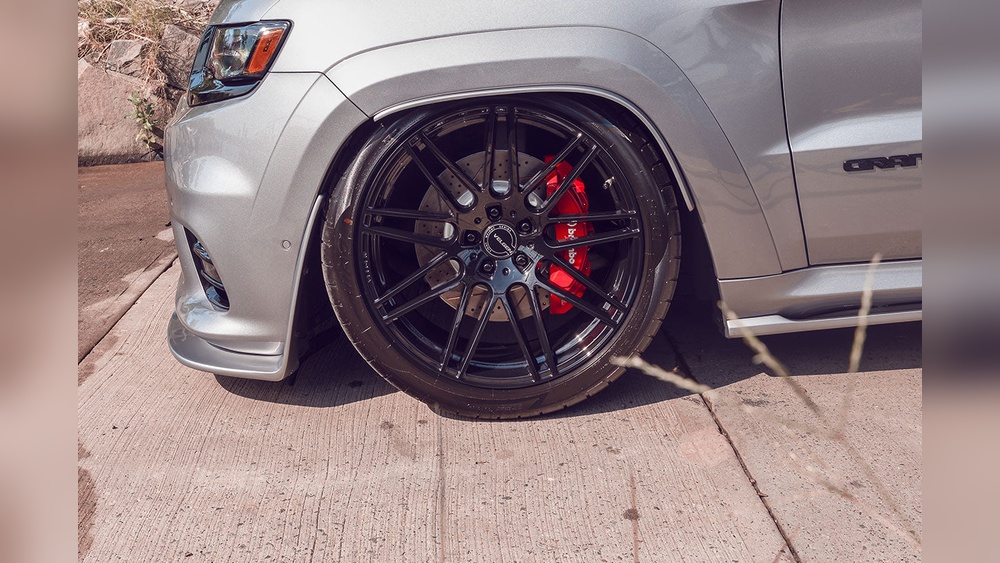
The proper lug nut torque for the Jeep Grand Cherokee depends on the model year and the type of wheels. Here’s a quick reference for some popular recent models:
| Model Year | Lug Nut Torque (ft-lbs) | Wheel Type |
|---|---|---|
| 2011–2026 | 130 ft-lbs | Aluminum or Steel |
| 2005–2010 | 110 ft-lbs | Aluminum or Steel |
| 1999–2004 | 95 ft-lbs | Aluminum or Steel |
Always check your owner’s manual for your exact model. If you have aftermarket wheels, the torque spec may be different.

Why Torque Matters For Your Grand Cherokee
Many drivers think tightening lug nuts as much as possible is best. In fact, over-torquing can warp your brake rotors, stretch wheel studs, and make future removal difficult. Under-torquing leaves the wheel at risk of coming loose. Both can lead to expensive repairs or dangerous accidents.
A real-world example: mechanics have found that wheels overtightened by impact wrenches can cause pulsating brakes due to warped rotors. On the other hand, loose wheels are a leading cause of wheel-off accidents on highways.
How To Properly Torque Lug Nuts
Using the correct process is as important as the torque number itself. Here’s how to do it safely:
- Use a torque wrench – Not a regular wrench or impact gun.
- Tighten in a star pattern – This helps the wheel seat evenly.
- Set the correct torque value – Refer to your model’s spec.
- Re-check after driving 50–100 miles – Lug nuts can settle, especially after wheel changes.
Here’s a quick look at the star pattern:
| Number of Lug Nuts | Tightening Pattern |
|---|---|
| 5 | 1-3-5-2-4 |
| 6 | 1-4-2-5-3-6 |
Common Mistakes When Torquing Lug Nuts
Most mistakes happen because people rush or don’t have the right tools. Here are the top things to avoid:
- Using an impact wrench for final tightening – This can easily over-torque.
- Ignoring torque specs after wheel changes – Even professional shops sometimes skip the final check.
- Lubricating lug nuts – Lubrication changes the friction and results in inaccurate torque.
- Not re-torquing after a few miles – Wheels can loosen slightly after initial installation.
When To Check Or Re-torque Your Lug Nuts
You should check the lug nut torque after any wheel removal, tire rotation, or brake job. Also, after driving 50–100 miles with new wheels or tires, re-check the torque. If you hear clunking or feel vibration after a tire change, pull over safely and check the lug nuts.
Different Grand Cherokee Models And Their Specs
Not all Grand Cherokees are the same. Special editions or models with different wheel designs may have unique requirements. For example:
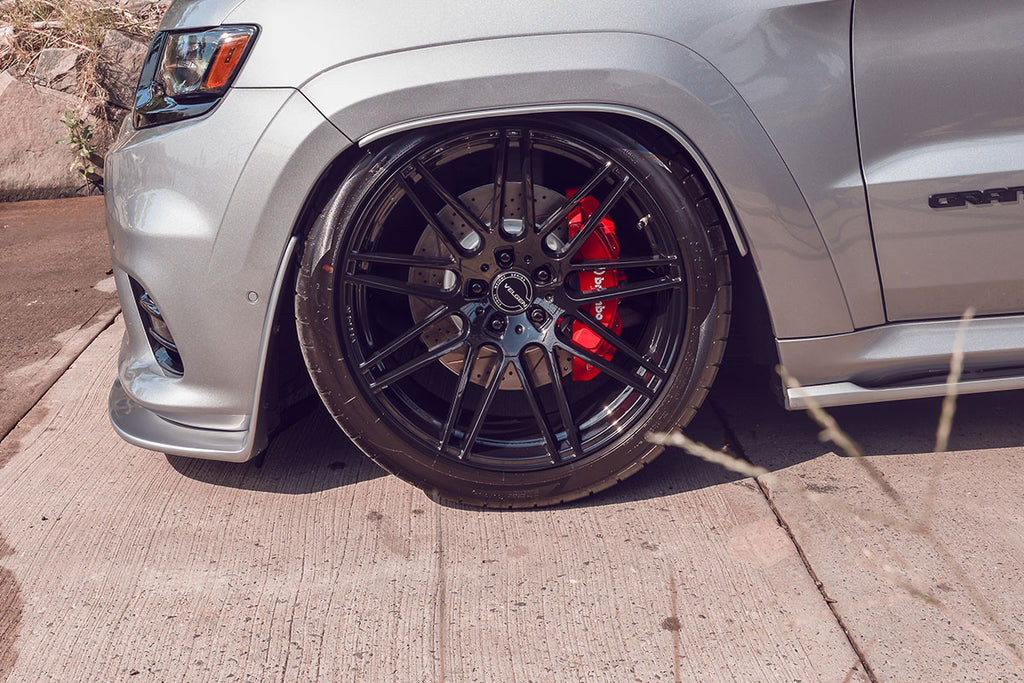
- Trailhawk and SRT versions often have larger brakes and wheels, but the torque spec typically remains at 130 ft-lbs for newer models.
- Aftermarket wheels may require a different torque—always follow the wheel manufacturer’s instructions.
Tools You Need For Proper Torque
You don’t need many tools, but a few are essential:
- Torque wrench (preferably click-type)
- Socket set (usually 19mm or 21mm for Grand Cherokee)
- Breaker bar (for loosening tight lugs)
- Wheel chocks (for safety)
A torque wrench is a good investment if you plan to change tires or do maintenance yourself. It ensures accuracy and protects your wheels.
What If You Don’t Have A Torque Wrench?
If you’re stuck without a torque wrench, tighten the lug nuts in a star pattern until they’re snug, then have a mechanic check the torque as soon as possible. Never rely on “feel” for something this important.
How Lug Nut Torque Compares To Other Suvs
You might wonder if the Jeep’s torque spec is special. Here’s how it compares to similar midsize SUVs:
| Vehicle | Lug Nut Torque (ft-lbs) |
|---|---|
| Jeep Grand Cherokee | 130 |
| Ford Explorer | 100–110 |
| Toyota Highlander | 76 |
| Honda Pilot | 94 |
The Grand Cherokee generally requires a higher torque, likely because of its weight and performance.