The Jeep Grand Cherokee stands out as one of the most popular midsize SUVs in the United States. Known for its off-road ability and comfort, it appeals to families and adventure seekers alike.
However, small parts like lug nuts are often overlooked until there’s a problem—like a flat tire or when upgrading wheels. Understanding the Jeep Grand Cherokee lug nut size is not just about basic maintenance; it’s essential for safety and vehicle performance.
Many owners discover the importance of lug nut specs only when they face stripped threads, lost nuts, or wheel upgrades. This guide covers everything you need to know about Grand Cherokee lug nuts, offering practical advice, size charts, and common mistakes to avoid.
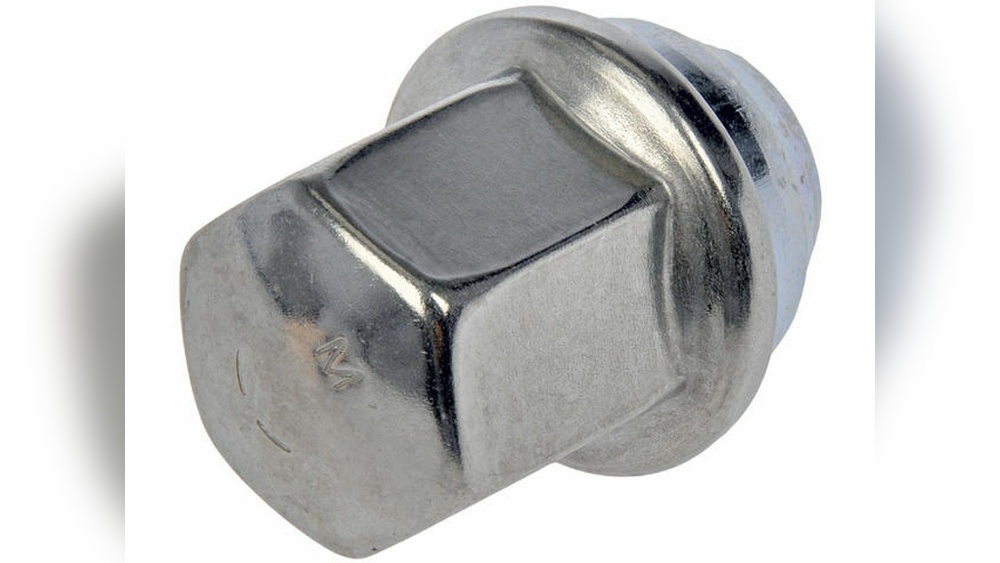
What Is A Lug Nut And Why Does Size Matter?
Lug nuts are the fasteners that hold a vehicle’s wheel to the hub. While they seem simple, choosing the wrong size or type can be dangerous. If a lug nut is too small, it won’t hold the wheel securely. If it’s too large, it may damage the wheel or not fit at all. The correct lug nut size for your Jeep Grand Cherokee affects both safety and wheel life.
Two key measurements define lug nuts:
- Thread size (the diameter and pitch of the threads)
- Hex size (the width of the nut’s head, which matches your lug wrench)
Common Jeep Grand Cherokee Lug Nut Sizes By Model Year
Over the years, Jeep has changed both the thread size and the hex size on the Grand Cherokee. Always check your owner’s manual or the vehicle’s placard for exact specs.
However, the following table summarizes the most common sizes found on U.
S. models from 1999 to present.
| Model Year Range | Thread Size | Hex Size | Seat Type |
|---|---|---|---|
| 1999–2010 | 1/2″-20 | 19mm (3/4″) | Conical (60°) |
| 2011–2026 | M14x1.50 | 22mm | Conical (60°) |
| 2026–present | M14x1.50 | 22mm | Conical (60°) |
Note: Aftermarket wheels may require different lug nuts, especially if the seat type changes. Always confirm before buying new lug nuts.
How To Measure And Identify Your Lug Nut Size
If you’ve lost your manual or the sticker is missing, you can still find your lug nut size. Here’s how:
- Remove a Lug Nut: Use a socket wrench to take one off a wheel.
- Measure Thread Diameter: Use a caliper to measure across the threads. For Grand Cherokees, it will be about 12mm (for 1/2″-20) or 14mm (for M14x1.50).
- Count Thread Pitch: For metric sizes, count how many threads per millimeter. For U.S. sizes, it’s threads per inch.
- Check Hex Size: Use a socket set to test which one fits the nut’s head (usually 19mm or 22mm).
- Check Seat Type: Most Grand Cherokees use a conical seat (tapered base), but some aftermarket wheels use flat or ball seats.
A typical Grand Cherokee lug nut is a closed-end, conical seat nut. Always replace with the same style for best fit.
Oem Vs. Aftermarket Lug Nuts: What’s Different?
Many Jeep owners upgrade to aftermarket wheels for looks or off-road performance. However, not all lug nuts fit all wheels. Here’s a quick comparison:
| Feature | OEM Lug Nuts | Aftermarket Lug Nuts |
|---|---|---|
| Fitment | Guaranteed for factory wheels | May require different seat or size |
| Corrosion Resistance | Usually better, factory tested | Varies—look for chrome or zinc coating |
| Cost | Generally higher | Wide price range |
| Security Options | Standard only, rarely locking | Locking nuts available |
Insight: Some aftermarket lug nuts are “tuner” style, which use a special key instead of a standard socket. If you lose the key, you may need a shop’s help to remove them.
Torque Specs And Installation Tips
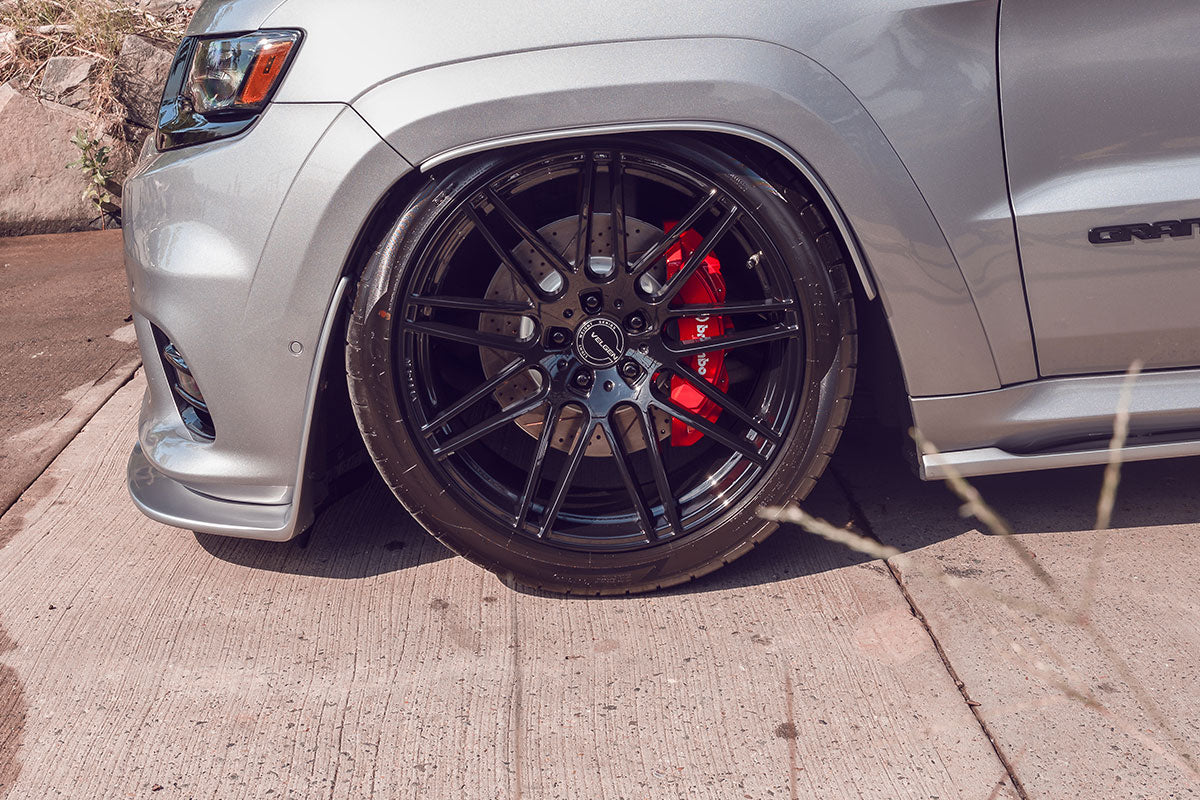
Correctly tightening your lug nuts is just as important as using the right size. Under-tightening can cause the wheel to wobble; over-tightening can strip studs or warp the brake rotor. The factory torque spec for most Grand Cherokees is 110 ft-lbs (149 Nm). Always check your specific year to be sure.
Here’s how to install lug nuts safely:
- Hand-tighten all nuts first to prevent cross-threading.
- Use a torque wrench to reach the recommended torque.
- Tighten in a crisscross pattern for even pressure.
- Re-check torque after 50-100 miles, especially after changing wheels.
Advanced tip: If you drive off-road, check lug nut torque more often. Mud and vibration can loosen even properly installed nuts.
Common Mistakes Jeep Owners Make
Many people make simple errors when dealing with their Grand Cherokee’s lug nuts. Here are two that often cause bigger problems:
- Using the wrong seat type: Factory wheels use a conical seat. Switching to a ball or flat seat can cause vibrations or even make the wheel fall off.
- Mixing old and new lug nuts: Different sizes or materials can lead to uneven torque and breakage. Replace the full set together.
Another issue is relying on cheap, chrome-plated lug nuts that rust quickly. Always buy from a trusted brand or official dealer.
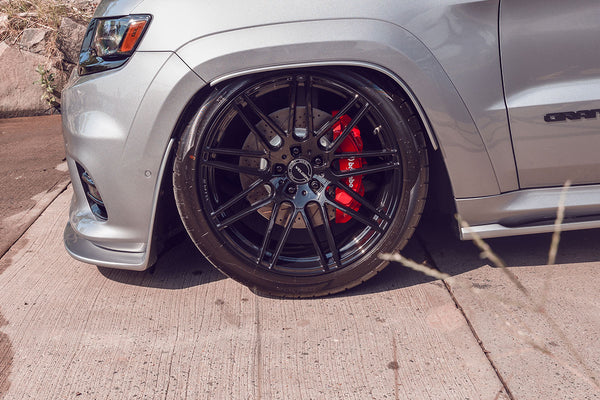
Upgrading To Locking Lug Nuts
Locking lug nuts are a popular upgrade for Jeep Grand Cherokee owners, especially in urban areas. These nuts require a special key to remove, which helps protect your wheels from theft. However, remember:
- Store the key in a safe but accessible place (not just the glove box).
- Only use one locking lug nut per wheel; the others should be standard.
- Never lose the key—replacement can be expensive.
Locking nuts are sized to match your factory lug nuts, so always check both the thread and seat type before buying.
When To Replace Lug Nuts
Lug nuts are tough, but they don’t last forever. Replace them if you notice:
- Rust or corrosion
- Stripped threads
- Worn-out hex heads
- Damaged seats
A good rule: Replace your lug nuts every time you change wheels, or every 5-7 years, whichever comes first.