If you drive a Jeep Grand Cherokee, you might have heard about limp mode. This term sounds worrying, but it’s a safety feature designed to protect your vehicle.
When limp mode activates, your Jeep limits engine power and disables some features. This lets you drive to a mechanic without causing more damage.
Knowing what triggers limp mode, how to fix it, and what mistakes to avoid can save you money, time, and stress.
What Is Limp Mode?
Limp mode is a built-in system that helps protect your car’s engine and transmission. If your Grand Cherokee detects a serious problem, it cuts power and only allows low speeds. You might notice:
- Reduced engine power
- Difficulty shifting gears
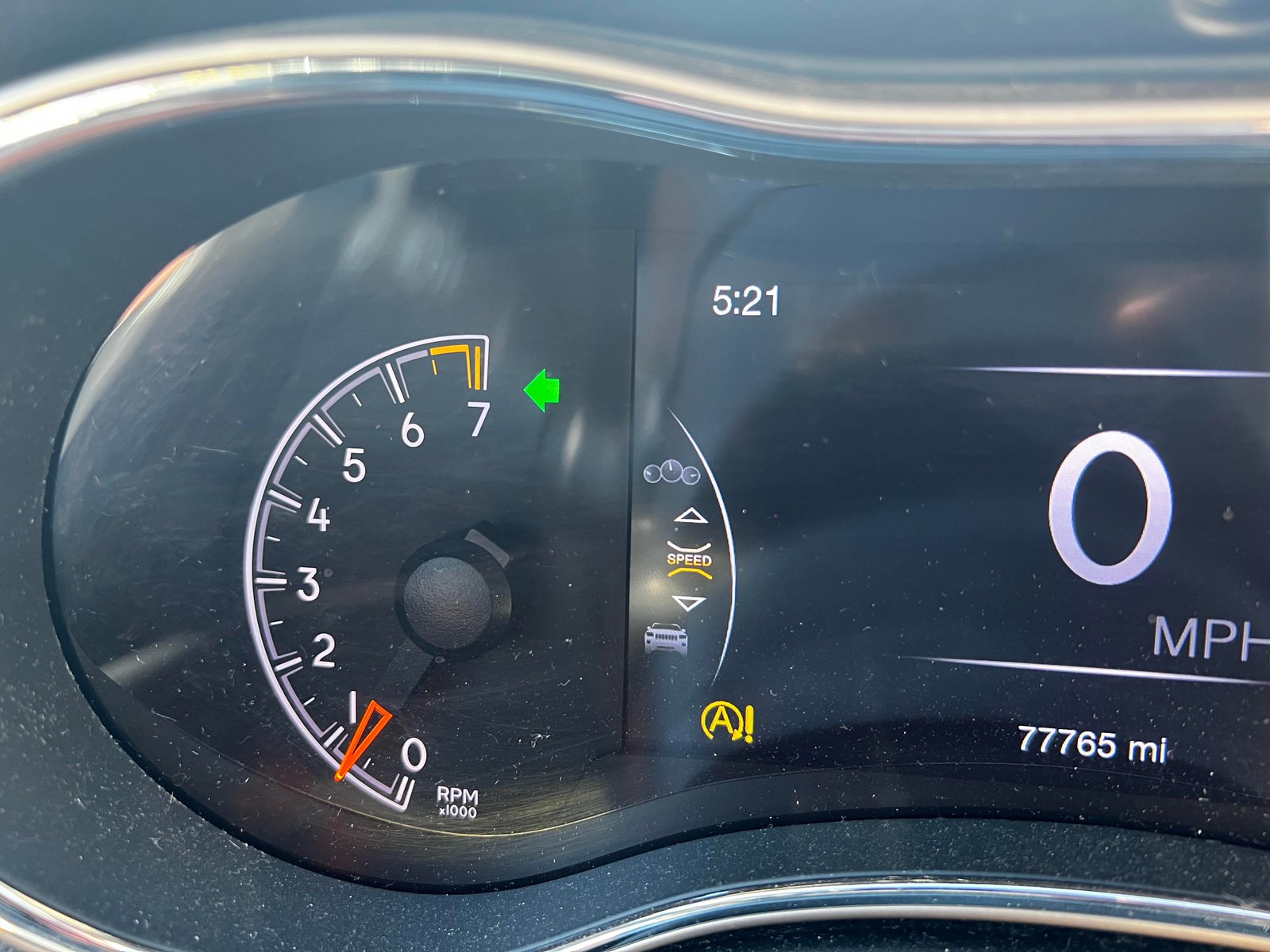
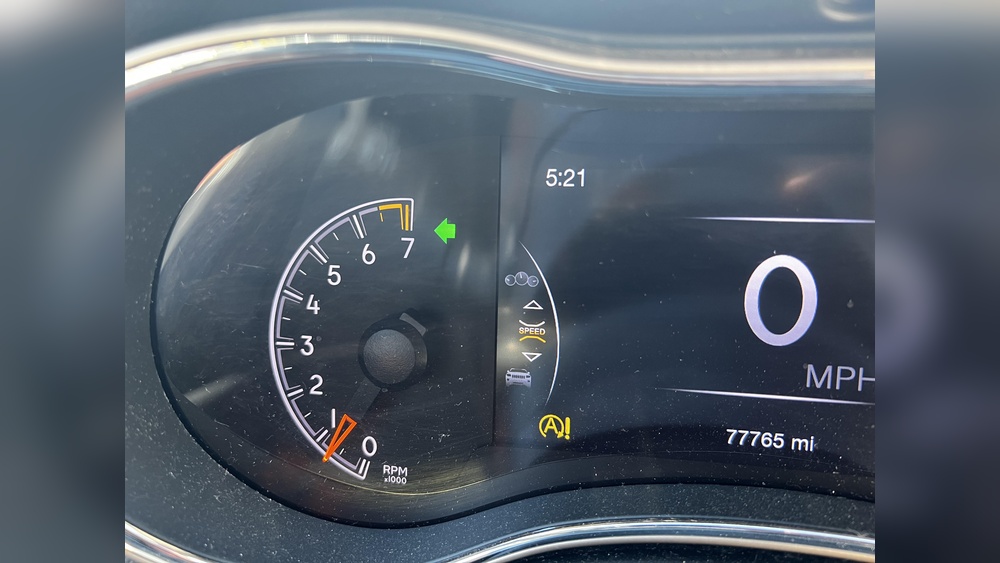
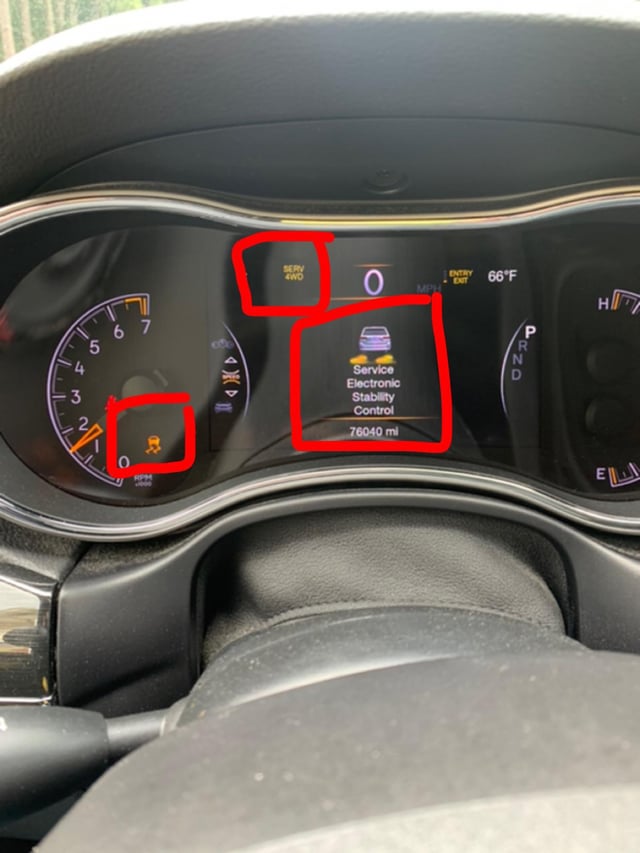
- Warning lights on the dashboard
- Sometimes, only second or third gear is available
The main goal is to keep your Jeep drivable, but prevent more expensive damage.
Common Causes Of Jeep Grand Cherokee Limp Mode
Limp mode can be triggered by many things. Some are simple, others are more serious. Here are the top reasons:
1. Transmission Issues
Low transmission fluid, faulty sensors, or damaged solenoids can cause limp mode. The Grand Cherokee’s automatic transmission relies on sensors for smooth shifting.
If these fail, the system forces limp mode.
2. Faulty Sensors
Modern Jeeps have many sensors. Problems with the Throttle Position Sensor (TPS), Mass Air Flow (MAF) Sensor, or Transmission Control Module (TCM) often trigger limp mode.
3. Electrical Problems
A weak battery, damaged wiring, or blown fuses can confuse your Jeep’s computer. Sometimes, fixing a loose cable restores normal function.
4. Overheating
If your engine or transmission overheats, limp mode activates to prevent serious damage. This can happen if your radiator is blocked or coolant is low.
5. Software Glitches
A bad update or corrupted software can cause limp mode. Sometimes, resetting the computer fixes the issue.
Jeep Grand Cherokee Limp Mode: Comparison Table
Here’s a quick look at common triggers and their effects:
| Cause | Signs | Repair Cost (USD) |
|---|---|---|
| Transmission Fluid Low | Hard shifting, warning light | 50–150 |
| Bad Sensor | Check engine, erratic idle | 100–400 |
| Electrical Fault | No start, limp mode | 50–300 |
| Overheating | High temp, limp mode | 100–500 |

How To Fix Limp Mode
When your Jeep Grand Cherokee goes into limp mode, stay calm. Here’s what you can do:
1. Turn Off And Restart
Sometimes, simply turning off the engine and restarting fixes the issue. This is especially true for minor glitches.
2. Check Transmission Fluid
Low or dirty transmission fluid is a frequent cause. Make sure the fluid is at the correct level and looks clean.
3. Scan For Error Codes
Use an OBD-II scanner to read the error codes. This tells you exactly what’s wrong.
Many auto shops will scan your Jeep for free.
4. Inspect Electrical Connections
Look for loose cables, corroded battery terminals, or blown fuses. Fixing these can restore normal operation.
5. Visit A Mechanic
If you can’t identify the problem, drive slowly to a trusted mechanic. Limp mode lets you drive without risking severe damage.
Example: Sensor Replacement Costs
Let’s compare common sensor repairs for Jeep Grand Cherokee:
| Sensor Type | Symptoms | Replacement Cost (USD) |
|---|---|---|
| Throttle Position Sensor | Slow acceleration, limp mode | 100–250 |
| Mass Air Flow Sensor | Poor fuel economy, limp mode | 120–300 |
| Transmission Control Module | Stuck in gear, limp mode | 200–400 |
Mistakes To Avoid When Dealing With Limp Mode
Many Jeep owners make simple mistakes that cost them money or time. Here are two common pitfalls:
- Ignoring Warning Lights:
Driving while warning lights are on can cause more damage. Always check your dashboard and act quickly.
- Using Cheap Parts:
Replacing sensors or other parts with cheap alternatives can lead to repeated limp mode issues. Use OEM or trusted brands.
https://www.youtube.com/watch?v=L5BFuY19rfM
Preventing Limp Mode
You can reduce the risk of limp mode by following these tips:
- Regular maintenance
Check transmission fluid, coolant, and battery regularly. Change fluids as recommended in your manual.
- Pay attention to warning signs
If you notice strange noises or lights, get your Jeep checked soon.
- Keep software updated
Ask your mechanic to check for updates during service visits.
Maintenance Schedule Example
Here’s a basic maintenance timeline for preventing limp mode:
| Service | Frequency | Estimated Cost (USD) |
|---|---|---|
| Transmission Fluid Change | Every 60,000 miles | 100–150 |
| Coolant Check | Every 6 months | Free–30 |
| Battery Inspection | Yearly | Free–50 |
When To Seek Professional Help
If limp mode happens more than once, or you can’t find the cause, it’s time for expert help. A mechanic can run advanced diagnostics and check for hidden issues.
Sometimes, problems are more complex than they seem. Don’t risk driving long distances in limp mode—it’s safer to tow your Jeep.