When your Jeep Grand Cherokee starts making a tapping or ticking noise from the engine, it might be time to consider a lifter replacement. Lifters play a crucial role in your engine’s performance, helping to open and close the valves smoothly.
Neglecting faulty lifters can lead to more serious engine damage and expensive repairs. Many Grand Cherokee owners face this issue, especially as their vehicles age or rack up miles.
If you’re considering a lifter replacement, understanding the process, costs, and key points can help you make a smart decision.
What Are Lifters And Why Do They Matter?
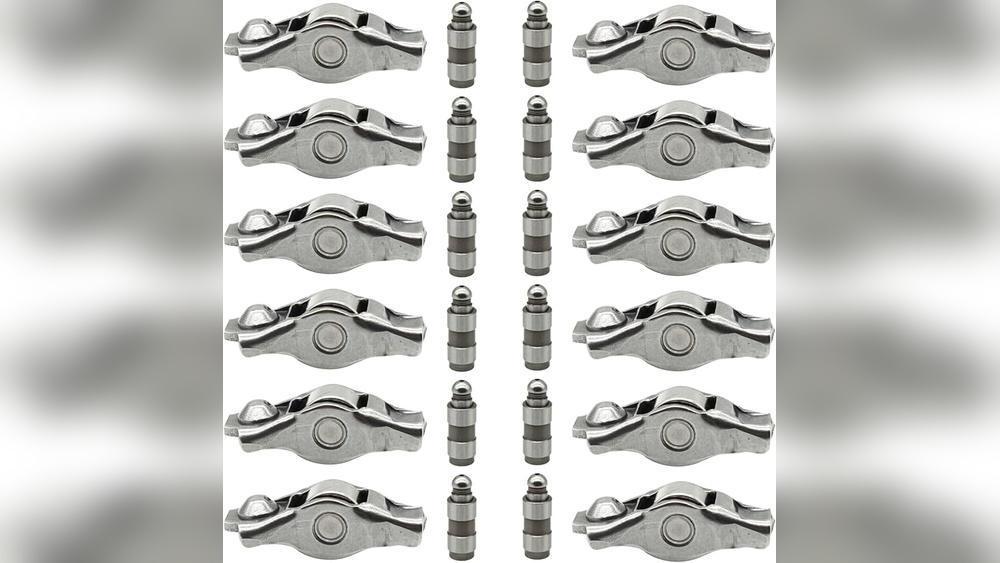
Lifters—also called tappets or hydraulic lifters—are small cylindrical parts inside your engine. Their job is to transfer movement from the camshaft to the valves, allowing air and fuel in, and exhaust out. In the Jeep Grand Cherokee, especially models with the 3.6L Pentastar V6 or Hemi V8 engines, lifters are essential for smooth and quiet engine operation.
When lifters fail, you may notice:
- Ticking or tapping noises from the engine, especially on cold starts
- Loss of power or rough idling
- Check engine light or misfire codes
Ignoring these symptoms can lead to camshaft wear, valve damage, or even a complete engine rebuild.
Symptoms Of Bad Lifters In A Jeep Grand Cherokee
Recognizing bad lifter symptoms early can save you money and trouble. The most common signs include:
- Engine ticking noise: This is the most obvious sign, often sounding like a persistent clicking from the top of the engine.
- Performance drop: You may feel the engine running rough or lacking power, especially during acceleration.
- Check engine light: Faulty lifters can trigger error codes like P0300 (random misfire) or P030x (misfire in specific cylinders).
- Oil pressure changes: Sometimes, low oil pressure can make lifter problems worse.
Not all ticking means a bad lifter, but these symptoms together are a strong warning.
Jeep Grand Cherokee Lifter Replacement Process
Replacing lifters on a Jeep Grand Cherokee is a complex job that usually requires removing several engine components. Here’s a simplified overview:
- Disconnect the battery for safety.
- Remove engine covers and accessories: This includes the intake manifold, valve covers, and sometimes the exhaust manifold.
- Access the cylinder heads: On V6 and V8 engines, the cylinder heads must often be removed to reach the lifters.
- Take out the old lifters: Inspect the camshaft for damage as well.
- Install new lifters: Lubricate them before installation for a smooth start.
- Reassemble everything: Replace gaskets and seals to prevent leaks.
Most DIY mechanics will find this job challenging without experience and the right tools. Labor can take 8-12 hours for a skilled technician.
Key Parts Needed
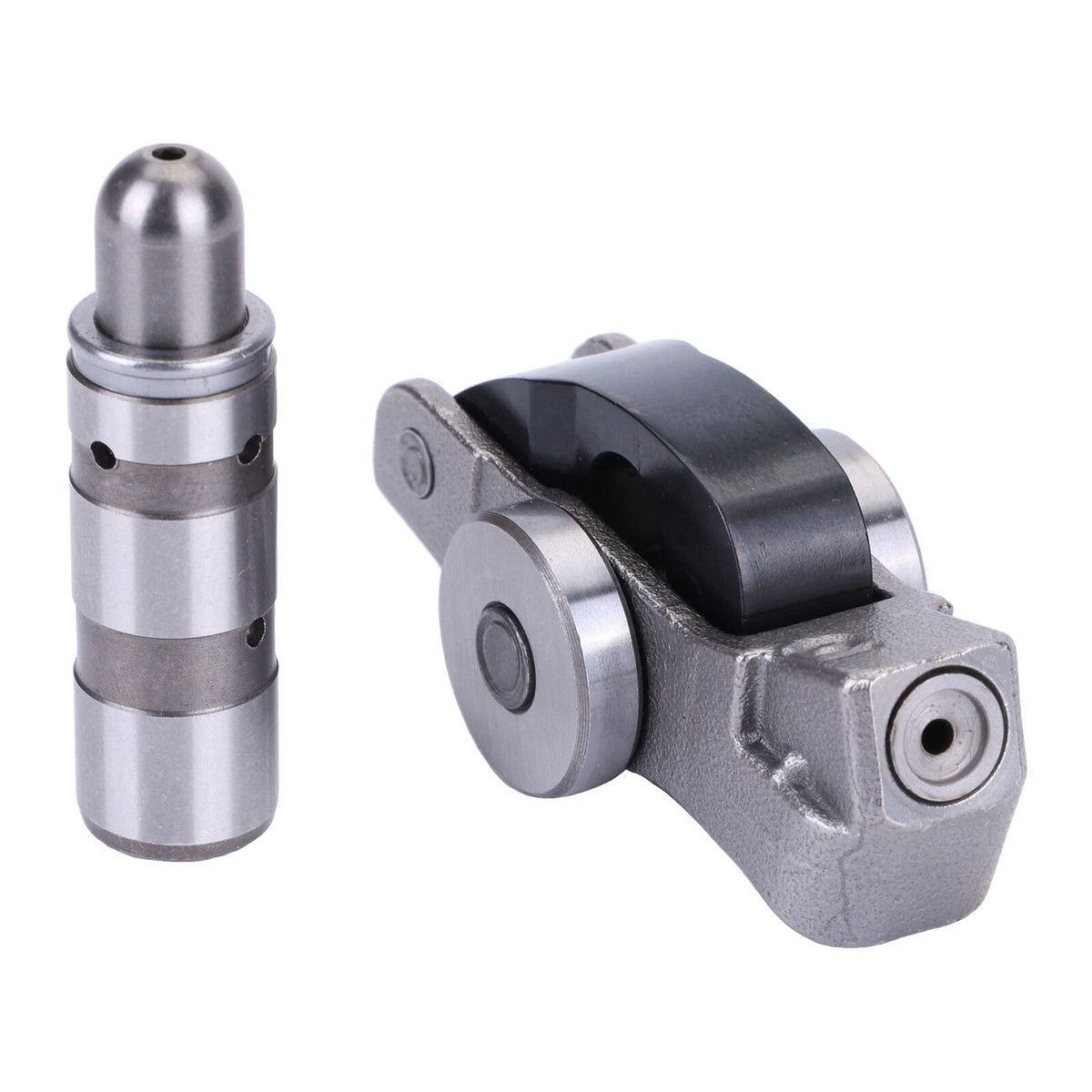
- New lifters (usually replaced in sets)
- Valve cover gaskets
- Intake manifold gaskets
- Engine oil and filter
- Optional: New camshaft if there is significant wear
Replacement Cost: What To Expect
Lifter replacement on a Jeep Grand Cherokee can be expensive due to labor and parts. Here’s a comparison of typical costs:
| Repair Type | Parts Cost | Labor Cost | Total Estimate |
|---|---|---|---|
| DIY Replacement | $200–$500 | — | $200–$500 |
| Professional Shop | $200–$600 | $800–$1,500 | $1,000–$2,100 |
| Dealer Service | $250–$800 | $1,200–$2,000 | $1,450–$2,800 |
Prices depend on your engine type, location, and whether there is extra damage (such as worn camshafts).
Comparing Lifters: Oem Vs Aftermarket
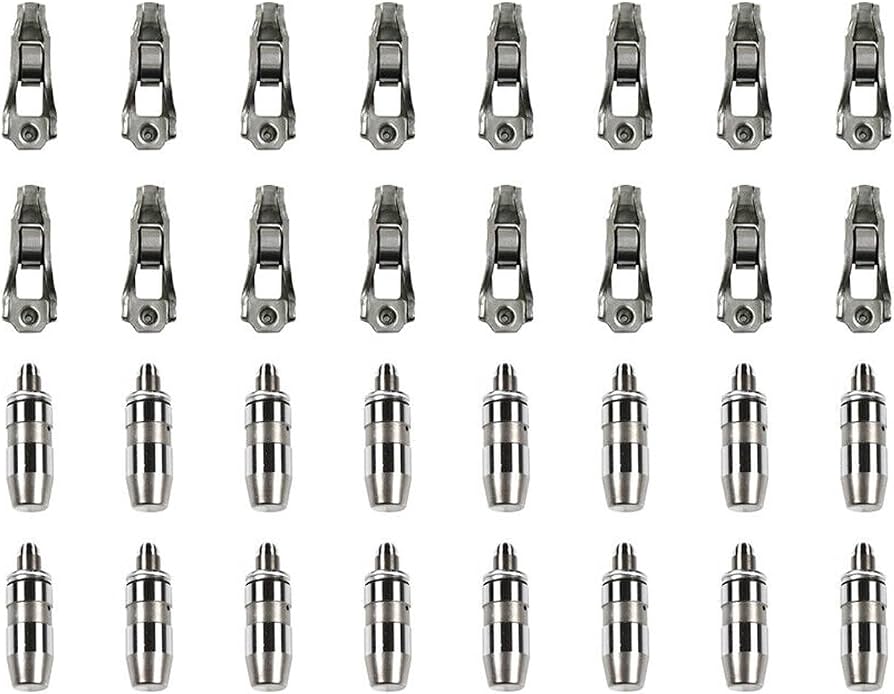
When choosing new lifters, you’ll find OEM (Original Equipment Manufacturer) and aftermarket options. Here’s a quick comparison:
| Lifter Type | Price Range | Reliability | Warranty |
|---|---|---|---|
| OEM | Higher | Consistent | Usually 12–24 months |
| Aftermarket | Lower | Varies by brand | 6–12 months |
OEM lifters often last longer, but some quality aftermarket brands offer good value. Always check reviews and warranty details.
Common Mistakes To Avoid
Many Jeep owners and even some repair shops make mistakes during lifter replacement:
- Skipping camshaft inspection: Worn cam lobes can quickly ruin new lifters.
- Reusing old gaskets: This can lead to oil leaks and extra repairs.
- Improper torquing: Not tightening bolts to the correct specs can cause engine problems.
It’s also important to use the right oil. Some lifter issues come from using oil with the wrong viscosity or skipping oil changes.
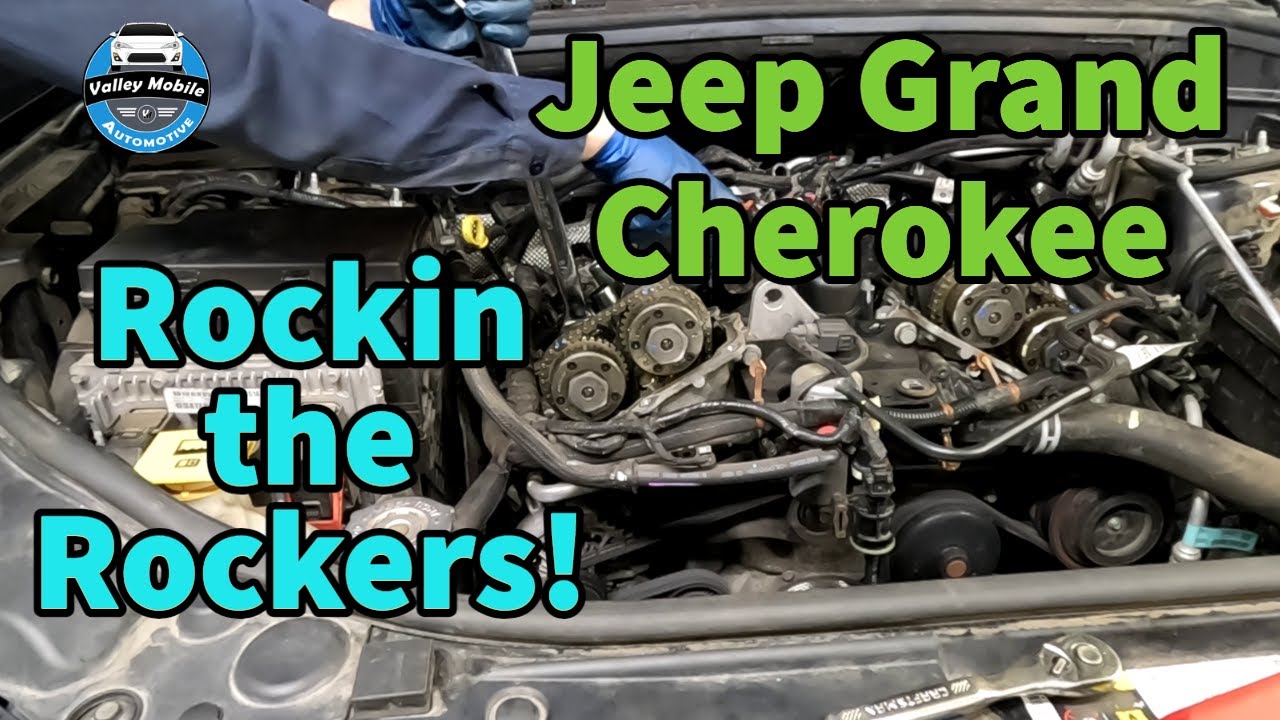
Two Insights Most Beginners Miss
- Valve train damage is often hidden: If your lifters are bad, other parts like rocker arms or push rods may also be worn. A full inspection saves repeat repairs.
- Short trips worsen lifter wear: Engines that rarely get fully warm (like those used for quick errands) often suffer more lifter issues. Warm oil is key to lifter health.
Should You Attempt Diy Lifter Replacement?
While it’s possible to replace lifters at home, this job is not for beginners. You need:
- A full set of tools
- A clean, organized workspace
- Engine knowledge and patience
Missing a step or making a mistake can lead to major engine damage. For most owners, a professional shop is the safer option.
How To Prevent Lifter Problems
- Regular oil changes: Use manufacturer-recommended oil and change it on schedule.
- Warm up your engine: Avoid short trips when possible.
- Listen for new noises: Address ticking or knocking sounds early.
- Fix oil leaks quickly: Low oil levels speed up lifter wear.
Many lifter problems are preventable with simple habits.