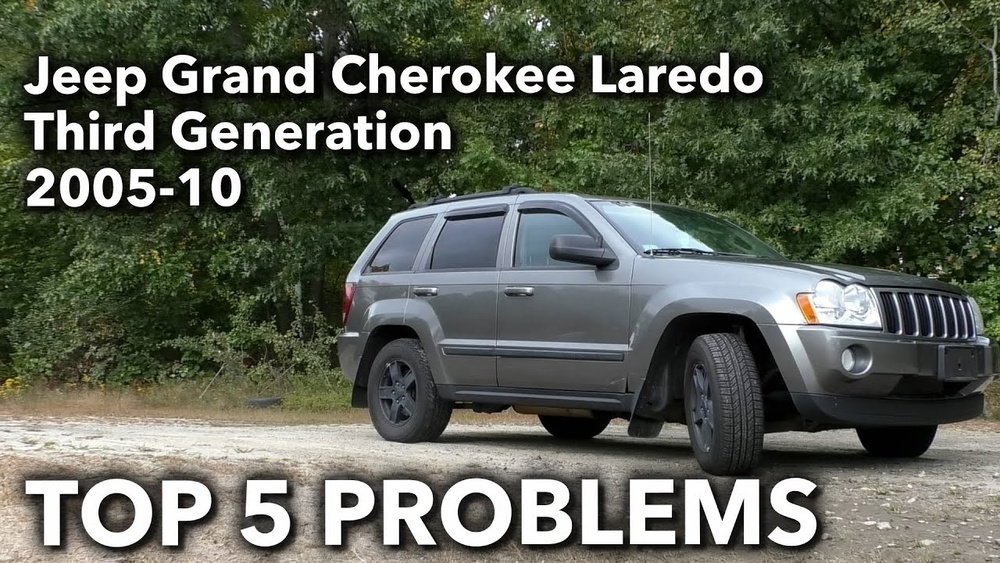
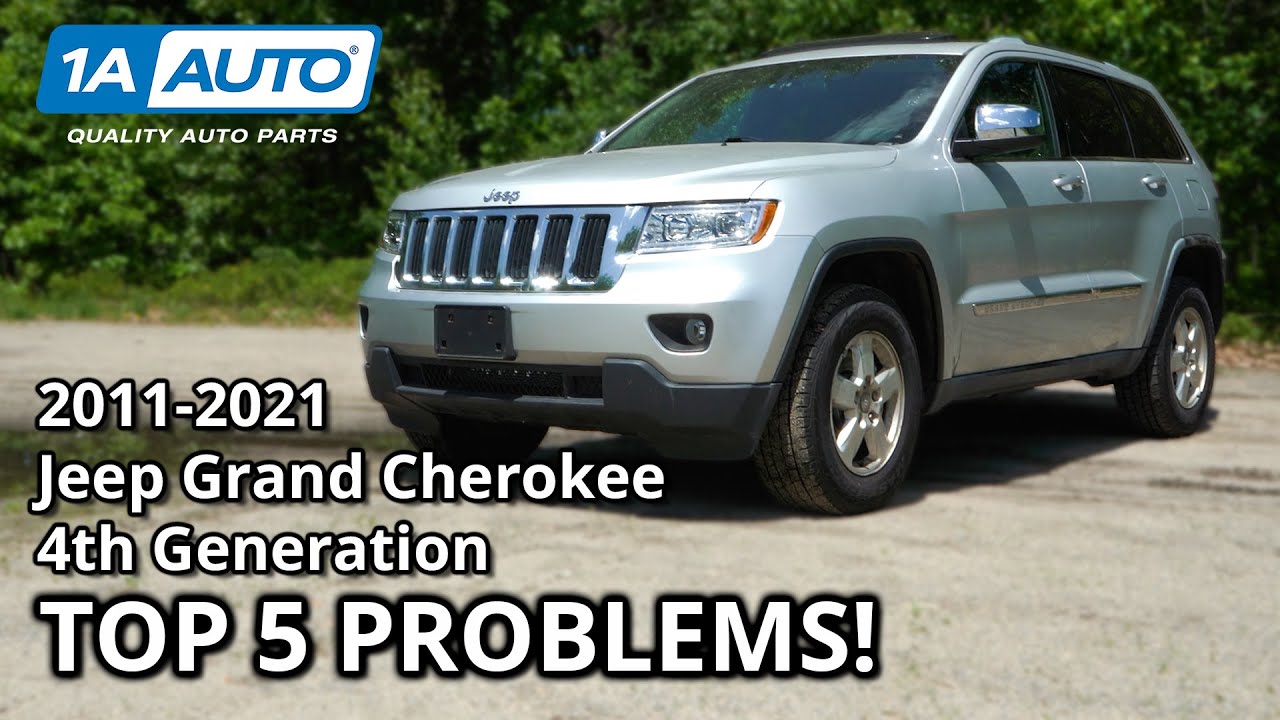
The Jeep Grand Cherokee Laredo is a popular midsize SUV, known for its rugged design and comfortable ride. Many drivers choose the Laredo for its affordability compared to higher trims.
However, like any vehicle, it has its share of problems. If you own a Grand Cherokee Laredo or plan to buy one, understanding these issues can help you avoid costly mistakes and maintain your SUV for years to come.
Common Mechanical Problems
Many owners report mechanical issues with the Grand Cherokee Laredo. While not every vehicle experiences these, some problems appear more often.
Engine Troubles
The Laredo’s 3.6L V6 engine is reliable overall, but some models have faced:
- Stalling and rough idling: Especially in models from 2011–2014. Often caused by faulty sensors or a dirty throttle body.
- Oil leaks: Gaskets and seals can wear out, leading to visible oil spots under the SUV.
Transmission Issues
Transmission problems are another concern. The 8-speed automatic is smooth, but some drivers notice:
- Slipping gears: Usually after 70,000 miles.
- Delayed shifting: Sometimes linked to low transmission fluid or software updates.
Here’s a comparison of transmission problems by model year:
| Model Year | Transmission Complaints | Avg. Mileage When Issues Start |
|---|---|---|
| 2012 | Medium | 65,000 mi |
| 2015 | Low | 80,000 mi |
| 2017 | Medium | 70,000 mi |
Electrical System Faults
The Grand Cherokee Laredo uses advanced electronics for safety and convenience. Still, these systems can fail, causing:
- Faulty power windows
- Malfunctioning infotainment
- Dash warning lights that won’t turn off
Suspension And Steering Issues
A smooth ride is one of the Laredo’s main appeals, but suspension and steering faults can spoil the experience.
- Premature wear of ball joints and tie rods: This can cause clunking noises and poor steering response.
- Shock absorber leaks: Some models have weak shocks, leading to rough rides on uneven roads.
Owners often notice these problems after driving on rough terrain or past 50,000 miles.
Interior And Comfort Concerns
While the Laredo’s cabin is comfortable, several complaints relate to interior quality and features.
- Peeling dashboard material: Especially in older models, the dashboard can crack or peel under sunlight.
- Broken seat adjusters: Power seats sometimes stop working, making it hard to find a comfortable position.
- Weak air conditioning: Some drivers report poor cooling during summer months.
Here’s a quick comparison of common interior complaints by year:
| Model Year | Dashboard Issues | A/C Problems | Seat Adjuster Faults |
|---|---|---|---|
| 2013 | High | Medium | Medium |
| 2016 | Low | Medium | High |
| 2019 | Low | Low | Low |
Safety System Limitations
Safety features are important, but some Grand Cherokee Laredo models have reported problems that could affect your security.
- Airbag recalls: Certain years were recalled for airbag deployment issues.
- Blind spot sensors: Sometimes fail or give false alerts.
- ABS and traction control warnings: These lights can turn on without a clear cause.
It’s wise to check recall history before buying a used Laredo.
Reliability Data And Real-world Insights
The Grand Cherokee Laredo scores around 3.5 out of 5 for reliability according to industry data. This is average for midsize SUVs. Most problems appear after 60,000 miles, but regular maintenance reduces risk.
Here’s a quick comparison of reliability scores versus competitors:
| Model | Reliability Score (out of 5) | Avg. Repair Cost/year |
|---|---|---|
| Grand Cherokee Laredo | 3.5 | $500 |
| Toyota Highlander | 4.2 | $400 |
| Ford Explorer | 3.6 | $480 |
Many new owners overlook the importance of routine fluid changes and checking for recalls. These simple steps prevent bigger problems later.
- Water leaks in the cabin: Some Laredo models develop leaks around the windshield or sunroof, causing mold and electrical faults.
- Hidden corrosion under the body: Especially in snowy regions, salt can cause rust. Inspect under the vehicle even if the exterior looks perfect.
Tips For Avoiding Common Mistakes
- Always test drive the SUV and check for warning lights.
- Ask for service records to confirm regular maintenance.
- Use a trusted mechanic for a pre-purchase inspection.
- Check VIN for recall history on the official Jeep site.
Buying a used Laredo without inspection is risky. Many buyers regret skipping this step.
Cost Of Repairs And Maintenance
Jeep Grand Cherokee Laredo repair costs are slightly higher than average. Common repairs and their typical costs:
- Transmission repair: $1,800–$2,400
- Engine sensor replacement: $200–$400
- Suspension parts: $250–$500
- Dashboard repair: $150–$350
Routine maintenance (oil changes, tire rotation) is affordable, but neglecting small issues leads to bigger bills.
Frequently Asked Questions
What Year Of Grand Cherokee Laredo Is Most Reliable?
2016 and newer models have fewer complaints. They offer better electronics and improved transmission compared to older versions.
How Long Does A Jeep Grand Cherokee Laredo Last?
With proper care, most Laredo SUVs reach 150,000–200,000 miles. Regular maintenance and avoiding harsh driving conditions help extend lifespan.
Are There Any Major Recalls For The Laredo?
Yes, certain years had recalls for airbag issues and electrical faults. Always check the recall database before buying a used model.
Is The Grand Cherokee Laredo Expensive To Repair?
Repair costs are slightly above average for midsize SUVs. Some parts like transmission and electronics can be expensive if not maintained.
How Does The Laredo Compare To Other Suvs?
The Laredo offers good comfort and off-road ability but is less reliable than the Toyota Highlander. For more comparison details, visit Consumer Reports.
Jeep Grand Cherokee Laredo remains a strong choice for those who value style and performance. Knowing its common problems helps you stay ahead and enjoy your SUV for years.
If you take care of maintenance and watch for signs of trouble, the Laredo can be a dependable partner on the road.