When you think about upgrading your Jeep Grand Cherokee, one of the most impactful changes you can make is to swap out the wheels. Wheels do more than just hold up your tires; they define your vehicle's stance, affect its performance, and can dramatically change its look.
For the Jeep Grand Cherokee Laredo, choosing the right 18-inch wheels offers a fantastic balance of style, capability, and practicality.
The Laredo trim, often seen as the entry point for the Grand Cherokee experience, still carries the rugged DNA of its siblings. Equipping it with 18-inch wheels allows for a wider range of tire choices, from aggressive off-road options to comfortable, street-focused performance tires. This size is a popular choice because it provides a good compromise: large enough to look substantial on the SUV, but not so large that it compromises ride quality or tire sidewall protection, which is crucial for both on-road comfort and off-road durability.
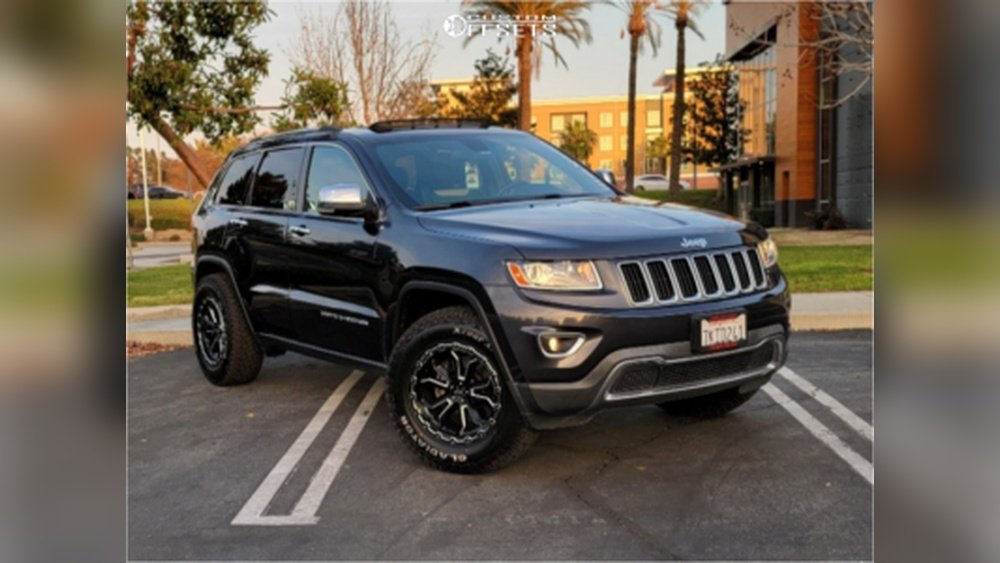
This article will explore various aspects of selecting and understanding 18-inch wheels for your Jeep Grand Cherokee Laredo. We’ll cover why this size is a great fit, what types of wheels are available, key considerations like materials and finishes, and important factors like fitment and offset. Whether you’re looking to enhance your Laredo’s off-road prowess, give it a more aggressive street presence, or simply replace worn-out wheels, understanding your options is the first step to making a choice you’ll love.
Why 18-inch Wheels Are A Sweet Spot For The Grand Cherokee Laredo
The Jeep Grand Cherokee Laredo is a versatile SUV, capable of handling daily commutes, family road trips, and even some light to moderate off-roading. The choice of wheel size plays a significant role in how well it performs in these different scenarios.
Eighteen-inch wheels hit a sweet spot for several reasons, offering advantages that smaller or larger wheels might not.
One of the primary benefits of 18-inch wheels is the tire-to-wheel ratio. When you move to larger wheels, you typically have to use tires with lower profile sidewalls. A lower profile means less rubber between the rim and the road. While this can improve handling on smooth pavement by reducing tire flex, it also means less cushioning for impacts. For the Grand Cherokee Laredo, which is often used for more than just city driving, a tire with a decent sidewall is essential. 18-inch wheels allow for tires with a healthy sidewall height, providing a more comfortable ride over bumps, potholes, and uneven terrain. This increased sidewall also offers better protection for the wheel rim itself from impacts, which is a significant advantage if you plan on venturing off the beaten path.
Furthermore, the availability of tire options for 18-inch wheels is vast. You can find a wide array of all-terrain tires, mud-terrain tires, and performance street tires in sizes that fit 18-inch rims. This flexibility means you can truly tailor your Laredo’s performance to your specific needs. If you need tires that can handle snow, mud, and gravel, there are plenty of rugged options. If your Laredo is primarily a highway cruiser, you can opt for quieter, more fuel-efficient touring tires. This wide selection ensures you’re not limited in your choice of rubber, allowing you to optimize for grip, comfort, durability, or fuel economy.
Finally, aesthetics play a big role. For many owners, the look of their vehicle is paramount. 18-inch wheels strike a pleasing visual balance on the Grand Cherokee Laredo. They fill the wheel wells adequately, giving the SUV a more planted and muscular appearance without looking overly aggressive or impractical. They are large enough to make a statement but don’t typically require suspension modifications to fit properly, unlike some larger wheel sizes that can cause rubbing issues. This makes them a practical upgrade for those seeking a visual enhancement that complements the Laredo’s inherent style.
Understanding Wheel Specifications For Your Laredo
When you're looking for new wheels, you'll encounter a lot of technical terms and numbers. Understanding these specifications is crucial to ensure the wheels will fit your Jeep Grand Cherokee Laredo correctly and perform as expected.
Incorrect fitment can lead to serious problems, including damage to your vehicle's suspension, brakes, or body panels.
The most critical specifications to consider are the wheel diameter, width, bolt pattern, offset, and center bore.
- Diameter: This is straightforward and refers to the overall size of the wheel, measured from one edge to the other. For this discussion, we are focusing on 18 inches.
- Width: This measures the distance across the wheel from bead seat to bead seat, typically in inches. A wider wheel can accommodate a wider tire, which can improve traction and handling, but it can also affect tire wear and fuel economy. The stock width for many Grand Cherokee Laredo models is around 7.5 to 8 inches, but aftermarket options can vary.
- Bolt Pattern: This is the arrangement of the lug nut holes. It’s expressed as a number of bolts followed by the diameter of the circle on which they are mounted. For most Jeep Grand Cherokees from recent generations, the bolt pattern is 5x127mm (or 5×5 inches). It is absolutely essential that your new wheels have the same bolt pattern to securely attach them to your vehicle’s hubs.
- Offset: This is a critical measurement that describes how the wheel mounts to the hub. It’s the distance from the wheel’s mounting surface (where it bolts to the hub) to the centerline of the wheel.
- Positive offset: The mounting surface is closer to the outside of the wheel. This pulls the wheel inward.
- Negative offset: The mounting surface is further from the outside of the wheel. This pushes the wheel outward.
- Zero offset: The mounting surface is exactly at the centerline.
Most Grand Cherokee Laredo models come with a positive offset, typically in the range of +50mm to +55mm. Choosing an offset that is too far from the factory specification can cause tires to rub against suspension components or fender flares, or it can put undue stress on your wheel bearings. While slight deviations might be acceptable, especially with wider wheels or tires, it’s best to stick close to the OE (Original Equipment) offset or consult with a wheel specialist.
- Center Bore: This is the hole in the center of the wheel that fits over the vehicle’s hub. If the center bore of the wheel is larger than your vehicle’s hub, you’ll need hub-centric rings to ensure a snug fit and prevent vibrations. Most aftermarket wheels designed for the Grand Cherokee will have a large enough bore or the correct one.
Tire Size Considerations With 18-inch Wheels
When you choose 18-inch wheels, the tire size you pair them with is just as important as the wheel itself. The overall diameter of the tire and wheel combination needs to remain close to the original factory size to ensure accurate speedometer readings, proper functioning of ABS and traction control systems, and to avoid any interference with suspension or bodywork.
For the Jeep Grand Cherokee Laredo, common factory tire sizes that pair well with 18-inch wheels include:
- 265/60R18: This is a very common factory size, offering a good balance of sidewall height and tread width.
- 245/65R18: This size has a slightly taller sidewall for more comfort and a narrower tread, which can be beneficial in certain off-road conditions like mud or snow.
- 255/65R18: Another option providing a taller sidewall and a bit more width than the 245.
When selecting aftermarket tires, always check the overall diameter of the new tire. You can usually find this information on the tire manufacturer’s website or by using online tire size calculators. Aim to keep the overall diameter within +/- 1% of the factory tire size. For example, if your factory tire is approximately 30.5 inches in diameter, you want your new tire and wheel combination to be between 30.2 and 30.8 inches. Deviating too much can lead to the issues mentioned earlier.

Popular 18-inch Wheel Styles For The Jeep Grand Cherokee Laredo
The aftermarket offers a vast array of 18-inch wheel styles, each designed to enhance the look and sometimes the performance of your Jeep Grand Cherokee Laredo. The choice often comes down to personal preference and the intended use of your vehicle.
Here are some popular styles you’ll find:
- 5-Spoke Wheels: These are a classic choice, offering a clean and sporty look. They are often easy to clean and can provide good brake cooling.
- Design Variations: You’ll see variations like thin, aggressive spokes, thicker, more robust spokes, or even concave designs that add depth.
- Material: Typically made from alloy, these wheels are lightweight and strong.
- Finish: Available in machined face with black or silver accents, all black, or chrome.
- Multi-Spoke Wheels: With six or more spokes, these can offer a more intricate and premium appearance. They often convey a sense of sophistication.
- Design: Spokes can be sharp and angular or more rounded. Some designs mimic racing wheels.
- Benefit: Can offer a strong visual presence and good load-bearing capacity.
- Consideration: More spokes can sometimes make cleaning a bit more involved.
- Mesh Wheels: Characterized by a pattern of interconnected spokes forming a mesh-like appearance, these wheels add a unique flair.
- Look: They can range from intricate, delicate patterns to bolder, more geometric designs.
- Impression: Often perceived as elegant or luxurious.
- Material: Usually alloy, providing durability.
- Off-Road/Tough Wheels: These are designed with ruggedness and off-road capability in mind. They often feature a more utilitarian and robust design.
- Features: Thick spokes, reinforced lips, and often a more concave profile to tuck the wheels in slightly for better protection.
- Finish: Commonly found in matte black, gunmetal, or satin finishes, which hide dirt and scratches well.
- Durability: Built to withstand impacts from rocks and debris.
- Simulated Beadlock Wheels: These wheels mimic the look of a beadlock wheel, which is used in extreme off-roading to keep the tire secured to the rim under low pressure.
- Appearance: They have a prominent ring around the outer edge, often with visible bolts.
- Functionality: For most street-driven vehicles, these are purely cosmetic but offer an aggressive off-road aesthetic.
- Note: True beadlock wheels are typically not street legal or recommended for daily drivers due to maintenance and safety concerns.
- Concave Wheels: This describes the shape of the wheel face, where the spokes curve inward towards the center.
- Effect: Creates a deep, aggressive look that can make the vehicle appear wider and more muscular.
- Fitment: Often require specific offsets to achieve the desired concave profile.
- Versatility: Can be found in various spoke configurations (5-spoke, multi-spoke, etc. ).
- Split Spoke Wheels: Instead of solid spokes, these wheels feature spokes that are divided or split, often creating a more complex and dynamic visual.
- Design: Can be split into two, three, or more sections per spoke.
- Aesthetics: Offers a modern and sometimes sporty or luxurious appearance.
- Deep Dish Wheels: These wheels have a significantly wide lip or “dish” extending from the spokes to the outer edge.
- Look: Creates a classic, retro, or muscular stance.
- Consideration: The deep lip can be more susceptible to damage from curbs or impacts.
- Offset: Often achieved with lower positive or even negative offsets.
- Blade/Turbine Wheels: These often feature spokes that are angled or shaped like blades, creating a sense of motion even when the vehicle is stationary.
- Style: Can be very sleek and modern, or more aggressive depending on the design.
- Finish: Frequently seen in polished or machined finishes to highlight the blade-like contours.
- Tire-Specific Designs: Some wheels are designed with specific tire types in mind. For example, wheels intended for aggressive mud-terrain tires might have more open designs for mud clearance.
- Two-Piece or Three-Piece Wheels: These are constructed from multiple sections bolted together.
- Customization: Offer a high degree of customization in terms of offset, width, and finish.
- Cost: Generally more expensive than one-piece cast wheels.
- Strength: Can be very strong and repairable.
- Forged Wheels: Made by compressing metal under extreme pressure, forged wheels are significantly stronger and lighter than cast wheels.
- Performance: Ideal for high-performance applications or extreme off-roading where weight savings and durability are paramount.
- Cost: The most expensive type of wheel.
- Design: Can be machined into complex, intricate designs due to their strength.
- Cast Wheels: The most common type of aftermarket wheel, made by pouring molten metal into a mold.
- Cost: Most affordable option.
- Weight: Generally heavier than forged wheels.
- Variety: Available in a huge range of styles and finishes.
- Flow-Formed Wheels: A hybrid manufacturing process that combines casting with spinning.
- Benefits: Lighter and stronger than traditional cast wheels, often approaching forged wheel strength at a lower price point.
- Performance: A good option for those seeking a balance of performance and value.
- Polished Wheels: These wheels have a mirror-like finish achieved through a polishing process.
- Appearance: Very shiny and reflective, adding a premium look.
- Maintenance: Require regular cleaning and polishing to maintain their shine, as they can be prone to oxidation and corrosion if neglected.
- Chrome Wheels: A layer of chrome is electroplated onto the wheel.
- Look: Extremely bright and reflective, often seen as flashy or luxurious.
- Durability: Can be prone to chipping or peeling over time, especially in harsh climates with road salt.
- Satin Finish Wheels: A smooth, non-glossy finish that offers a sophisticated, understated look.
- Appeal: Less reflective than gloss or chrome, often preferred for a more subtle or modern aesthetic.
- Maintenance: Generally easier to clean than high