If you own a Jeep Grand Cherokee L, keeping up with regular oil changes is one of the simplest ways to protect your engine. Many drivers underestimate how much of a difference clean oil can make.
A timely oil change helps your SUV run smoothly and can even save you money on repairs down the road. This guide walks you through everything you need to know about changing the oil in your Grand Cherokee L, whether you’re a first-timer or just looking for a refresher.
Why Oil Changes Matter For Your Grand Cherokee L
The engine oil in your Jeep does much more than just lubricate moving parts. It helps with cooling, cleaning, and sealing. Over time, oil breaks down and gets dirty. When that happens, your engine has to work harder, which means more wear and tear.
Skipping oil changes can lead to:
- Lower fuel efficiency
- Poor engine performance
- Costly engine damage
Jeep recommends following the maintenance schedule, but your driving habits also play a role. If you often drive in hot climates, tow heavy loads, or make many short trips, you may need to change oil more often.
Recommended Oil Type And Capacity
Every engine is different, so using the right oil is important. For the Jeep Grand Cherokee L, there are a few engine options. Here’s a breakdown of what you’ll typically need:
| Engine | Recommended Oil | Capacity (with filter) |
|---|---|---|
| 3.6L V6 | SAE 0W-20 Full Synthetic | 5.9 quarts |
| 5.7L V8 | SAE 0W-40 Full Synthetic | 7 quarts |
Full synthetic oil is best for modern engines. It keeps the engine cleaner and performs better in extreme temperatures.
When To Change The Oil
Most Jeep Grand Cherokee L models have an oil life monitor that lets you know when it’s time to change the oil. Still, it helps to know the general recommendations:
- Every 8,000–10,000 miles or once a year for normal use
- Every 5,000–7,500 miles for severe conditions (frequent short trips, towing, or dusty roads)
Check your owner’s manual for specific guidance. Ignoring the oil change reminder can shorten your engine’s lifespan.
Tools And Supplies Needed
Changing your own oil saves money and gives you a chance to inspect your vehicle. Here’s what you’ll need:
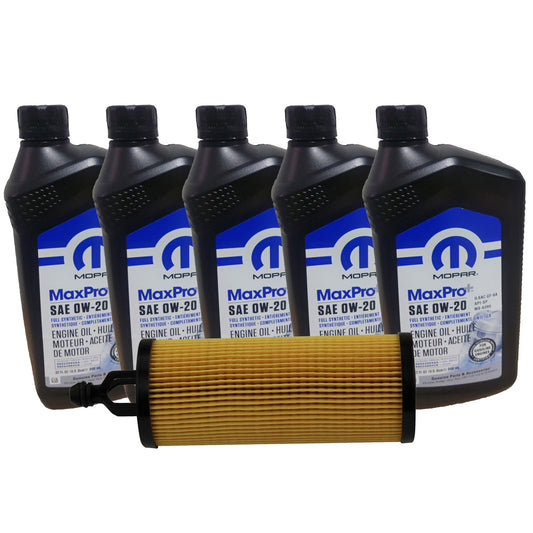
- Correct oil (see previous table)
- New oil filter (OEM or high-quality aftermarket)
- Socket set or wrench
- Oil filter wrench
- Oil drain pan (at least 8 quarts)
- Funnel
- Jack and jack stands or ramps
- Disposable gloves and shop towels
Buying the right filter is crucial. A poor-quality filter can cause leaks or fail to protect your engine.

Step-by-step Oil Change Process
Changing the oil on a Jeep Grand Cherokee L isn’t difficult if you follow these steps:
- Warm up the engine (run for 2–3 minutes). Warm oil drains faster.
- Park on a level surface and turn off the engine. Use ramps or jack stands for safety.
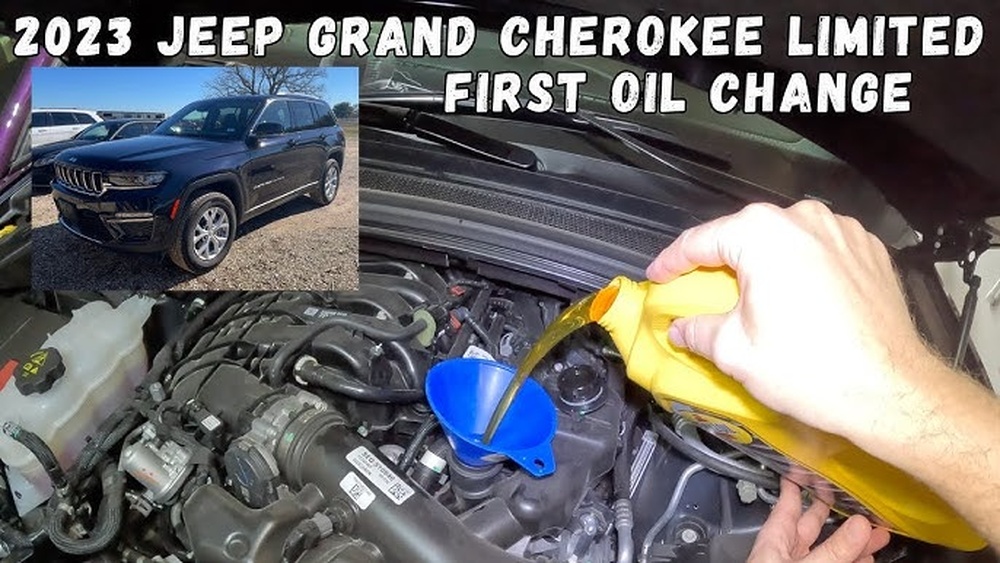
- Open the hood and remove the oil fill cap.
- Place the drain pan under the oil pan. Remove the drain plug with a wrench and let the oil drain completely.
- Replace the drain plug and tighten it to the recommended torque (usually around 25 ft-lb).
- Remove the old oil filter using the filter wrench. Some oil will spill—use towels.
- Lubricate the new filter gasket with a little fresh oil. Install the new filter by hand—do not overtighten.
- Add new oil through the fill hole. Use a funnel to avoid spills.
- Check the level with the dipstick after a few minutes. Top off if needed.
- Start the engine and let it run for 30 seconds. Check for leaks under the vehicle.
- Check oil level again and add more if necessary.
Dispose of the old oil and filter at a recycling center. Never pour oil down the drain.
Cost Comparison: Diy Vs. Dealership
Many owners ask if it’s worth changing the oil themselves or visiting the dealership. Here’s a simple cost comparison:
| Service Option | Estimated Cost | Pros | Cons |
|---|---|---|---|
| DIY Oil Change | $40–$70 | Cheaper, learn about your vehicle | Time, need tools, cleanup |
| Dealership | $100–$150 | Quick, warranty-safe, no mess | More expensive |
Doing it yourself saves money, but the dealership offers convenience and might include a free inspection.
Common Mistakes To Avoid
Even experienced DIYers can make small mistakes. Watch out for these:
- Using the wrong oil type or filter
- Not tightening the drain plug or filter enough (can cause leaks)
- Overfilling or underfilling oil
- Forgetting to reset the oil life indicator
Always check your manual before you start. If you see oil leaks after the job, stop and check everything again.
Resetting The Oil Life Indicator
After changing the oil, you need to reset the oil life monitor so the system can track the next interval. For most Grand Cherokee L models:
- Turn the ignition to “On” (do not start the engine).
- Press the gas pedal slowly three times within 10 seconds.
- Turn the ignition off.
The oil life should now be reset. If it doesn’t work, consult your owner’s manual or dealer.

Extra Tips For A Smoother Oil Change
- Lay down a tarp or cardboard to catch drips.
- Write down the date and mileage of each oil change.
- Replace the oil drain plug washer if it looks worn.
- If you tow often, consider changing oil more often than the manual suggests.
A small investment in time now can prevent expensive repairs later.