The Jeep Grand Cherokee is one of the most recognized SUVs on the road. Known for its blend of rugged performance and comfort, drivers often wonder about a practical detail: fuel tank capacity.
Whether you are taking long road trips or commuting daily, understanding how much fuel your Grand Cherokee can hold is essential for planning and budgeting. This guide explains the fuel tank sizes for different models and years, shows how it affects your driving range, and offers tips to make the most out of each fill-up.
Jeep Grand Cherokee Fuel Tank Capacity By Model Year
Fuel tank size can vary depending on the model year, engine, and trim. Most Grand Cherokees fall within a certain range, but there are important differences buyers and owners should know.
| Model Year | Standard Tank (gal) | Optional/Alternate (gal) |
|---|---|---|
| 2026 | 23.0 | 21.7 (4xe PHEV) |
| 2026-2026 | 24.6 | 21.7 (4xe PHEV) |
| 2011-2020 | 24.6 | 24.8 (Diesel) |
| 2005-2010 | 21.1 | 22.0 (SRT/Export) |
| 1999-2004 | 20.5 | 20.5 |
Key insight: Not all Grand Cherokees have the same tank size, even within the same generation. The 4xe plug-in hybrid and some diesel versions have slightly smaller tanks due to space for batteries or emissions equipment.
How Fuel Tank Size Impacts Driving Range
A bigger fuel tank does not always mean you can drive further without refueling. The actual range depends on both tank size and miles per gallon (MPG).
| Model | Tank Size (gal) | Combined MPG | Estimated Range (miles) |
|---|---|---|---|
| 2026 Grand Cherokee Laredo (V6) | 23.0 | 22 | ~506 |
| 2026 Grand Cherokee Limited (V8) | 23.0 | 17 | ~391 |
| 2026 Grand Cherokee 4xe (PHEV) | 21.7 | 23 (gas only) | ~499 |
| 2018 Grand Cherokee Diesel | 24.8 | 24 | ~595 |
Pro tip: Diesel models often have a higher MPG, giving them a much longer range even if the tank size is similar to gasoline versions. Plug-in hybrid versions can travel even further if you start with a full battery.
Why Fuel Tank Capacity Matters
Many drivers focus on MPG, but tank capacity is just as important, especially if you:
- Drive in rural areas with few gas stations
- Take frequent road trips
- Tow heavy loads (which lowers MPG)
- Want to reduce stops on long drives
A larger tank means fewer refueling stops, which saves time and can reduce stress on long journeys. However, a bigger tank also adds more weight when full, which can slightly decrease overall fuel efficiency.
Common Mistakes When Considering Fuel Tank Size
- Assuming all trims are the same: Many buyers think every Grand Cherokee has the same fuel tank, but hybrid and diesel models are different.
- Ignoring real-world MPG: Your actual range can be much lower if you drive fast, tow, or drive off-road.
- Overlooking payload limits: Filling a large tank adds up to 150 pounds or more. If you’re also carrying passengers and gear, be careful not to overload the SUV.
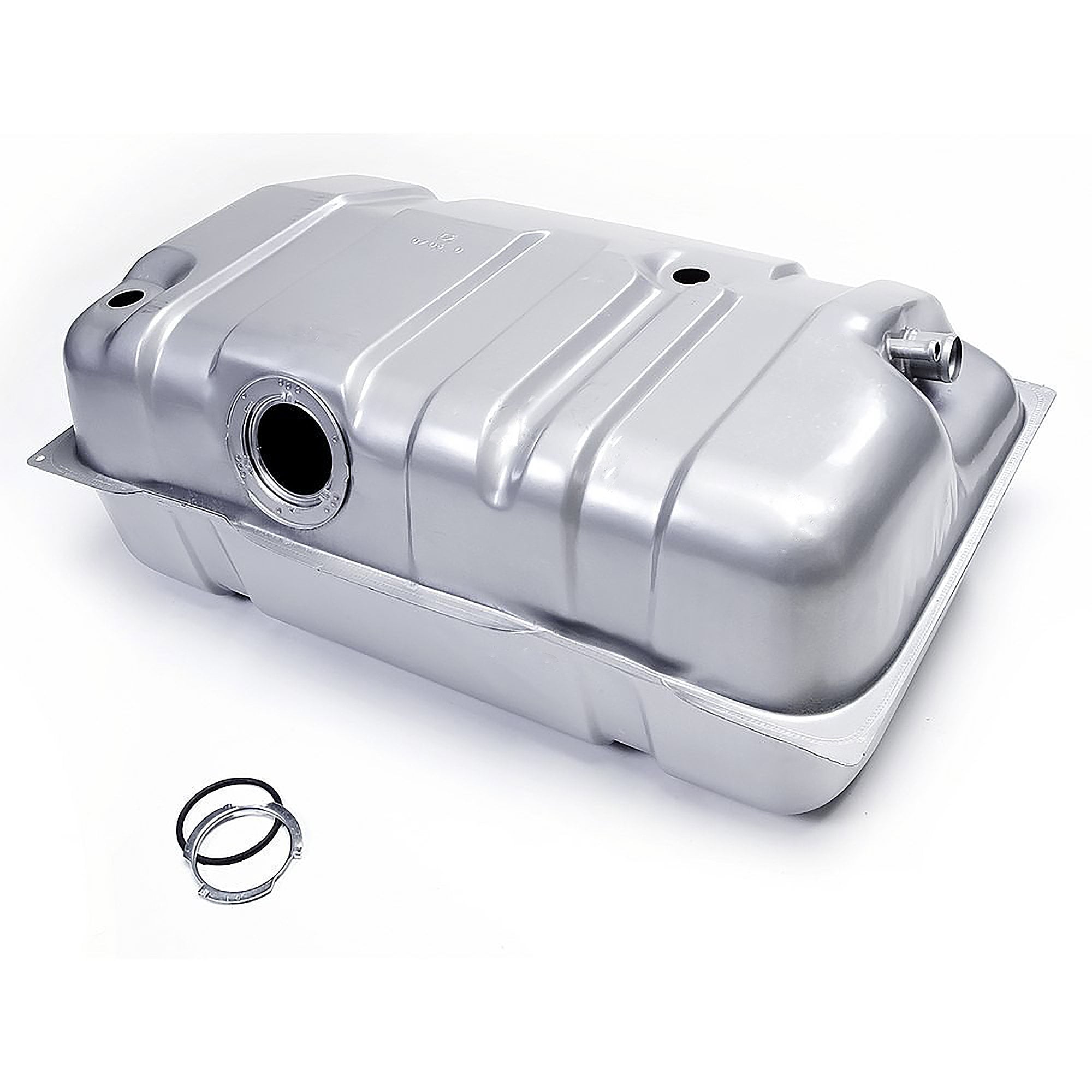
Making The Most Of Your Jeep Grand Cherokee’s Tank
To get the best range and value from your Grand Cherokee’s fuel tank:
- Monitor tire pressure: Underinflated tires lower MPG.
- Avoid aggressive driving: Fast starts and stops burn more fuel.
- Plan routes: Try to combine errands to reduce unnecessary driving.
- Use cruise control: It helps maintain steady speed on highways.
- Keep up with maintenance: Dirty air filters and old spark plugs can hurt fuel economy.
Non-obvious tip: If you have a 4xe or diesel, check your owner’s manual for recommended fuel types and additives. Some models need specific fuels for the emissions system to work properly.
Comparing Grand Cherokee To Other Suvs
How does the Grand Cherokee’s fuel tank size compare to other popular SUVs? Here’s a quick look:
| SUV Model | Fuel Tank Capacity (gal) | Typical Range (miles) |
|---|---|---|
| Jeep Grand Cherokee | 23.0 – 24.6 | 400 – 595 |
| Toyota 4Runner | 23.0 | 391 – 437 |
| Ford Explorer | 17.9 – 20.2 | 358 – 464 |
| Honda Passport | 19.5 | 390 – 468 |
| Chevrolet Blazer | 19.4 | 370 – 482 |
Insight: The Grand Cherokee’s tank is among the largest in its class, which is one reason it remains popular with drivers who want fewer fuel stops.