Jeep Grand Cherokee Forward Collision Warning Not Working: Troubleshooting Guide
The Forward Collision Warning (FCW) system in your Jeep Grand Cherokee is a vital safety feature designed to alert you to potential front-end collisions. It uses sensors, cameras, and radar to monitor the distance and speed of vehicles ahead.
When it detects a high risk of a crash, it provides visual and audible warnings, giving you precious seconds to react. However, like any complex automotive technology, it can sometimes malfunction.
If your Jeep Grand Cherokee's FCW system isn't working as expected, it can be a concerning issue, potentially compromising your safety. This guide will help you understand why this might be happening and how to address it.
This system, often part of a larger Advanced Driver-Assistance Systems (ADAS) suite, relies on precise calibration and clear sensor visibility. When it fails, it’s usually due to a few common culprits. These can range from simple, easily fixable issues like a dirty sensor to more complex problems requiring professional diagnosis. Understanding these potential causes is the first step toward getting your FCW system back online and ensuring your peace of mind on the road. We’ll explore the most frequent reasons for FCW failure and provide practical steps you can take to troubleshoot and resolve them.
Understanding How Forward Collision Warning Works
Before diving into troubleshooting, it’s helpful to understand the basic principles behind the FCW system. Most modern FCW systems, including those in the Jeep Grand Cherokee, utilize a combination of technologies to detect potential hazards. The primary components usually include:
- Radar Sensor: Typically mounted behind the front grille or bumper, this sensor emits radio waves that bounce off objects ahead. By analyzing the returning waves, the system can determine the distance and relative speed of other vehicles.
- Camera: Often located near the rearview mirror or integrated into the windshield, the camera helps identify lane markings and objects, complementing the radar’s data. It can distinguish between different types of objects, like vehicles, pedestrians, or cyclists.
- Control Module: This is the “brain” of the system. It processes data from the radar and camera, compares it against programmed parameters, and decides when to trigger a warning.
- User Interface: This includes the visual alerts on the dashboard or instrument cluster and the audible chimes or beeps that alert the driver.
The system continuously monitors the road ahead. If it calculates that a collision is imminent based on your vehicle’s speed, the speed of the vehicle in front, and the distance between you, it will issue a warning. The timing and intensity of these warnings can often be adjusted by the driver through the vehicle’s infotainment system. Some systems also include Automatic Emergency Braking (AEB), which can apply the brakes if the driver doesn’t react to the warning.

Common Reasons For Fcw System Malfunction
When your Jeep Grand Cherokee’s Forward Collision Warning system stops working, it’s rarely a single, mysterious cause. Instead, it’s usually tied to one or more of the following common issues:
Sensor Obstruction Or Damage
This is by far the most frequent reason for FCW system failure. The radar sensor and camera need a clear, unobstructed view of the road.
- Dirt, Mud, Snow, or Ice: Accumulation on the front grille, bumper, or windshield can block the sensors. Even a thin layer of grime can interfere with the system’s ability to accurately detect objects.
- Debris: Small rocks, bugs, or other road debris can impact and damage the sensors, especially the radar unit.
- Aftermarket Accessories: Modifications like certain types of bug deflectors, light bars, or aftermarket grilles can sometimes interfere with the sensor’s line of sight.
- Recent Repairs: If your vehicle has recently undergone front-end repairs, the sensors might not have been reinstalled or calibrated correctly.
Pro Tip: Before assuming a complex electronic failure, always start by thoroughly cleaning the front of your vehicle, paying close attention to the area where the radar sensor is located (usually behind the Jeep logo on the grille) and the windshield area where the camera is mounted.
Calibration Issues
ADAS sensors, including those for FCW, require precise calibration to function accurately. This calibration ensures the system knows exactly where its sensors are pointing and how to interpret the data they receive.
- Windshield Replacement: If your windshield has been replaced, the camera’s calibration can be disrupted. The new windshield may have different optical properties, or the camera may have been moved during installation.
- Suspension Changes: Significant alterations to the vehicle’s suspension (e.g., lifting or lowering) can change the vehicle’s angle relative to the ground, requiring recalibration of the sensors.
- Accident Repair: Even minor front-end impacts can knock sensors out of alignment, necessitating recalibration.
- Software Updates: While less common, sometimes software updates can require recalibration of the associated hardware.
Recalibration is a specialized procedure that usually requires diagnostic tools and is performed by trained technicians. It’s not a DIY task for most owners.
System Settings
It’s possible the system is technically working, but its settings have been inadvertently changed, making it seem non-functional.
- FCW Disabled: The system might have been manually turned off through the vehicle’s infotainment system settings. Drivers sometimes disable it if they find the warnings too frequent or intrusive.
- Warning Sensitivity: The sensitivity setting might be turned down too low, meaning it only warns in extremely critical situations, or not at all in scenarios you expect it to.
- Speed Thresholds: Some systems allow adjustment of the speed at which FCW becomes active. If this threshold is set too high, it might not engage during lower-speed driving.
Checking the vehicle’s settings menu is a simple but crucial step. Consult your owner’s manual for specific instructions on how to access and adjust FCW settings.
Electrical Or Wiring Problems
Like any electronic system, the FCW can be affected by electrical issues.
- Loose Connections: Wiring harnesses connected to the sensors or control module could become loose due to vibrations or improper installation after repairs.
- Corrosion: Moisture intrusion can lead to corrosion in electrical connectors, disrupting signal flow.
- Blown Fuses: A fuse related to the FCW system or its components might have blown, cutting off power.
- Damaged Wiring: Wires can be chafed or damaged by road debris or during maintenance.
Diagnosing electrical issues often requires specialized knowledge and tools to trace wiring and test circuits.
Component Failure
While less common than sensor obstruction or calibration issues, the components themselves can fail.
- Faulty Radar Sensor: The radar unit itself can malfunction due to internal electronic failure.
- Faulty Camera: The forward-facing camera could develop internal issues, rendering it unable to provide clear images to the control module.
- Control Module Malfunction: The central control module that processes the data may fail.
Component failure typically requires replacement of the faulty part and often professional diagnosis to pinpoint the exact issue.
Troubleshooting Steps For A Non-working Fcw System
When you notice your Jeep Grand Cherokee’s Forward Collision Warning system isn’t working, don’t panic. Follow these steps systematically to identify and potentially resolve the problem.
Step 1: Check Your Owner’s Manual
This is always the first and most important step. Your owner’s manual is the definitive guide for your specific vehicle model and year. It will detail:
- How the FCW system is supposed to function.
- The location of the sensors.
- How to access and adjust the FCW settings through the infotainment system.
- Troubleshooting tips specific to your vehicle.
- The meaning of any warning lights related to ADAS systems.
Locate the section on Forward Collision Warning or Collision Warning System. Familiarize yourself with its operation and settings.
Step 2: Inspect And Clean Sensors
As mentioned earlier, obstructions are a leading cause of FCW failure.
- Locate Sensors: Identify the locations of the radar sensor and forward-facing camera. The radar is usually behind the front grille, often centered. The camera is typically mounted on the windshield near the rearview mirror.
- Visual Inspection: Carefully examine these areas for any dirt, mud, snow, ice, or debris. Check the windshield for smudges or damage in the camera’s viewing area.
- Cleaning: Use a soft, damp cloth and a mild automotive cleaner or glass cleaner. Gently wipe down the grille area covering the radar sensor and the windshield around the camera. For stubborn dirt, you might need a slightly more robust cleaning solution, but always be gentle to avoid scratching. Ensure the area is completely dry afterward.
- Check for Damage: Look for any visible cracks, dents, or misalignments in the sensor housings or surrounding bodywork.
After cleaning, start your vehicle and see if the FCW system indicator light on the dashboard is now off, and if the system functions correctly.
Step 3: Verify System Settings
If cleaning the sensors doesn’t resolve the issue, the next step is to check the system’s configuration.
- Access Settings: Navigate through your Jeep Grand Cherokee’s infotainment system menu. Look for options related to Safety, Driver Assistance, Vehicle Settings, or similar categories.
- Enable FCW: Ensure that the Forward Collision Warning feature is toggled ON. It might be listed as “Collision Warning,” “FCW,” or a similar term.
- Adjust Sensitivity: If the system is enabled but still not working, check the Warning Sensitivity or Distance Setting. Try setting it to the Normal or Far setting. If it was already on a lower setting, changing it might make the system more responsive.
- Check Speed Thresholds: Some vehicles allow you to set a minimum speed for the FCW to be active. Ensure this is set appropriately for your driving conditions.
- Reset Settings (If Available): Some systems offer an option to reset ADAS settings to their factory defaults. This can sometimes clear minor software glitches.
Refer to your owner’s manual if you are unsure how to navigate these menus.
Step 4: Check For Warning Lights And Messages
Pay close attention to your instrument cluster.
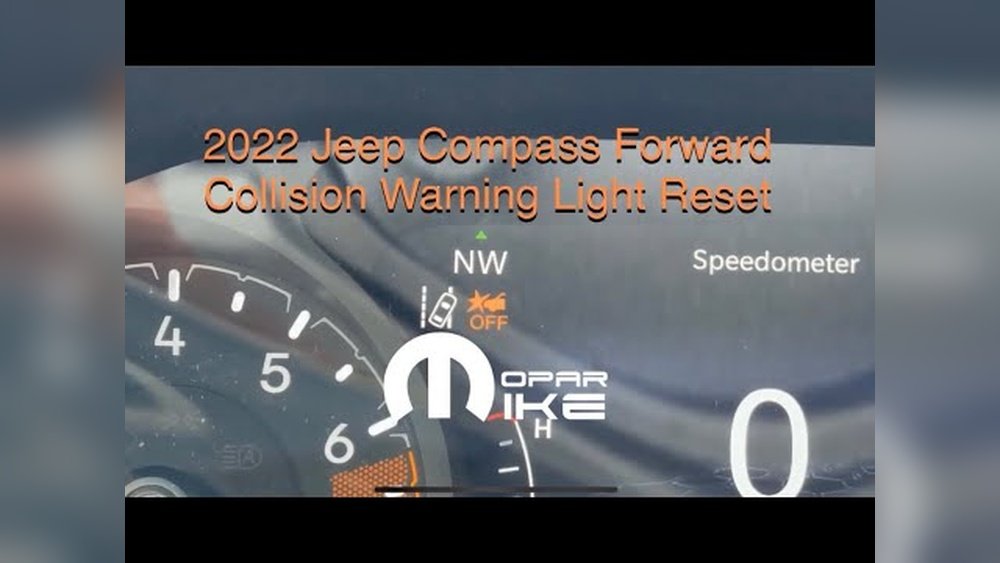
- FCW Indicator Light: Does a specific FCW warning light stay illuminated? This often indicates a system fault.
- General ADAS Warning Light: Some Jeeps have a general warning light for ADAS systems (often an exclamation point in a circle or a car with wavy lines behind it). This light suggests a broader issue within the driver assistance suite.
- Messages on Display: Check the driver information center for any specific messages related to the FCW system, such as “Forward Collision Warning Unavailable” or “Service Collision Warning System.”
These indicators are crucial clues that point towards a more significant problem that likely requires professional attention.
Step 5: Test In Different Conditions
The performance of FCW systems can vary depending on environmental factors.
- Weather: Heavy rain, snow, fog, or direct, intense sunlight can sometimes interfere with sensor performance. Test the system in clear, dry conditions.
- Road Markings: Poorly visible or missing lane markings can sometimes affect camera-based systems, although FCW primarily relies on detecting vehicles.
- Traffic Density: Try testing the system in moderate to heavy traffic where there are more opportunities for it to detect vehicles ahead.
If the system works intermittently or only under specific conditions, it might indicate a sensitivity issue or a problem that is exacerbated by certain environmental factors.
When To Seek Professional Help
If you’ve gone through the initial troubleshooting steps and your Jeep Grand Cherokee’s Forward Collision Warning system is still not working, it’s time to consult a professional. Attempting complex repairs yourself without the proper knowledge and tools can lead to further damage or safety issues.
Signs You Need A Mechanic
- Persistent Warning Lights: If a warning light related to the FCW or ADAS system remains illuminated after you’ve checked settings and cleaned sensors.
- Specific Error Messages: Any message on your dashboard indicating a system fault or the need for service.
- Visible Damage: Any signs of physical damage to the radar sensor, camera, or surrounding components.
- No Improvement After Basic Checks: If cleaning, checking settings, and testing in different conditions yield no positive results.
- Recent Accident or Repair: If the issue started after a collision or front-end work.
What A Mechanic Will Do
A qualified technician, preferably one familiar with Jeep vehicles and ADAS systems, will perform a more thorough diagnosis. This typically involves:
- Diagnostic Scan: Connecting a specialized diagnostic tool to your vehicle’s OBD-II port. This tool can read fault codes stored in the vehicle’s computer modules, providing specific information about the malfunction.
- Sensor Verification: Checking the diagnostic data from the radar and camera sensors to ensure they are communicating correctly and providing plausible readings.
- Wiring Harness Inspection: Thoroughly inspecting the wiring and connectors associated with the FCW system for any signs of damage, corrosion, or loose connections.
- Calibration Check: Verifying if the sensors are correctly calibrated. If not, they will perform a recalibration procedure using specialized equipment. This is crucial after any front-end work or component replacement.
- Component Testing: If necessary, they can test individual components like the radar module or camera to determine if they have failed and need replacement.
- Software Updates: Ensuring your vehicle’s software is up-to-date, as sometimes manufacturers release updates to fix known issues.
Cost Considerations
The cost of repair can vary significantly depending on the nature of the problem.
- Simple Fixes: Cleaning sensors or adjusting settings incurs no cost.
- Calibration: Recalibrating sensors typically costs between $100 and $300, depending on the complexity and the shop’s labor rates.
- Component Replacement: Replacing a faulty radar sensor or camera can be more expensive, ranging from $500 to over $1,500, including parts and labor. The price of ADAS components can be high due to their advanced technology.
- Wiring Repairs: Depending on the extent of the damage, wiring repairs can range from a few hundred dollars to over a thousand.
Always get a detailed estimate from the repair shop before authorizing work. If your vehicle is still under warranty, check if the FCW system issue is covered, as many ADAS components are included in extended warranties.
Advanced Troubleshooting And Potential Causes
While the common issues cover most scenarios, there are a few less frequent but still possible causes for FCW system failure that might require deeper investigation.
Software Glitches And Updates
Modern vehicles rely heavily on software. Sometimes, a temporary software glitch within the vehicle’s computer system can cause various features, including FCW, to malfunction.
- Intermittent Errors: These glitches might cause the system to work sporadically or stop working altogether