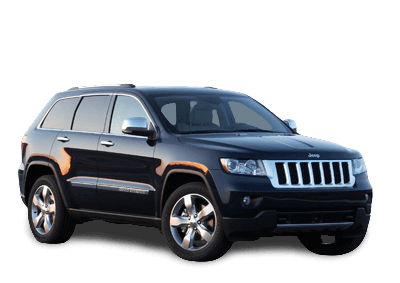
The Jeep Grand Cherokee is one of America’s most popular midsize SUVs. It’s known for its rugged design and strong off-road ability.
Many drivers love the comfort and features, but like any vehicle, the Grand Cherokee has some faults you should know about before buying or owning one. Understanding these problems can help you make better decisions and avoid costly repairs.
Common Mechanical Faults
The Grand Cherokee has faced several mechanical issues over the years. Some faults are more common in certain model years, while others affect many versions.
1. Transmission Problems
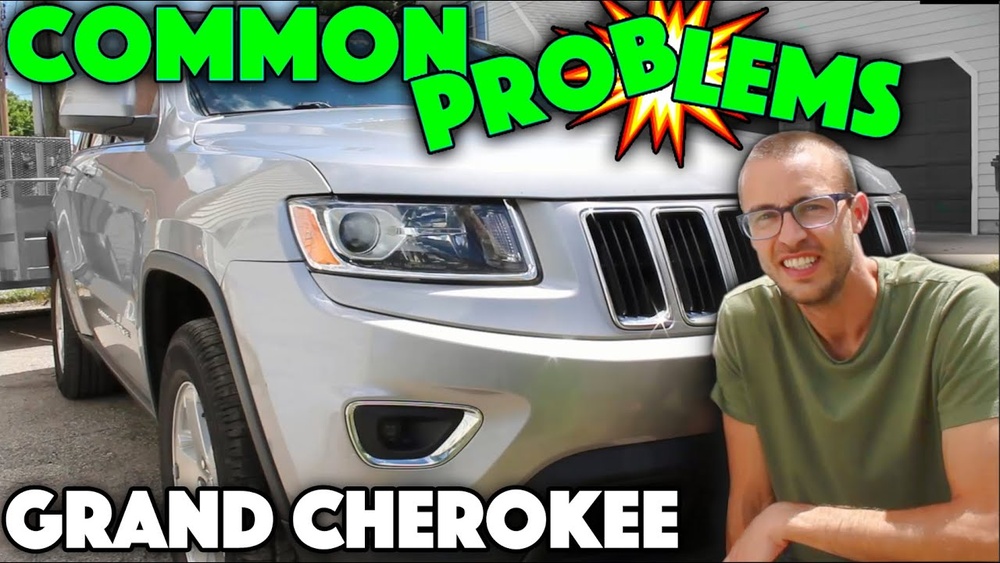
Many owners report issues with the automatic transmission. These problems include rough shifting, slipping gears, and sometimes complete transmission failure. The 2014–2015 models had a higher rate of complaints, especially with the eight-speed transmission. Repairs can cost between $2,500–$4,000, making this a serious concern.
2. Engine Stalling
Some models, especially between 2011–2013, experience engine stalling while driving. This can be dangerous. Causes include faulty fuel pumps or electrical issues. Jeep issued recalls for some affected vehicles, but not all owners got repairs covered.
3. Cooling System Leaks
Leaks in the radiator or water pump can lead to overheating. This is more common in older Grand Cherokees. A leak can cause the engine to overheat quickly, which might lead to expensive engine damage.
4. Electronic Gear Shifter Faults
The 2014–2016 Grand Cherokee used a monostable electronic gear shifter. Many drivers found it confusing, and some reported the vehicle rolling away after being parked. Jeep recalled over 1.1 million vehicles to fix this issue.
Grand Cherokee Fault Frequency Comparison
Here’s a look at how often these faults occur compared to other midsize SUVs:
| Fault Type | Grand Cherokee (per 1,000 cars) | Toyota Highlander | Ford Explorer |
|---|---|---|---|
| Transmission | 32 | 18 | 24 |
| Engine Stalling | 21 | 7 | 13 |
| Cooling System | 14 | 9 | 11 |
Electrical And Technology Faults
The Grand Cherokee comes with many advanced technology features, but these can sometimes cause problems.
1. Touchscreen Failures
The Uconnect infotainment system is a central feature, but some owners report the screen freezing, going blank, or rebooting randomly. This can affect navigation and phone connectivity.
2. Power Window Issues
Several model years experience power window failure. The windows may not go up or down, or the motor may make noise without moving the glass.
3. Keyless Entry And Start
Problems with keyless entry and push-button start are also common. Sometimes the system fails to recognize the key fob, making it hard to start the car.
Technology Faults By Model Year
See which years had the most technology complaints:
| Year | Touchscreen Issues | Power Windows | Keyless Start |
|---|---|---|---|
| 2014 | High | Medium | High |
| 2015 | Medium | Medium | Medium |
| 2016 | High | Low | Medium |
Safety And Recalls
Jeep has issued several recalls for the Grand Cherokee to fix safety-related faults. This is important for any buyer to check.
1. Airbag Recalls
Some models have faulty airbag modules. These may not deploy correctly in an accident, or they may deploy without warning.
2. Brake System Faults
A few years had problems with brake booster failure, making it harder to stop the car quickly. This could lead to accidents, especially in emergency situations.
3. Electrical Fires
Rare but serious, some Grand Cherokees had wiring harness issues that could cause fires under the hood.
Major Recalls Overview
A summary of the most significant recalls:
| Recall | Affected Years | Number of Vehicles |
|---|---|---|
| Gear Shifter Rollaway | 2014–2016 | 1,100,000 |
| Airbag Module | 2012–2014 | 260,000 |
| Brake Booster | 2011–2013 | 150,000 |
Non-obvious Faults And Owner Insights
Some faults are less obvious but can still affect your experience.
- Sunroof Leaks
Water leaks into the cabin from the sunroof are reported, especially after heavy rain. This can damage electronics and cause mold.
- Suspension Wear
The front suspension wears out faster if used for off-roading. Bushing and ball joint replacement may be needed every 60,000 miles, which is more frequent than many rivals.
- Premature Battery Drain
Some owners notice the battery drains quickly if accessories are left plugged in. The cause is often a faulty relay in the electrical system.
A beginner might miss these issues during a test drive, as they often appear after months of use.

Preventing Faults And Cost-saving Tips
To reduce the risk of faults and save money:
1. Check Recall History
Always check the recall history for your specific VIN at the official Jeep website.
2. Regular Maintenance
Follow the maintenance schedule strictly. Change fluids, inspect brakes, and check electronics.
3. Inspect Used Vehicles
Get a pre-purchase inspection from a trusted mechanic. They can spot hidden issues, especially with suspension and electronics.
4. Update Software
Ask the dealer to update the Uconnect system and other electronics. Software updates often fix bugs.
5. Protect Electronics
Avoid leaving accessories plugged in overnight. This can prevent battery drain and electrical faults.
Frequently Asked Questions