The Jeep Grand Cherokee is a favorite among SUV lovers for its power, off-road abilities, and comfort. But one important part that affects its performance and sound is the exhaust system.
Understanding the exhaust system can help you keep your Grand Cherokee running smoothly, improve fuel economy, and even change how your Jeep sounds on the road.
What Does The Exhaust System Do?
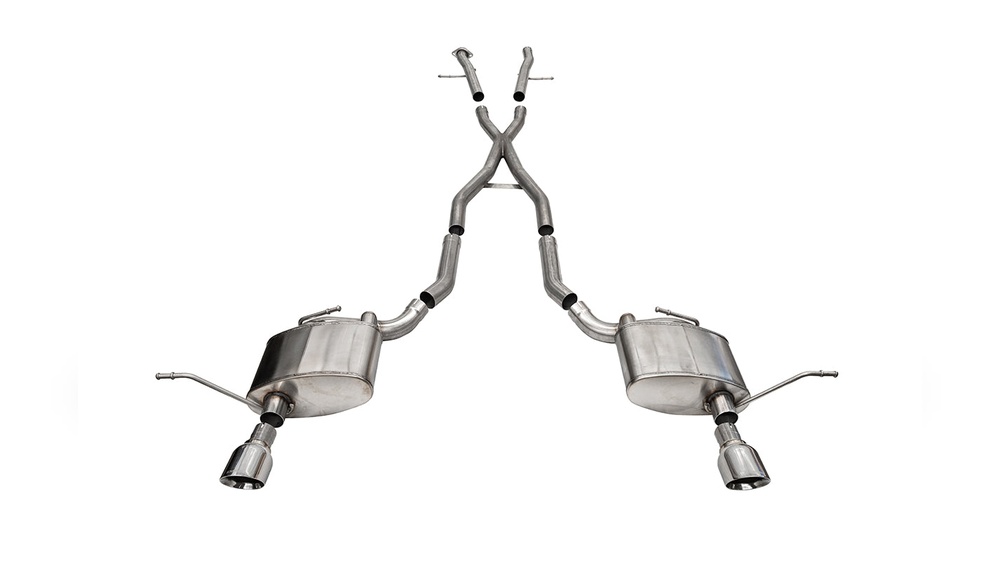
The exhaust system in the Jeep Grand Cherokee does more than just make noise. Its main jobs are:
- Remove harmful gases from the engine
- Reduce engine noise
- Improve engine performance
- Increase fuel efficiency
When working well, your exhaust system keeps the air cleaner and your engine healthier.
Key Parts Of A Jeep Grand Cherokee Exhaust System
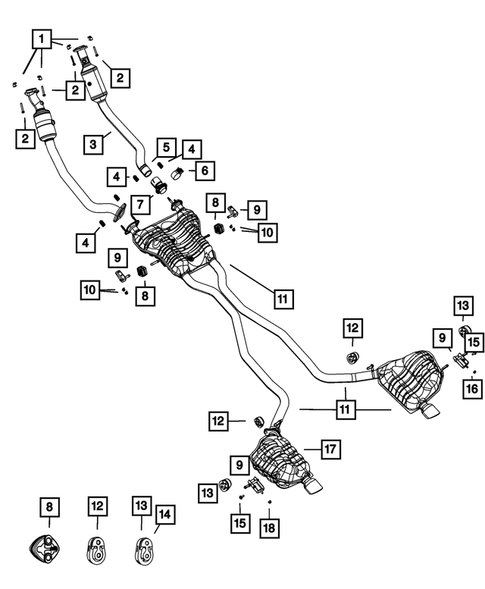
Each part of the exhaust system plays a special role. Here are the main components:
- Exhaust manifold – Collects gases from the engine cylinders.
- Oxygen sensors – Measure how much oxygen is in the exhaust.
- Catalytic converter – Reduces harmful emissions.
- Resonator – Adjusts sound and helps reduce noise.
- Muffler – Further quiets the engine noise.
- Tailpipe – Releases the gases out of the vehicle.
If one part fails, it can affect the whole system.

Common Problems And Signs Of Exhaust Issues
Jeep Grand Cherokee owners sometimes face exhaust problems. Watch out for these warning signs:
- Loud rumbling or hissing
- Decreased fuel efficiency
- Check engine light
- Bad smells (like rotten eggs)
- Visible rust or holes in pipes
Ignoring these symptoms can lead to bigger, more expensive issues.
Factory Vs. Aftermarket Exhaust Systems
You can choose between factory (OEM) and aftermarket exhaust systems for your Grand Cherokee. Both have pros and cons.
| Feature | Factory (OEM) | Aftermarket |
|---|---|---|
| Fit | Perfect fit, designed for Jeep | May require small adjustments |
| Sound | Quiet, stock sound | Can be louder or deeper |
| Performance | Standard power | Possible power boost |
| Price | Usually more expensive | Can be cheaper or pricier |
| Warranty | Covered by Jeep | Depends on the brand |
Factory systems are reliable, but many Jeep owners choose aftermarket exhausts for extra power or a sportier sound.
Performance Upgrades: Is It Worth It?
Many drivers upgrade their Jeep Grand Cherokee exhaust system to boost performance or change the sound. Here’s what you should know:
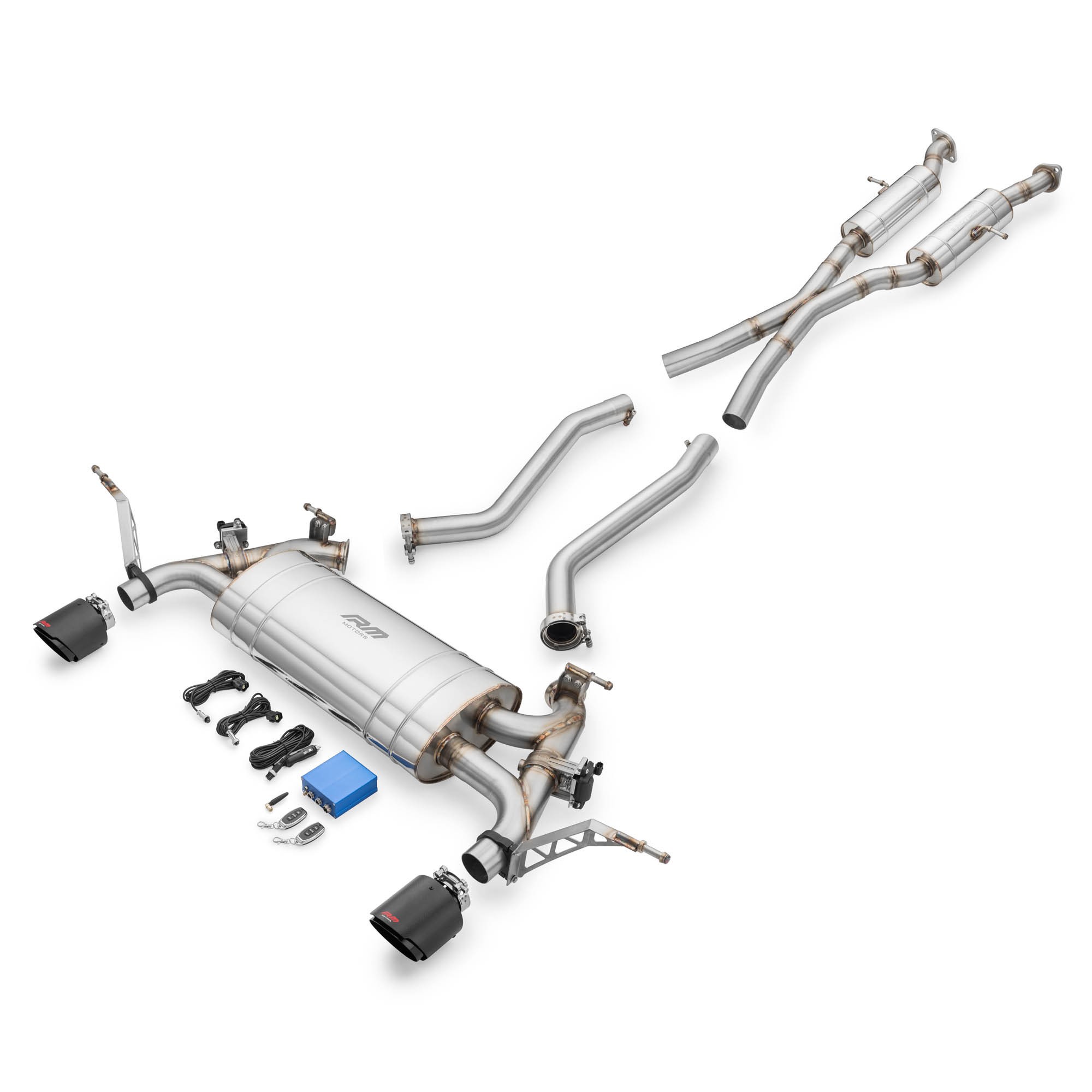
- Cat-back systems: Replace everything after the catalytic converter for better flow and sound.
- Axle-back systems: Replace only the muffler and tailpipe for a new sound.
- High-flow catalytic converters: Improve exhaust flow but may not be legal everywhere.
Upgrading can give you 5-15 more horsepower, but the biggest gains come with other engine mods. If you use your Jeep for towing or off-roading, a better exhaust may help the engine breathe easier.
Choosing The Right Exhaust System
When picking an exhaust for your Grand Cherokee, consider these factors:
- Material: Stainless steel lasts longer but costs more. Aluminized steel is cheaper but can rust.
- Sound: Decide if you want a quiet ride or a more aggressive tone.
- Legal rules: Some areas have noise or emission laws. Check local rules before buying.
- Budget: Prices range from $300 for basic to over $1,500 for premium systems.
Here’s a quick look at popular options:
| Exhaust System | Material | Sound Level | Approx. Price |
|---|---|---|---|
| OEM Replacement | Aluminized Steel | Stock Quiet | $300-$600 |
| Borla Cat-Back | Stainless Steel | Deep Growl | $900-$1,400 |
| Flowmaster Axle-Back | Stainless Steel | Louder Rumble | $500-$1,000 |
| MagnaFlow Full System | Stainless Steel | Sporty/Deep | $1,000-$1,500 |
Installation: Diy Or Professional?
Replacing an exhaust system is not always easy. If you have tools and experience, you can try a DIY installation. But many Jeep owners choose a professional shop to avoid leaks or noise issues.
Some systems need welding, while others use simple clamps and bolts. Always check the instructions and your warranty before starting.
Maintenance Tips For A Healthy Exhaust System
Keeping your Grand Cherokee’s exhaust in good shape is easy if you follow these tips:
- Inspect pipes and muffler for rust every six months.
- Listen for changes in sound after rough roads or off-roading.
- Fix leaks quickly to avoid bigger problems.
- Use high-quality fuel to keep the catalytic converter clean.
- Do not ignore the check engine light, especially if you smell exhaust inside the car.
A small crack or loose clamp can lead to bigger engine trouble if left alone.
Non-obvious Insights Jeep Owners Should Know
Many drivers think upgrading the exhaust is all about sound. But the exhaust system also affects your Jeep’s computer sensors and fuel-air mix. Installing the wrong system can cause the check engine light to come on or even reduce power if sensors read strange data.
Also, remember that a “louder” exhaust does not always mean better performance. Sometimes, the loudest systems can be tiring on long drives and may not pass inspections in some states.