The Jeep Grand Cherokee ECM is a vital component of your vehicle's electronic system. ECM stands for Engine Control Module, and it acts like the brain of your car.
It monitors and controls various engine functions to ensure optimal performance, fuel efficiency, and emissions. When this module malfunctions, it can lead to a wide range of problems, from minor annoyances to serious drivability issues.
Understanding what the ECM does, common problems, and how to address them is crucial for any Jeep Grand Cherokee owner.
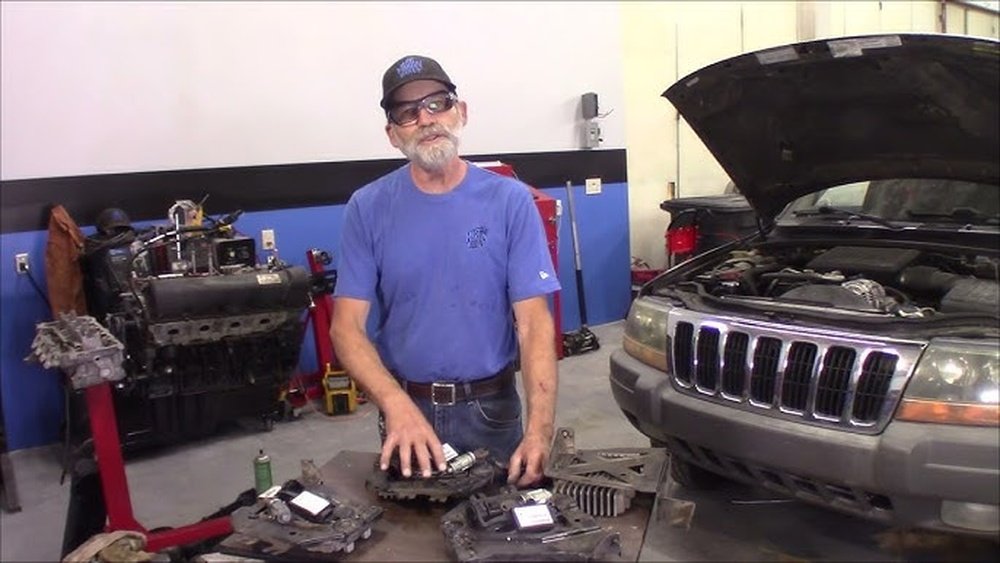
This article will guide you through the intricacies of the Jeep Grand Cherokee ECM. We will explore its primary functions, common symptoms of failure, diagnostic procedures, repair and replacement options, and preventative maintenance tips.
Whether you're experiencing a specific issue or simply want to be better informed about your vehicle's technology, this guide aims to provide clear, actionable information.
Understanding The Jeep Grand Cherokee Ecm
The Engine Control Module (ECM), also often referred to as the Powertrain Control Module (PCM) when it combines engine and transmission control, is a small computer that plays a central role in your Jeep Grand Cherokee’s operation. It receives data from a network of sensors located throughout the engine and other vehicle systems. Based on this data, the ECM makes real-time adjustments to various engine parameters.
Key Functions Of The Ecm
The ECM’s responsibilities are extensive and critical for the smooth operation of your Grand Cherokee. Its primary functions include:
- Fuel Delivery: The ECM precisely calculates the amount of fuel needed for combustion based on factors like engine speed, throttle position, air intake temperature, and oxygen levels in the exhaust. It then signals the fuel injectors to deliver the correct amount of fuel at the right time. This ensures efficient combustion and optimal fuel economy.
- Ignition Timing: The ECM determines the optimal time for the spark plugs to ignite the fuel-air mixture. This timing is constantly adjusted to maximize power output and minimize emissions across different driving conditions and engine loads.
- Air Intake Control: It manages the amount of air entering the engine, often by controlling the throttle body and sometimes variable valve timing systems. This helps maintain the correct air-fuel ratio for efficient burning.
- Emissions Control: The ECM plays a significant role in reducing harmful emissions. It manages systems like the Exhaust Gas Recirculation (EGR) valve, the catalytic converter, and oxygen sensors to ensure your vehicle meets environmental standards.
- Transmission Control: In many modern vehicles, including some Jeep Grand Cherokees, the ECM is integrated into a PCM that also manages the automatic transmission. It controls gear shifts, torque converter lock-up, and other transmission functions for smooth and efficient operation.
- Diagnostic Monitoring: The ECM constantly monitors the performance of various engine components and sensors. If it detects a problem, it will store a diagnostic trouble code (DTC) and often illuminate the Check Engine Light on your dashboard. This diagnostic capability is essential for troubleshooting.
How The Ecm Works: Sensors And Actuators
The ECM operates through a sophisticated network of sensors and actuators. Sensors gather information about the engine’s operating conditions, and actuators are components that the ECM controls to make adjustments.
Common Sensors:
- Mass Airflow (MAF) Sensor: Measures the amount of air entering the engine.
- Oxygen (O2) Sensors: Measure the amount of oxygen in the exhaust gases, helping the ECM fine-tune the air-fuel mixture.
- Throttle Position Sensor (TPS): Tells the ECM how far the accelerator pedal is pressed.
- Crankshaft Position Sensor (CKP): Monitors the engine’s rotational speed and the position of the crankshaft.
- Camshaft Position Sensor (CMP): Monitors the position of the camshaft(s).
- Coolant Temperature Sensor (CTS): Measures the engine coolant temperature.
- Manifold Absolute Pressure (MAP) Sensor: Measures the pressure inside the intake manifold.
Common Actuators:
- Fuel Injectors: Deliver fuel into the combustion chambers.
- Ignition Coils/Spark Plugs: Ignite the fuel-air mixture.
- Throttle Body: Controls the amount of air entering the engine.
- EGR Valve: Recirculates exhaust gases to reduce NOx emissions.
- Cooling Fan: Regulates engine temperature.
The ECM uses the data from these sensors to send precise electrical signals to the actuators, ensuring the engine runs as efficiently and cleanly as possible.
Common Symptoms Of A Failing Jeep Grand Cherokee Ecm
When the ECM begins to fail or malfunction, it can manifest in various ways. Some symptoms might be subtle, while others can be quite alarming.
Recognizing these signs early can prevent further damage and costly repairs.
Drivability Issues
One of the most common indicators of an ECM problem is a change in how your Jeep Grand Cherokee drives.
- Stalling: The engine may stall unexpectedly, especially when idling, coming to a stop, or at highway speeds. This can happen if the ECM is not properly regulating fuel or air intake.
- Rough Idling: The engine may idle unevenly, shake, or vibrate excessively. This is often due to incorrect fuel injection or ignition timing.
- Hesitation or Misfires: When you accelerate, the engine might hesitate, stumble, or feel like it’s misfiring. This suggests the ECM is not coordinating the fuel and spark properly.
- Loss of Power: You might notice a significant decrease in engine power, making it difficult to accelerate or maintain speed, especially uphill.
- Poor Fuel Economy: An ECM that is not accurately controlling the fuel-air mixture can lead to increased fuel consumption.
Electrical And Performance Problems
Beyond drivability, ECM issues can also affect other vehicle systems and overall performance.
- Check Engine Light (CEL) Illumination: This is often the first sign. The ECM stores DTCs when it detects a fault. While the CEL can indicate many different problems, a failing ECM is a common cause.
- Inconsistent Shifting (for PCMs): If your Grand Cherokee has a PCM controlling both engine and transmission, you might experience harsh or delayed gear shifts, or the transmission might not engage properly.
- Emissions Test Failures: The ECM is crucial for emissions control. If it’s not functioning correctly, your vehicle may fail an emissions test.
- Engine Overheating or Underheating: While less common, a faulty ECM can sometimes affect the cooling fan operation, leading to temperature regulation issues.
- Electrical Issues: In rare cases, a failing ECM can cause strange electrical behavior, such as flickering dashboard lights or issues with other electronic modules.
When a mechanic diagnoses your vehicle, they will look for specific DTCs. While many codes point to individual sensor or component failures, some codes can indicate a problem with the ECM itself.
These might include codes related to ECM internal faults, communication errors between modules, or persistent performance issues that cannot be traced to other components.
Pro Tip: It’s important to remember that the Check Engine Light can be triggered by hundreds of different issues, from a loose gas cap to a faulty oxygen sensor. A failing ECM is just one possibility, and thorough diagnosis is always necessary.

Diagnosing An Ecm Problem In A Jeep Grand Cherokee
Diagnosing an ECM issue requires a systematic approach. Because the ECM is the central control unit, problems can often be mistaken for issues with the sensors or actuators it controls.
Accurate diagnosis is key to avoiding unnecessary parts replacement.
Using Diagnostic Scan Tools
The first step in diagnosing any modern vehicle issue is using an OBD-II (On-Board Diagnostics II) scanner. This tool connects to a port usually located under the dashboard and communicates with the vehicle’s computer systems.
- Reading DTCs: The scanner retrieves any stored trouble codes. As mentioned, specific codes might point towards the ECM, but many codes relate to other components.
- Live Data Streaming: Advanced scanners can display real-time data from various sensors. Mechanics can monitor this data to see if sensors are providing expected readings, if the ECM is responding correctly to inputs, and if parameters like fuel trims or ignition timing are within normal ranges. For example, if the MAF sensor is reading a value, but the ECM is calculating fuel delivery as if no air is entering, it could indicate an ECM processing issue.
- Freeze Frame Data: When a DTC is set, the scanner often records “freeze frame” data, which shows the engine conditions (speed, temperature, load, etc.) At the exact moment the fault occurred. This can provide valuable clues.
Checking Sensors And Wiring
Before concluding the ECM is faulty, it’s crucial to rule out problems with the sensors and their wiring harnesses.
- Sensor Performance Tests: Using the scan tool’s live data or a multimeter, a technician can test the output of individual sensors to ensure they are functioning correctly.
- Wiring Harness Inspection: Damaged, corroded, or loose wiring can send incorrect signals to the ECM or prevent the ECM from sending signals to actuators. A thorough inspection of the wiring harness connected to the ECM and relevant sensors is essential. Look for signs of chafing, melting, or water intrusion.
- Ground Connections: The ECM relies on good ground connections to function properly. Corroded or loose ground points can cause erratic behavior.
Bench Testing And Module Swapping (advanced)
In some cases, a mechanic might perform more advanced diagnostics:
- Bench Testing: The ECM can be removed from the vehicle and sent to a specialized repair shop for bench testing. This involves connecting the ECM to a simulator that mimics the vehicle’s sensor inputs and allows technicians to verify its internal functions.
- Module Swapping: If a mechanic has a known good ECM for the same vehicle model and year, they might temporarily swap it into the suspect vehicle to see if the problem is resolved. This is a common diagnostic technique, but it’s important to ensure the replacement module is compatible and properly programmed.
Example: In my experience, a customer reported intermittent stalling and a P0300 (Random Misfire) code. After checking fuel pressure, spark plugs, and coils, we inspected the wiring harness leading to the ECM. We found a section where the insulation had rubbed through, causing intermittent short circuits. Repairing the wiring resolved the issue without needing to replace the ECM.
Repairing Or Replacing A Jeep Grand Cherokee Ecm
If diagnosis confirms the ECM is indeed faulty, the next step is deciding between repair and replacement. Both options have pros and cons.
Repairing The Ecm
ECM repair is often a viable and more cost-effective option than replacement, especially for older vehicles. Specialized repair shops can diagnose and fix internal circuit board issues, component failures, or corrosion within the module.
Pros of Repair:
- Cost Savings: Generally less expensive than buying a new or remanufactured ECM.
- Availability: Can be a good option if a direct replacement module is hard to find.
- Environmentally Friendly: Reusing the existing module reduces electronic waste.
Cons of Repair:
- Downtime: The vehicle will be inoperable while the ECM is removed and sent out for repair, which can take several days or even weeks.
- Limited Warranty: Repair warranties can vary significantly between shops.
- Not Always Possible: Some types of damage, like severe physical trauma or water immersion leading to extensive corrosion, may render an ECM irreparable.
Replacing The Ecm
Replacing the ECM involves installing a new, used, or remanufactured module.
- New ECM: This is the most expensive option but typically comes with the longest warranty.
- Used ECM: Sourced from a salvage yard. This is usually the cheapest option but carries the highest risk, as the module’s condition and history are often unknown, and warranties are minimal or non-existent.
- Remanufactured ECM: These modules have been rebuilt by a specialized company using new or reconditioned parts. They are tested to meet original specifications and usually come with a decent warranty, offering a good balance between cost and reliability.
Pros of Replacement:
- Faster Turnaround: Once you have the replacement module, the repair time is typically much shorter than sending the original out for repair.
- Warranty: New and remanufactured units come with warranties, providing peace of mind.
- Reliability: A properly functioning replacement unit restores the vehicle to its intended operating condition.
Cons of Replacement:
- Cost: New and remanufactured units can be significantly more expensive than repair.
- Programming: Many modern ECMs require programming or flashing after installation to match the vehicle’s VIN, mileage, and specific options. This often requires specialized tools and software, and may need to be done by a dealership or a qualified independent shop. Failure to program correctly can lead to the new ECM not working or causing further issues.
The Importance Of Vin And Programming
When replacing an ECM, it’s critical that the new module is compatible with your specific Jeep Grand Cherokee. Furthermore, for many model years, the ECM needs to be programmed or flashed with the correct Vehicle Identification Number (VIN) and other vehicle-specific data. This process ensures that the ECM communicates correctly with other modules in the vehicle (like the BCM – Body Control Module) and functions as intended. Some ECMs may also require immobilizer relearn procedures if the vehicle has an anti-theft system.
A common mistake is installing an ECM without proper programming, leading to the vehicle not starting or experiencing new electronic glitches. Always confirm the programming requirements with your mechanic or the ECM supplier.

Preventative Maintenance For Your Jeep Grand Cherokee Ecm
While ECMs are designed to be durable, certain maintenance practices can help prolong their life and prevent issues.
Keep The Engine Clean And Dry
- Avoid High-Pressure Washing Near Electronics: While washing your Jeep is important, avoid directly spraying high-pressure water at the engine bay, especially around the ECM and its connectors. Water intrusion can lead to corrosion and short circuits.
- Address Leaks Promptly: Leaking fluids (coolant, oil, power steering fluid) can drip onto electrical components, including the ECM, potentially causing damage over time. Fix any fluid leaks as soon as possible.
Maintain The Cooling System
- Regular Coolant Checks: The ECM can be sensitive to excessive heat. Ensure your cooling system is functioning correctly by checking coolant levels regularly and replacing the coolant according to the manufacturer’s recommendations. Overheating can stress electronic components.
- Check Cooling Fan Operation: Make sure the engine cooling fan(s) are operational. If they fail, the engine can overheat, potentially impacting the ECM.
Battery Maintenance
- Check Battery Health: A weak or failing battery can cause voltage fluctuations, which can be detrimental to sensitive electronic modules like the ECM. Ensure your battery is healthy and terminals are clean and tight.
- Proper Jump Starting: If you need to jump-start your Grand Cherokee, follow the correct procedure



















