If you drive a Jeep Grand Cherokee, you expect power, comfort, and off-road ability. But some owners have faced a scary problem called death wobble.
This violent shaking can turn a regular drive into a nerve-wracking experience. If you want to understand what causes death wobble, how to fix it, and how to stay safe, this article gives you the answers in simple, clear language.
What Is The Jeep Grand Cherokee Death Wobble?
The term death wobble describes a sudden, strong vibration in the steering wheel and front of the vehicle. It feels like the wheels are bouncing side to side rapidly. Many drivers report that it often happens after hitting a bump at highway speed. The shaking can be so intense that you may lose control or feel the need to stop immediately.
Death wobble is not just uncomfortable—it’s dangerous. Even experienced drivers can be caught off guard.
Some Jeep Grand Cherokees are more likely to have this problem, especially those with older solid front axles or those that have been lifted or modified.
Common Causes Of Death Wobble
Death wobble is rarely caused by just one thing. Usually, it happens because several parts are worn, loose, or damaged. Here are the most common causes:
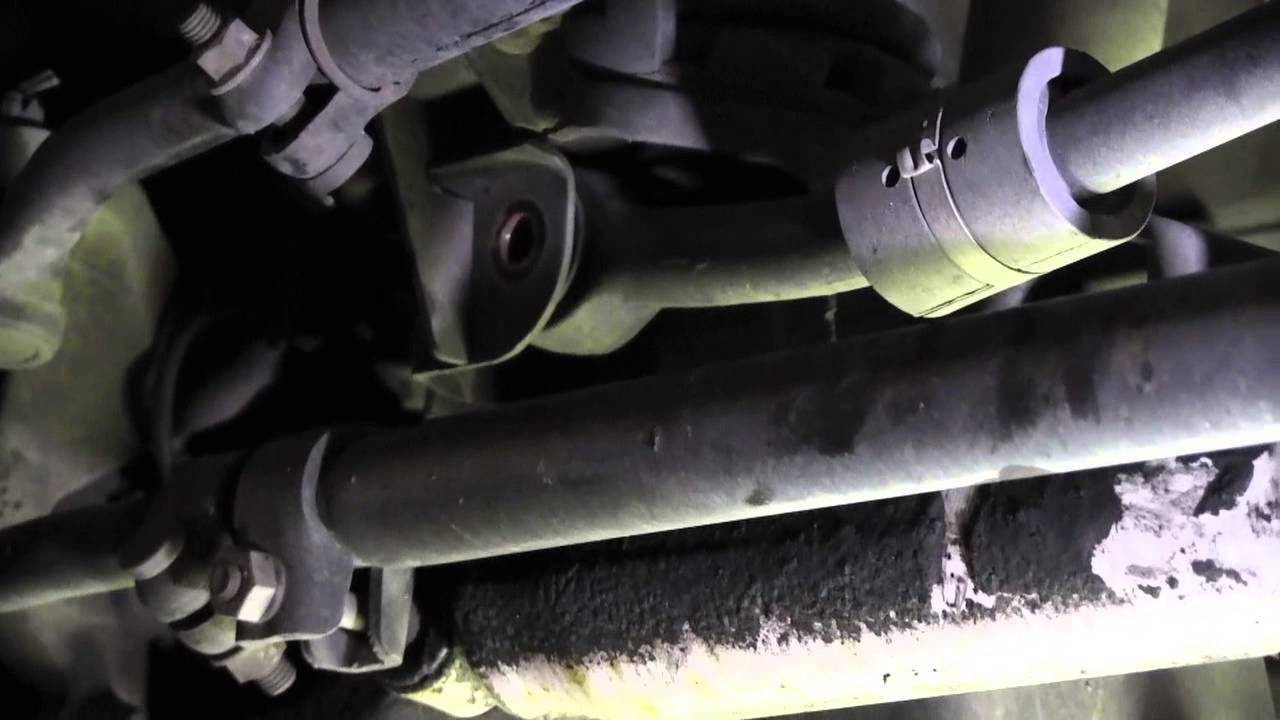
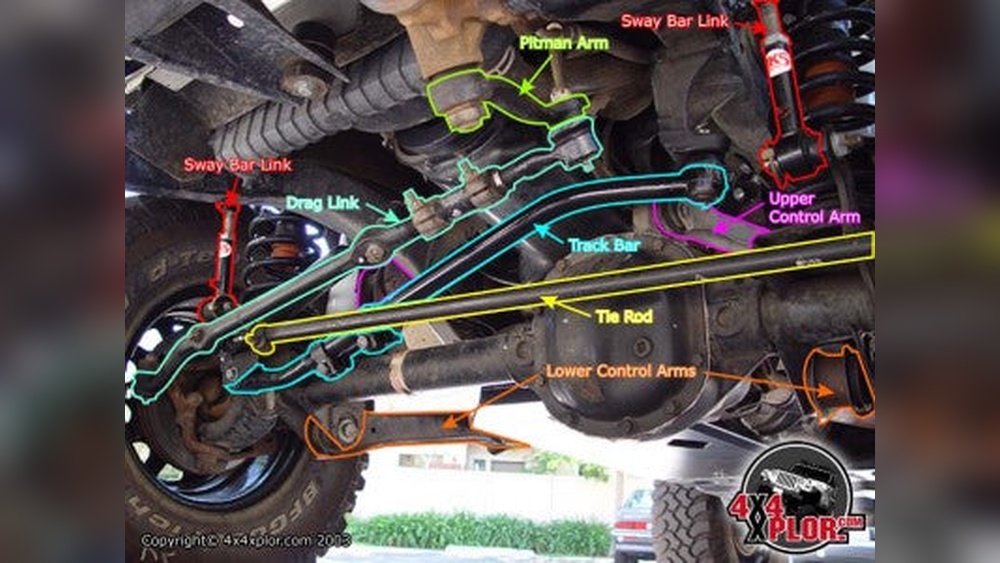
- Worn Track Bar Bushings: The track bar holds the axle in place. If its bushings are worn, the axle can shift, starting the wobble.
- Loose or Worn Tie Rod Ends: These connect the steering system. If they are loose, the wheels can move unexpectedly.
- Faulty Ball Joints: Ball joints let the wheels move up and down. When worn, they create extra movement.
- Unbalanced or Bent Wheels: If a wheel is bent or unbalanced, it can shake at higher speeds.
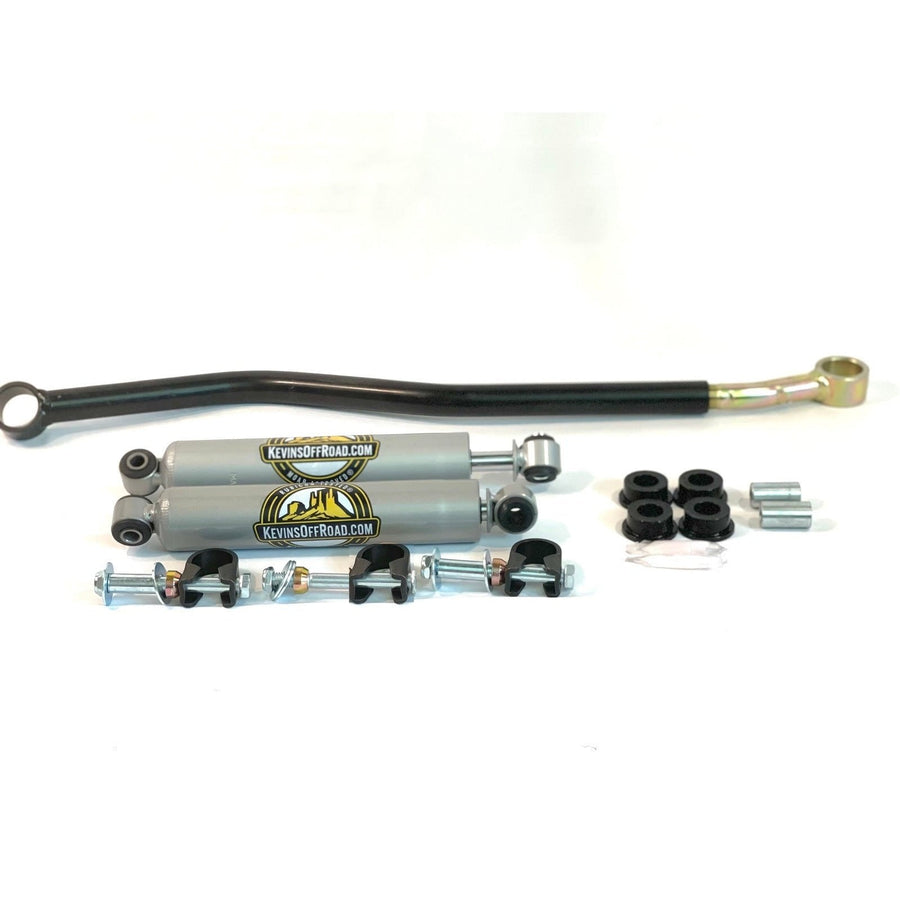
- Bad Steering Stabilizer: This shock absorber damps steering movement. If it fails, vibrations get worse.
- Loose Bolts in Suspension or Steering: Even a slightly loose bolt can trigger death wobble.
Surprisingly, even new Jeeps can develop death wobble if a key part is defective or installed incorrectly.

Key Signs And Symptoms
Recognizing death wobble early helps prevent larger problems. Look for these warning signs:
- Strong, fast shaking in the steering wheel
- The whole vehicle vibrates after hitting a bump
- Shaking only stops when you slow down or pull over
- Uneven tire wear or strange tire noises
If you notice any of these, inspect your Jeep as soon as possible. Ignoring them can lead to expensive repairs or accidents.
Which Jeep Grand Cherokees Are Most At Risk?
Not every Grand Cherokee is equally affected. Death wobble is most common in older models with solid front axles, such as the 1993–2004 (ZJ and WJ generations). However, lifted or modified Grand Cherokees from any year are at higher risk due to changes in suspension geometry.
Here’s a quick comparison of Grand Cherokee generations:
| Generation | Years | Death Wobble Risk | Front Axle Type |
|---|---|---|---|
| ZJ | 1993–1998 | High | Solid |
| WJ | 1999–2004 | Medium-High | Solid |
| WK | 2005–2010 | Low | Independent |
| WK2 | 2011–2026 | Very Low | Independent |
If you have a lifted or off-road modified Jeep, check all suspension components regularly.
How To Fix Death Wobble
Fixing death wobble is about finding and solving the root causes. Here are the steps most mechanics follow:
- Inspect All Suspension Parts: Look for worn bushings, ball joints, and tie rod ends.
- Check and Tighten Bolts: Even slightly loose bolts can cause problems.
- Replace Worn Parts: Always use high-quality parts. Cheap bushings or joints may not last.
- Balance and Align Wheels: Unbalanced wheels or bad alignment worsen vibrations.
- Upgrade Steering Stabilizer: This can help, but it’s not a cure on its own.
Here’s a quick guide to common fixes and their effectiveness:
| Fix | Estimated Cost | Effectiveness |
|---|---|---|
| Replace Track Bar Bushings | $100–$300 | High |
| New Tie Rod Ends | $150–$400 | High |
| Wheel Balancing | $50–$100 | Medium |
| Steering Stabilizer Upgrade | $80–$150 | Medium |
Tip: Many beginners miss the importance of checking every bolt for proper torque. Even professionals sometimes find a single loose bolt is the problem. Also, never assume the steering stabilizer will fix everything—it only masks deeper issues.
How To Prevent Death Wobble
Prevention is better than repair. Here’s how you can reduce your risk:
- Regular Inspections: Every 10,000 miles, check all steering and suspension parts.
- Use Quality Parts: Cheap aftermarket parts wear out faster.
- Avoid Aggressive Off-Roading: Hard impacts can bend or loosen parts.
- Keep Tires Balanced and Aligned: Do this every 6–12 months.
Most owners skip regular checks until there’s a problem. Staying ahead with maintenance saves money and stress.
Real-world Example
John, a 2001 Grand Cherokee owner, started feeling a shake at 60 mph. At first, he ignored it.
One day, after hitting a pothole, the steering wheel shook so hard he had to stop on the highway. A mechanic found a loose track bar bolt and worn tie rod ends.
After fixing these, the death wobble never returned.
This shows that even small problems can lead to big safety risks if ignored.
Frequently Asked Questions