Every driver knows the small sense of panic when a new light appears on the dashboard. For Jeep Grand Cherokee owners, understanding these dashboard lights can make the difference between a quick fix and a costly repair.
Today’s Grand Cherokee is packed with technology, which means your dashboard is full of important indicators. If you want to keep your SUV safe and running smoothly, it’s smart to learn what these symbols mean, which ones require urgent attention, and what you can do when one turns on.
Why Dashboard Lights Matter
Dashboard lights are more than just reminders. They are your vehicle’s main way to warn you of problems before they become serious.
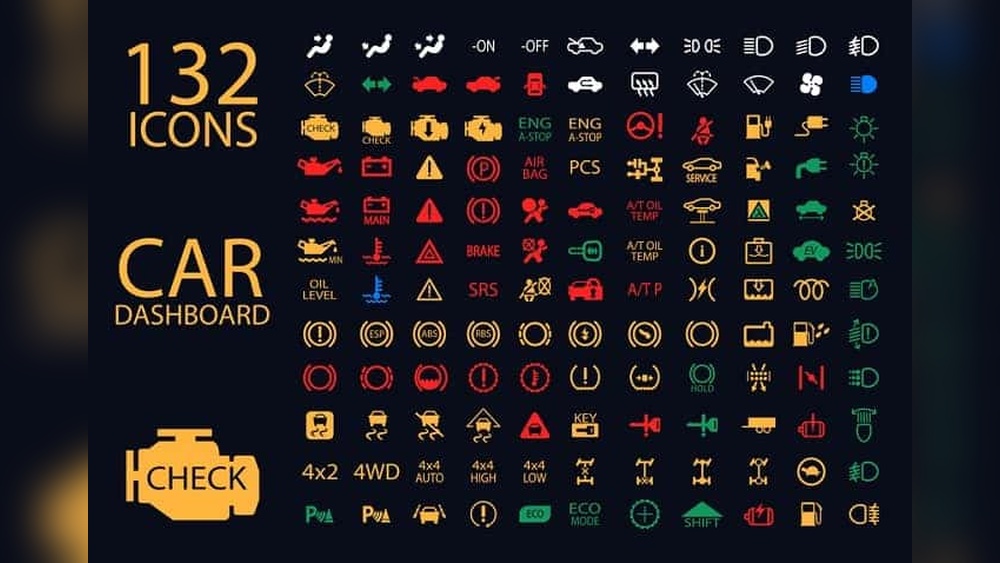
Some lights are simple alerts, like low fuel, while others signal problems that can damage your engine or put you at risk.
Ignoring them can lead to expensive repairs or even accidents.
Common Jeep Grand Cherokee Dashboard Lights
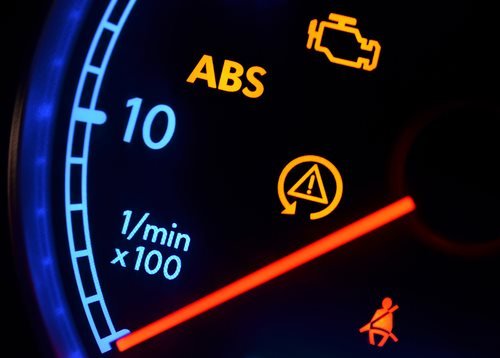
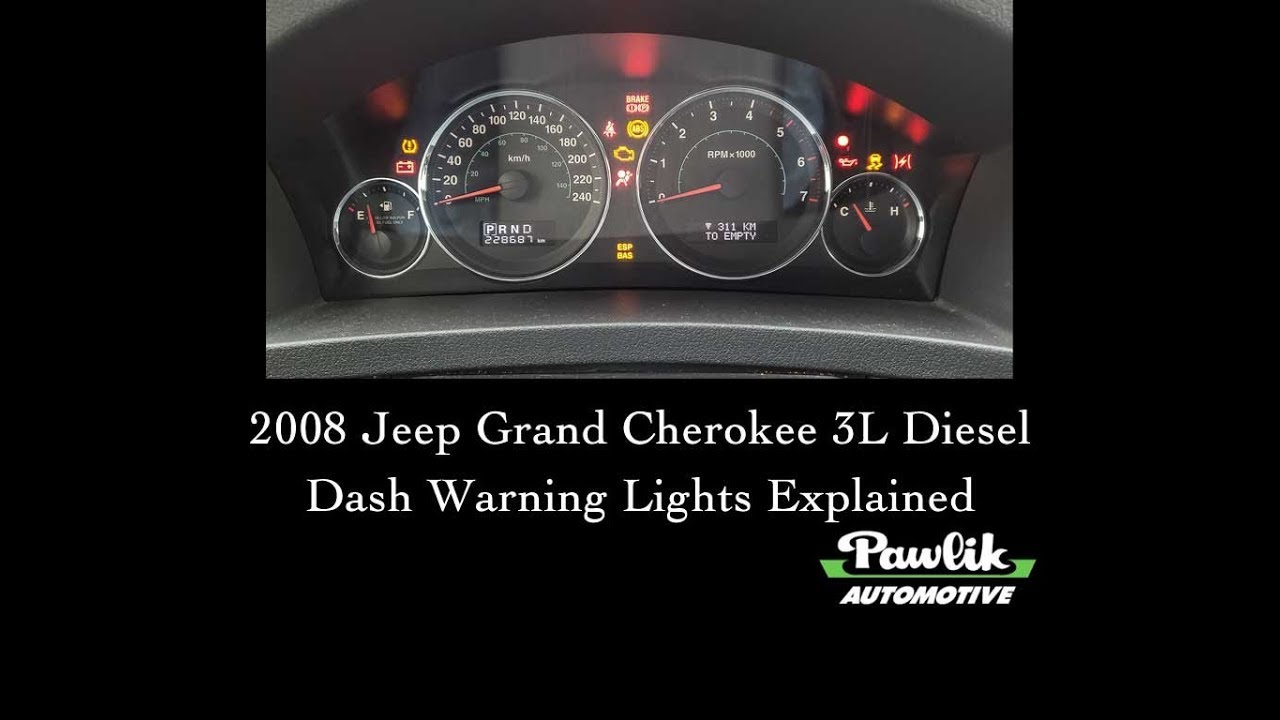
Let’s look at the most common lights you’ll find on your Grand Cherokee and what each one means:
| Icon | Light Name | What It Means |
|---|---|---|
| 🔴 | Engine Oil Pressure | Low oil pressure—stop engine immediately. |
| 🟡 | Check Engine | Possible engine or emissions problem. |
| 🟢 | Turn Signal | Turn signal is active. |
| 🟠 | Tire Pressure Monitoring | One or more tires have low pressure. |
| 🔵 | High Beam | High beam headlights are on. |
| ⚡ | Battery/Charging System | Problem with battery or charging system. |
Some lights like the check engine light are common in all vehicles, but others are specific to newer Jeep models. For example, the adaptive cruise control and lane departure warning indicators relate to advanced safety features.
What To Do When A Light Turns On
Not every dashboard light means you need to pull over right away. Here’s a quick reference for handling different colors:
| Color | Urgency | What To Do |
|---|---|---|
| Red | High | Stop safely and check the issue immediately. |
| Yellow/Orange | Medium | Check soon. Safe to drive short distances. |
| Green/Blue | Low | Information only, no action needed. |
Red lights usually mean a safety problem—like oil pressure or brake system issues. If you see a red light, pull over safely as soon as you can. Yellow or orange lights are warnings. For example, if you see the tire pressure light, check your tires soon, but you don’t have to stop right away.
Less Obvious Dashboard Lights
Some dashboard symbols are not as well-known, but they’re just as important.
- Electronic Throttle Control (ETC) Light: Looks like a lightning bolt. Signals a problem with the throttle system, which can affect acceleration.
- Air Suspension Warning: Shows a vehicle with an arrow. Tells you there’s a problem with the air suspension system.
- Forward Collision Warning Light: Usually appears as a car with two lines in front. If it comes on, your collision warning system needs attention.
Many drivers are surprised to see the service 4WD light. This means there’s an issue with your four-wheel drive system. You can usually drive for a short time, but get it checked soon.
How To Reset Dashboard Lights
After fixing a problem, some lights may stay on. Most dashboard lights turn off automatically once the issue is fixed, but sometimes they need a reset. Here’s how you can reset them:
- Make sure all issues are fixed—do not just reset to hide a problem.
- Turn the ignition off, then back on. Sometimes this resets the light.
- For stubborn lights, disconnect the battery for a few minutes. Reconnect and check.
- Use an OBD-II scanner to clear codes. This tool plugs into your car and lets you reset warning lights.
If a light stays on after these steps, there may still be a problem. Never ignore a light just because you reset it.
Preventing Dashboard Light Warnings
You can avoid most dashboard alerts with good maintenance. Here are some tips:
- Check fluid levels (oil, brake, coolant) every month.
- Inspect tire pressure and tread every two weeks.
- Replace worn-out batteries and spark plugs as recommended.
- Schedule regular service with a certified Jeep technician.
One insight many owners miss: using low-quality fuel or oil can trigger warning lights, even if the engine seems fine. Also, aftermarket electronics (like remote starters) may confuse your dashboard system.
When To Visit A Mechanic
If you see a red warning light, stop and call a professional. For yellow lights, you can often drive safely to a service center. But if you notice strange noises, smells, or changes in how the Jeep drives, get it checked immediately.
Remember, not all mechanics have the right tools for a Grand Cherokee. Choose a shop with experience in Jeep vehicles.
This can save you both time and money.