A coolant leak in your Jeep Grand Cherokee can quickly turn from a minor inconvenience to a major headache. Coolant is vital for keeping your engine temperature steady. Without enough coolant, your engine can overheat, causing damage and expensive repairs. Many drivers ignore the early signs, but catching leaks early can save you money and stress. This article explains why leaks happen, how to spot them, and what you can do about them.
Common Causes Of Coolant Leaks In Jeep Grand Cherokee
Understanding why your Grand Cherokee might leak coolant is the first step to fixing the problem. Here are the most frequent reasons:
1. Radiator Cracks
The radiator can develop cracks from age, vibration, or impact. Even a small crack can cause leaks.
2. Damaged Hoses
Coolant hoses connect the radiator, engine, and heater. Hoses get brittle with time, leading to leaks at their ends or along their length.
3. Water Pump Failure
The water pump circulates coolant. If its seal wears out, coolant can leak underneath the vehicle.
4. Faulty Radiator Cap
A bad cap can’t hold pressure, causing coolant to escape and evaporate.
5. Intake Manifold Gasket Failure
This gasket seals coolant passages between the engine and manifold. Failure can lead to leaks inside or outside the engine.
6. Heater Core Leaks
The heater core sits behind your dashboard. If it leaks, you may notice coolant on the floor inside your car.
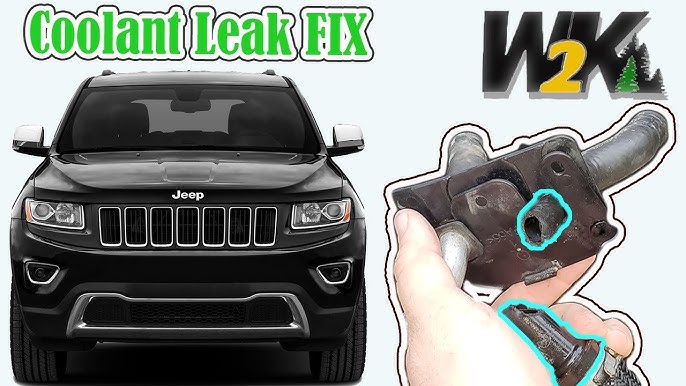
7. Thermostat Housing Issues
Cracks or bad seals at the thermostat housing can cause leaks near the engine.
Many leaks are caused by a combination of these issues. For example, old hoses and a failing radiator cap together can make the problem worse.
How To Spot A Coolant Leak
Finding a coolant leak early is important. Here’s what to look for:
- Puddle under the car: A green, orange, or pink fluid under your SUV is often coolant.
- Sweet smell: Coolant has a sweet smell. If you notice this inside or outside your vehicle, check for leaks.
- Low coolant warning: Your dashboard might show a warning when levels are low.
- Engine overheating: If the temperature gauge climbs, a leak could be the cause.
- Foggy windows: A leaking heater core can cause fog inside your car.
Sometimes, leaks are small and hard to see. In these cases, use a flashlight to inspect hoses, the radiator, and the water pump.
Look for wet spots, dried coolant residue, or corrosion.
Diagnosing The Leak: Step-by-step
If you suspect a leak, follow these steps:
- Check coolant level: Open the hood and check the reservoir. If it’s low, refill and monitor.
- Inspect visible components: Look at hoses, radiator, and water pump for wetness or residue.
- Pressure test: Many auto shops use a pressure tester to force leaks to appear.
- Check inside the cabin: Look under the dashboard for dampness, especially if you smell coolant.
- Examine engine oil: If oil looks milky, coolant may be leaking inside the engine—a serious issue.
Here’s a quick comparison of leak detection methods:
| Method | Accuracy | Cost | Time Needed |
|---|---|---|---|
| Visual Inspection | Medium | Free | 10–30 mins |
| Pressure Test | High | $20–$80 | 30–60 mins |
| Dye Test | High | $15–$40 | 20–40 mins |
Repair Options And Costs
The right repair depends on the leak’s location and severity. Here’s what you might expect:
- Replace hoses: $50–$150 parts and labor
- Radiator replacement: $400–$800
- Water pump replacement: $300–$700
- Radiator cap: $10–$35
- Intake manifold gasket: $350–$900
- Heater core: $500–$1,200
If you’re handy, some repairs (like hose or cap replacement) can be done at home. Others, such as heater core or intake manifold gasket, need professional help.
Here’s a quick comparison of repair costs for common leaks:
| Leak Location | DIY Possible? | Typical Cost | Difficulty |
|---|---|---|---|
| Hoses | Yes | $50–$150 | Easy |
| Radiator | No | $400–$800 | Medium |
| Water Pump | No | $300–$700 | Medium |
| Intake Gasket | No | $350–$900 | Hard |
| Heater Core | No | $500–$1,200 | Hard |
Preventing Coolant Leaks
Prevention is easier than repairs. Here’s how to protect your Jeep Grand Cherokee:
- Regular inspections: Check hoses, radiator, and coolant level every month.
- Flush coolant system: Change coolant every 30,000–50,000 miles or as advised in your owner’s manual.
- Use quality parts: Buy genuine or high-quality hoses and caps.
- Fix small leaks fast: Small leaks can turn into big problems if ignored.
- Avoid overheating: Never drive with the temperature gauge in the red.
A common mistake is ignoring a tiny leak, thinking it’s not important. Even a slow leak can cause overheating and engine damage.
Another mistake is using the wrong coolant type; always follow your owner’s manual.
Non-obvious Insights
Many beginners overlook the importance of checking under the dashboard. A heater core leak can go unnoticed for weeks, leading to bad smells and windshield fogging. Another tip: look for dried coolant on engine parts, which shows where leaks have happened—even if they aren’t leaking now.
For more details about cooling systems, visit the Wikipedia Cooling System Page.

Frequently Asked Questions
How Dangerous Is A Coolant Leak?
A coolant leak is serious. If your engine overheats, you risk head gasket failure, which can cost thousands to fix. Always address leaks quickly.
Can I Use Stop-leak Products?
Temporary stop-leak products can block small leaks, but they may clog other parts. Use them only for emergencies, not as a long-term fix.
What Coolant Should I Use In A Jeep Grand Cherokee?
Always use the manufacturer-recommended coolant type. Jeep often uses HOAT or OAT coolant. Mixing types can cause corrosion and leaks.
How Often Should I Check My Coolant Level?
Check coolant at least once a month, and before long trips. If you notice drops in level, inspect for leaks.
Is It Safe To Drive With A Coolant Leak?
No. Driving with a leak can cause overheating and damage.
If you see signs of a leak, fix it before driving further.
A coolant leak in your Jeep Grand Cherokee should never be ignored. With regular checks and quick repairs, your SUV can keep running smoothly for years.
Catching leaks early is the best way to avoid overheating and expensive engine damage.
If you’re not sure about a leak, get a mechanic to check it—peace of mind is worth the cost.