If your Jeep Grand Cherokee’s blind spot detection is not working, it can feel both frustrating and unsafe. This system is designed to warn you about vehicles in your blind spots, improving safety during lane changes. When it malfunctions, you lose an important driving aid. Knowing what causes these issues, how to troubleshoot, and when to seek help can save you time, stress, and money.
How Blind Spot Detection Works
Blind spot detection uses radar sensors placed in the rear bumper to monitor vehicles in neighboring lanes. When a car enters your blind spot, a light appears in the side mirror, and an alert may sound if you signal a lane change.
A simple overview:
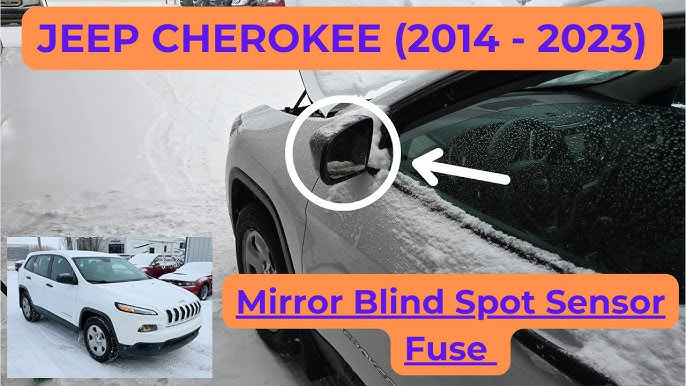
- Sensors: Emit radar waves to detect cars beside and behind you.
- Warning lights: Located on or near the side mirrors.
- Audible alerts: Sound if you try to change lanes with a car in your blind spot.
Understanding this helps you spot where issues may begin—usually at the sensors or wiring.
Common Reasons Blind Spot Detection Fails
Blind spot detection can stop working for several reasons. Here are the most common:
1. Sensor Obstruction
Dirt, ice, snow, or mud can cover the sensors. Even a thick layer of dust can block radar signals.
2. Sensor Damage
Rear-end impacts, scraping a curb, or road debris can damage sensors, knocking them out of alignment or breaking them.
3. Wiring Problems
Corroded or loose wires disrupt communication between sensors and the vehicle’s computer.
4. Software Glitches
A faulty update or corrupted software can cause the system to misbehave or stop working.
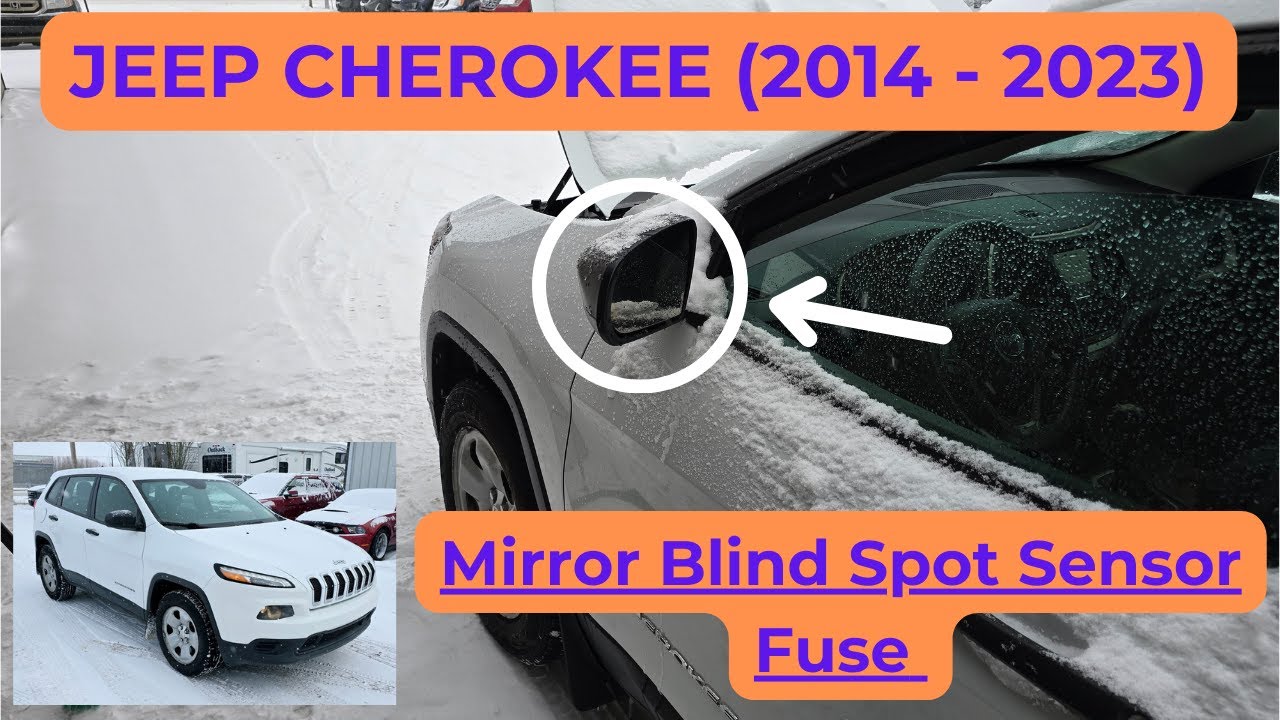
5. Blown Fuse
A blown fuse will cut power to the system, making it go offline.
6. Aftermarket Accessories
Some bumper stickers, wraps, or trailer hitches may interfere with radar signals.

Diagnosing The Problem
You can often narrow down the issue with basic checks before visiting a mechanic. Here’s a table comparing symptoms and likely causes:
| Symptom | Possible Cause |
|---|---|
| Warning light stays on | Dirty sensor, minor sensor misalignment |
| System unavailable message | Severe sensor damage, software issue |
| Works intermittently | Loose wire, minor obstruction |
| No warnings at all | Blown fuse, complete sensor failure |
Quick Troubleshooting Steps
You can try these steps to restore your Jeep’s blind spot detection:
1. Clean The Sensors
Wash the rear bumper, focusing on the corners. Remove any mud, snow, or debris.
2. Check For Visible Damage
Look for dents, cracks, or scrapes near the sensor areas.
3. Inspect For Obstructions
Remove bumper stickers or aftermarket parts around the sensor zones.
4. Restart The System
Sometimes, turning off the car for a few minutes resets the detection system.
5. Check Fuses
Consult your owner’s manual for the fuse box location and fuse number for blind spot detection.
6. Software Reset
Ask your dealer about available software updates or resets.
Many owners find that cleaning the sensors solves temporary issues, especially after winter driving.
When To Seek Professional Help
If your quick fixes do not restore the system, it is time for expert help. A certified technician can run advanced diagnostics, check for hidden wiring problems, or replace damaged sensors.
Attempting advanced repairs yourself can cause more damage, as the sensors are precise and expensive.
Here’s a basic cost comparison for common fixes:
| Repair Type | Estimated Cost (USD) | DIY Possible? |
|---|---|---|
| Sensor cleaning | $0 – $20 | Yes |
| Sensor replacement | $250 – $600 (per sensor) | No |
| Wiring repair | $100 – $300 | No |
| Software update | $0 – $150 | No |
Preventing Future Blind Spot Detection Issues
A few preventive steps can keep your system working:
- Regularly wash your rear bumper, especially after snow or off-road driving.
- Avoid placing stickers or metal parts near the sensors.
- Schedule routine dealer checkups for software and sensor calibration.
Many owners overlook the impact of car washes with strong brushes. These can misalign or even damage sensors—choose touchless washes when possible.
Non-obvious Insights For Jeep Owners
1. Towing And Sensor Confusion
If you use your Grand Cherokee for towing, many trailers can block the sensors, making the system give frequent errors. Some models have a trailer mode that should be activated to avoid false warnings.
2. Battery Issues
Low battery voltage or a recent battery replacement can sometimes confuse electronic systems, including blind spot detection. If you recently changed your battery, ask your dealer to check all system calibrations.
When Blind Spot Detection Is Not Essential
While blind spot detection is helpful, you can still drive safely using traditional mirror checks and over-the-shoulder glances. However, for high-speed or city driving, having all safety systems online gives extra peace of mind.
Frequently Asked Questions
This usually means the sensors are blocked by dirt, ice, or an object. Clean the rear bumper and check for damage.
If the message stays, it could be a wiring or software problem.
Can I Drive With The Blind Spot System Off?
Yes, but you lose an important safety feature. Use extra caution when changing lanes. Schedule a repair as soon as possible.
Does The Weather Affect Blind Spot Detection?
Heavy snow, rain, or ice can block the sensors or cause errors. Clean the sensors during bad weather, and avoid using the system if the sensors are covered.
How Do I Know If My Sensors Are Working?
A working system will show a light on the side mirrors when cars are in your blind spot. If you see warning messages or nothing happens when a car is beside you, the system may be faulty.
Where Can I Find More Detailed Jeep Technical Info?
The official Jeep Owner’s Manual offers guides and troubleshooting steps for all models.
Blind spot detection is a smart tool, but it needs proper care to work well. With these tips and a bit of attention, you can keep your Jeep Grand Cherokee’s safety systems in top shape for every trip.