If your Jeep Grand Cherokee has been slow to start, lights are dim, or electronics act strangely, your battery might be the culprit. Car batteries don’t last forever—most need replacing every 3 to 5 years.
A dead or weak battery can leave you stranded, especially in harsh weather. Replacing the battery isn’t complicated, but there are important steps to follow and common mistakes to avoid.
This guide will walk you through the process, help you choose the right battery, and share tips to keep your Grand Cherokee running strong.
Signs Your Jeep Grand Cherokee Battery Needs Replacement
You don’t have to wait for your battery to die completely. Watch for these signs:
- Slow engine cranking: The starter turns over slowly, especially in cold weather.
- Electrical issues: Power windows, radio, or dashboard lights flicker or perform poorly.
- Check engine or battery light: Warning lights can signal battery problems.
- Swollen battery case: A bulging battery is usually a sign of extreme heat or internal failure.
- Old age: If the battery is over 3 years old, it’s smart to get it tested.
Many drivers ignore these warnings until their vehicle won’t start. Regular checks can save you trouble down the road.
Choosing The Right Battery For Your Grand Cherokee
Not all batteries are the same. Using the wrong size or type can cause starting problems or even damage electronics.
| Battery Attribute | What to Look For |
|---|---|
| Group Size | Commonly 94R for Grand Cherokee (check your manual) |
| Cold Cranking Amps (CCA) | At least 700 CCA for reliable starting in all weather |
| Reserve Capacity (RC) | Higher RC means more backup power for electronics |
| Type | Flooded lead-acid or AGM (Absorbent Glass Mat) |
AGM batteries are more durable and handle stop-start driving better, but they cost more. Flooded batteries are cheaper and work fine for most drivers.
Tip: Always double-check your owner’s manual for battery specifications. Even within the same Grand Cherokee generation, requirements may change.
Tools And Preparation
Before you begin, gather these items:
- New battery (proper size and type)
- Socket wrench (usually 10mm)
- Battery terminal puller (optional but helpful)
- Gloves and eye protection
- Battery terminal cleaner or wire brush
- Anti-corrosion spray (optional but recommended)
- Memory saver (prevents radio code loss, if available)
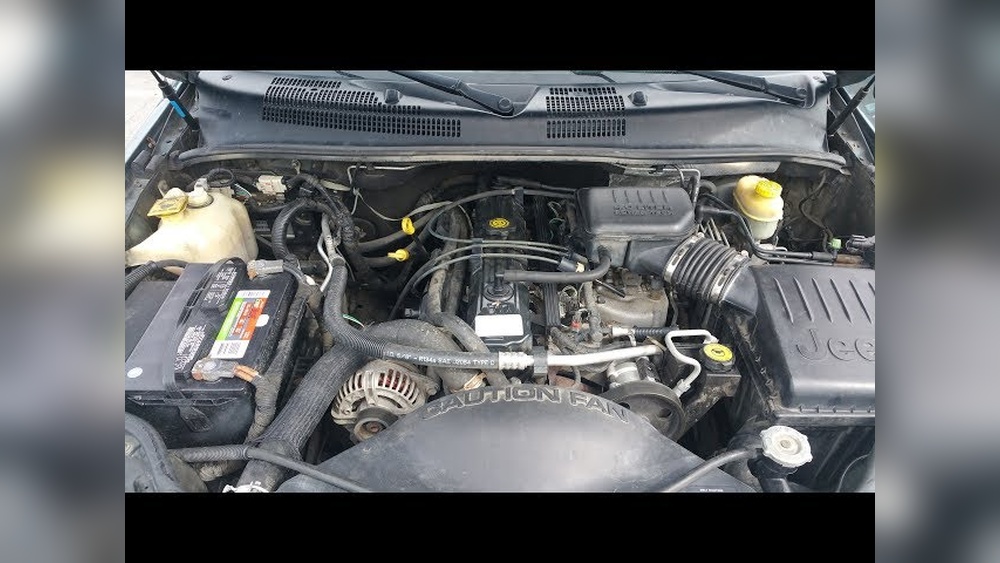
Park your Jeep on a flat surface, turn off the engine, and engage the parking brake. Open the hood and locate the battery.
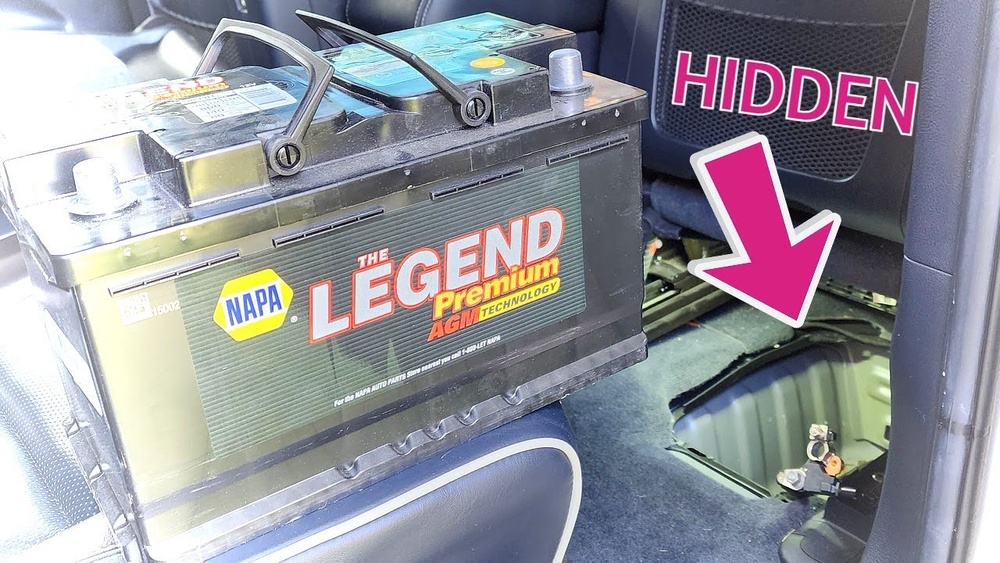
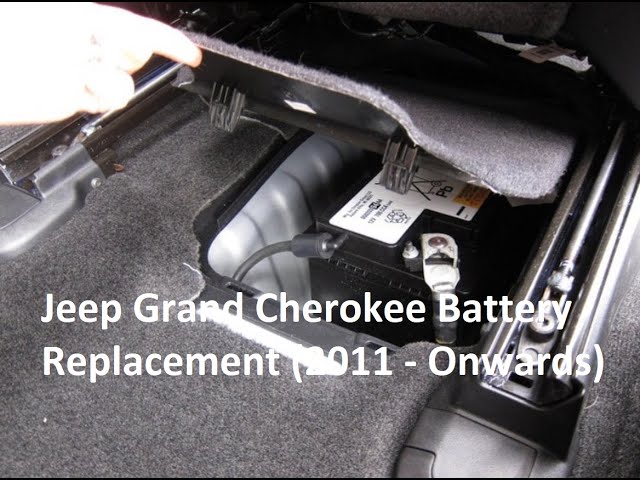
In some Grand Cherokees, the battery is under the passenger seat—check your manual if you can’t find it in the engine bay.
Step-by-step Battery Replacement
Follow these steps for a safe and smooth battery change:
- Turn off all electronics and remove the key.
- Disconnect the negative (–) terminal first. Loosen the nut and gently twist off the cable. This prevents accidental shorts.
- Disconnect the positive (+) terminal using the same method.
- Remove the battery hold-down clamp with your socket wrench.
- Lift out the old battery carefully. Batteries are heavy—use both hands.
- Clean the battery tray and terminals with your brush. Corrosion can cause poor connections.
- Place the new battery in the tray. Make sure the terminals face the correct direction.
- Secure the hold-down clamp so the battery doesn’t move.
- Connect the positive (+) terminal first, then the negative (–) terminal.
- Tighten all nuts securely but don’t overtighten—this can crack the battery posts.
- Spray anti-corrosion solution on the terminals if available.
Important: Never touch both terminals at once with your tool or hands. This can cause shocks or sparks.

Battery Life Comparison: Oem Vs Aftermarket
How long will your new battery last? It depends on the brand, type, and your driving habits.
| Battery Type | Typical Lifespan | Warranty |
|---|---|---|
| OEM (Mopar) | 3-5 years | 24-36 months |
| Premium AGM | 4-6 years | 36-48 months |
| Standard Aftermarket | 2-4 years | 12-24 months |
Non-obvious insight: Short city trips can shorten battery life, because the alternator doesn’t get enough time to recharge. If you mostly drive short distances, consider investing in an AGM battery for durability.
Common Mistakes To Avoid
Many owners make simple errors when replacing their battery:
- Reversing terminals: Connecting the positive and negative cables to the wrong posts can fry electronics.
- Skipping terminal cleaning: Old corrosion can block current and cause “mystery” electrical problems.
- Forgetting to reset electronics: Some Grand Cherokees may require a radio code or window calibration after battery change.
- Not securing the battery: A loose battery can shift, causing shorts or even fires in rare cases.
Some models store the battery under the front passenger seat. In these cases, take extra care—removing seats and trim panels can be tricky.

When To Seek Professional Help
If you notice heavy corrosion, acid leaks, or strange smells, it’s best to let a mechanic handle the job. Also, if your Jeep has a lot of advanced electronics (like adaptive cruise or start-stop technology), a battery registration procedure may be needed.
Some shops use special tools to “register” the new battery with your vehicle’s computer, ensuring proper charging and system operation.
Battery Disposal And Recycling
Never throw your old battery in the trash. Car batteries contain toxic chemicals and must be recycled properly.
Most auto parts stores will take your old battery for free, and some offer a small cash credit. Recycling helps protect the environment and keeps dangerous materials out of landfills.
Final Thoughts
Replacing the battery in your Jeep Grand Cherokee is a task most owners can handle with basic tools and a little preparation. Choosing the right battery, following safe steps, and avoiding common mistakes will keep your Jeep starting strong for years. If you’re not comfortable with DIY work, a professional can usually swap your battery in less than 30 minutes. Remember, regular battery checks and proper disposal make a big difference for both your Jeep and the planet.