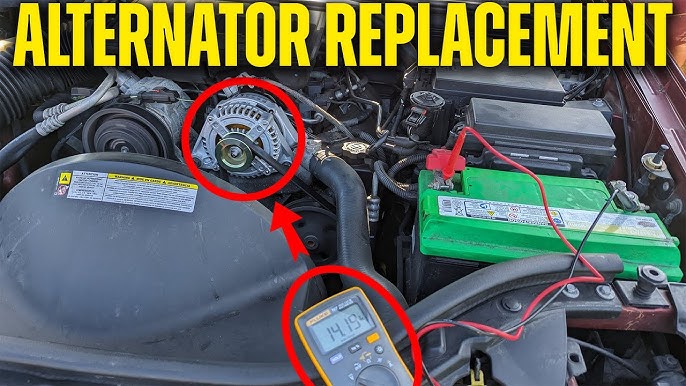
If your Jeep Grand Cherokee is showing signs of electrical trouble, such as dimming lights or a dead battery, a failing alternator could be the cause. The alternator is responsible for charging the battery and powering your vehicle’s electrical systems while the engine runs.
Removing and replacing it is a task many DIYers can handle with basic tools and some patience. This guide gives you the steps, insights, and tips to safely remove the alternator from a Jeep Grand Cherokee, helping you avoid common mistakes and save on repair costs.
Understanding The Alternator’s Role
The alternator converts mechanical energy from the engine into electrical energy. It powers the vehicle’s electronics and keeps the battery charged. When it fails, you may notice:

- Battery warning light on the dashboard
- Flickering headlights
- Strange noises from the engine bay
- Trouble starting the vehicle
Ignoring these signs can leave you stranded. Replacing the alternator promptly is crucial for vehicle reliability.
Tools And Preparation
Before starting, gather the right tools. Having the correct equipment makes the job much smoother.
Basic tools needed:
- Socket and ratchet set (metric and standard sizes)
- Wrench set
- Screwdrivers
- Serpentine belt tool or breaker bar
- Jack and jack stands (if needed)
- Safety gloves and glasses
Additional helpful items:
- Magnetic tray for bolts
- Pen and paper for notes
Practical tip: Take a photo of the belt routing before removal. Many first-timers forget the path and struggle during reinstallation.
Locating The Alternator
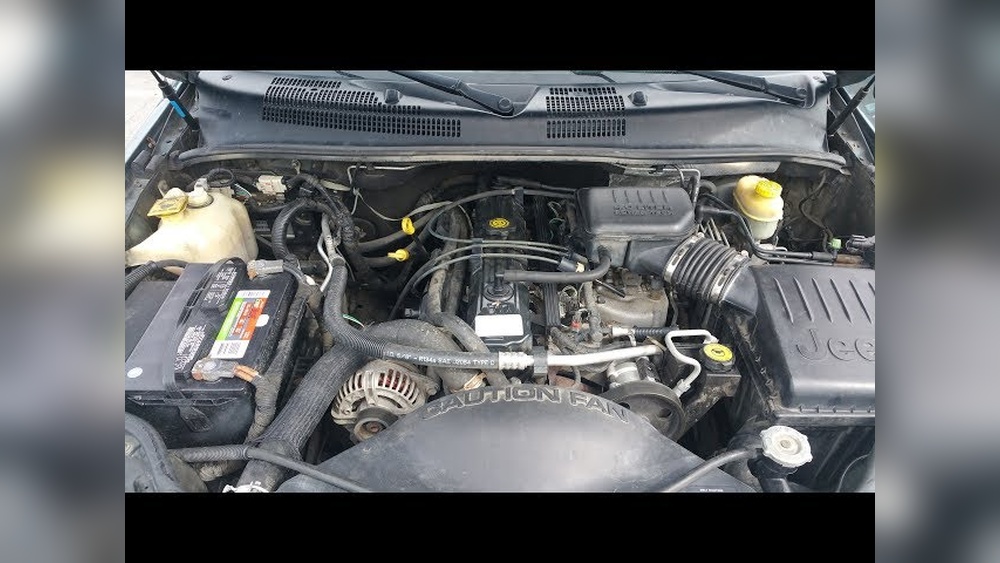
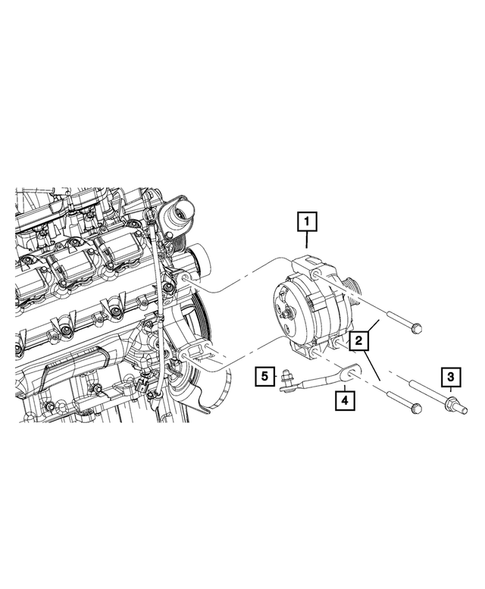
The position of the alternator varies slightly depending on your Grand Cherokee’s engine type. Most models have it mounted at the front of the engine, either on top or towards the side.
For 3. 6L V6 and 5.
7L V8 engines, it’s usually accessible from above.
Older models or diesels might require removing covers or even working from underneath.
Here’s a comparison of alternator accessibility by engine type:
| Engine | Alternator Location | Ease of Access |
|---|---|---|
| 3.6L V6 | Front top | Easy |
| 5.7L V8 | Front side | Moderate |
| 3.0L Diesel | Lower front | Hard |
Experience-based tip: If you have a diesel model, plan extra time and consider removing the lower splash shield for better access.
Step-by-step Alternator Removal
Follow these steps for a safe and clean removal:
1. Disconnect The Battery
Always remove the negative terminal first to prevent accidental shorts.
2. Remove Engine Covers
Some models have plastic covers that block access. Lift these off and set aside.
3. Release Serpentine Belt Tension
Use a serpentine belt tool or breaker bar on the tensioner pulley to relieve tension. Slide the belt off the alternator pulley.
4. Unplug Electrical Connectors
Remove the main power cable (usually held by a nut) and any smaller signal connectors. Gently wiggle them free—do not pull on wires.
5. Remove Mounting Bolts
Most alternators are held by two or three bolts. Loosen and remove these, supporting the alternator with your other hand.
6. Extract The Alternator
Carefully lift or maneuver the alternator out. Some models require twisting it slightly to clear hoses or brackets.
7. Inspect Mounting Area
Check for loose wires, damaged brackets, or debris before installing a new alternator.
Here’s a quick overview of average removal times by model year:
| Model Year | Engine | Typical Removal Time |
|---|---|---|
| 2011–2026 | 3.6L V6 | 45–60 mins |
| 2011–2026 | 5.7L V8 | 60–80 mins |
| 2005–2010 | 5.7L V8 | 70–90 mins |
Non-obvious insight: Many DIYers forget to check the battery’s condition. A failing battery can cause similar symptoms to a bad alternator. Test your battery before assuming the alternator is the problem.
Common Mistakes To Avoid
1. Not Disconnecting The Battery
This can result in electrical shorts and serious injury.
2. Losing Track Of Belt Routing
Always photograph or sketch the belt path before removal.
3. Forcing Connectors
Connectors often have a locking tab. Press or lift the tab before pulling.
4. Dropping Bolts Into The Engine Bay
Use a magnetic tray to keep track of hardware.
5. Skipping Inspection Of Adjacent Parts
Check belt tensioners and pulleys for wear. Replacing these together saves future labor.
When To Seek Professional Help
If the alternator is buried behind other components, or if you lack the right tools, it’s smart to let a certified mechanic handle the job. Labor costs for alternator replacement typically range from $150 to $350, depending on model and region.
Data point: Aftermarket alternators cost $120–$250, while OEM units can exceed $400.

Reinstallation Tips
Installing the new alternator is the reverse of removal, but keep these pointers in mind:
- Hand-tighten all bolts first, then torque to spec
- Reconnect all wires firmly—loose connections can cause charging issues
- Double-check belt alignment and tension
- Reconnect the battery only after everything is complete
Pro tip: Start the engine and check for warning lights or unusual noises. Measure voltage at the battery with the engine running; it should read around 13.5–14.5 volts.
For official diagrams and torque specifications, consult the Mopar official website.
Frequently Asked Questions
What Are The Signs My Grand Cherokee Alternator Is Failing?
Common signs include battery warning lights, dim headlights, slow power windows, and a weak battery. Grinding or whining noises can also mean the alternator bearings are worn.
Can I Drive With A Bad Alternator?
It’s risky. The battery will eventually run out of power, causing the vehicle to stall.
Avoid driving until the alternator is repaired or replaced.
How Do I Know If It’s The Alternator Or Battery?
Test the battery voltage with the engine off and running. If voltage drops quickly or the car dies after removing the jumper cables, the alternator is likely the issue.
Do I Need To Replace The Serpentine Belt Too?
Not always, but if the belt shows cracks or glazing, it’s wise to replace it during alternator service. This prevents future breakdowns.
Is Alternator Removal The Same On All Grand Cherokee Models?
No, location and access can vary by engine and model year. Always check your service manual for specifics on your vehicle.
Removing the alternator from your Jeep Grand Cherokee is a manageable job with patience and the right approach. By preparing well and following these steps, you can save money and boost your confidence as a home mechanic.