The Jeep Grand Cherokee is known for its blend of rugged performance and luxury features. One standout is the air suspension system, which automatically raises or lowers the vehicle for comfort and off-road capability.
While this technology offers a smooth ride, it’s also one of the more complex systems, and repairs can be challenging—and expensive—if things go wrong.
If you own a Grand Cherokee with air suspension, you might wonder what to do when the system fails. This guide explains how the suspension works, common problems, repair steps, and what to consider before you decide on DIY or professional help.
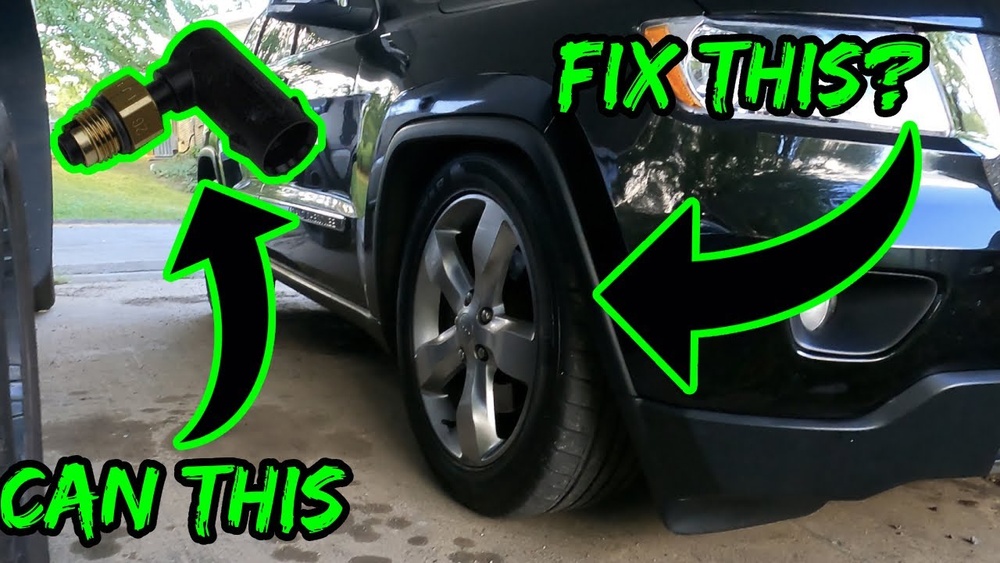
How Jeep Grand Cherokee Air Suspension Works
The Quadra-Lift air suspension uses air springs instead of traditional steel coils. These springs are filled with compressed air from an onboard compressor, allowing the vehicle to change height depending on the driving situation. For example, the system lowers at highway speeds for better aerodynamics and raises for off-road driving.
Key Benefits
- Adjustable ground clearance for off-roading or loading cargo
- Smooth, comfortable ride over bumps and rough roads
- Automatic leveling even with heavy loads
However, more moving parts mean more things that can potentially fail.
Common Air Suspension Problems
Even with regular maintenance, the Grand Cherokee’s air suspension can develop issues, especially as the vehicle ages. Here are the most frequent problems:
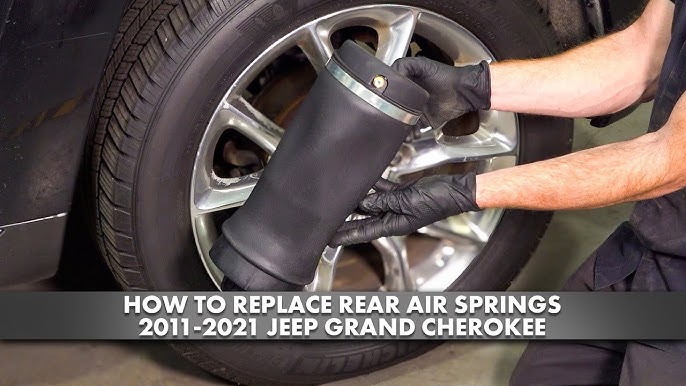
- Air leaks – Cracks in air lines or rubber air springs can cause the system to lose pressure. The vehicle may sag or sit unevenly.
- Compressor failure – The compressor works hard to keep the system pressurized. Over time, it can wear out and stop working.
- Faulty sensors – Height sensors may give wrong signals, causing incorrect adjustments or warning lights.
- Control module problems – Electrical faults or software errors can prevent the system from working.
- Moisture in the system – Water can enter and damage valves or freeze in cold weather, leading to slow or failed operation.
A warning light on the dashboard or a noticeable change in ride height are often the first signs of trouble.
Diagnosing Air Suspension Issues
Before you spend money on repairs, it’s important to diagnose the problem. Here’s how you can narrow down the issue:
- Listen for the compressor. When you start the Jeep, you should hear the compressor running for a few seconds. If it’s silent, the compressor or fuse may have failed.
- Check for uneven height. If one corner is lower, the air spring or line for that wheel may be leaking.
- Spray soapy water on air lines and bags. Bubbles will appear at the leak.
- Scan for error codes. An OBD-II scanner can read codes from the suspension control module.
- Inspect for visible damage. Look for cracked or worn air bags and loose electrical connections.
If you’re not comfortable with these steps, a qualified mechanic can perform a full diagnostic.
Repair Options And Costs
Air suspension repairs can range from simple fixes to major replacements. Here’s a quick comparison of common repair options:
| Repair Type | Typical Cost (Parts & Labor) | DIY Difficulty |
|---|---|---|
| Air Spring Replacement | $500–$1,000 per corner | Moderate |
| Compressor Replacement | $800–$1,500 | Advanced |
| Sensor Replacement | $200–$500 | Easy to Moderate |
| Control Module Replacement | $400–$1,200 | Advanced |
| Air Line Repair | $100–$300 | Easy |
Note: Prices vary by location and model year. Aftermarket parts can cost less, but OEM parts offer better reliability.
Air Suspension Vs. Coil Spring Conversion
Some owners choose to replace the air suspension with traditional coil springs. This can save money long-term but means losing adjustable ride height.
| System | Ride Comfort | Cost | Maintenance |
|---|---|---|---|
| Air Suspension | Excellent | High | Frequent, Expensive |
| Coil Spring Conversion | Good | Lower | Minimal |

Should You Repair Or Replace?
Deciding whether to repair your air suspension or convert to coil springs depends on several factors:
- Vehicle age and value: On older models, a full suspension rebuild may cost more than the car is worth.
- How you use your Jeep: Off-roaders and those who tow may want to keep the air suspension.
- Budget: Conversion kits cost $700–$1,500 installed, often less than repeated air system repairs.
- Resale value: Some buyers prefer original air suspension, while others like the simplicity of coils.
For many owners, fixing small leaks or replacing a single air spring makes sense. If multiple parts are failing, a conversion may be more cost-effective.
Diy Tips And Common Mistakes
If you’re handy, you can fix certain air suspension problems yourself. Here’s what to keep in mind:
- Always disconnect the battery before working on the suspension.
- Raise the vehicle safely with jack stands, not just a floor jack.
- Release air pressure slowly from the system to avoid injury.
- Use the correct tools and follow the service manual.
- Double-check connections before lowering the Jeep.
Common mistakes include over-tightening air line fittings (which can crack them), installing aftermarket parts that don’t fit well, or forgetting to recalibrate the ride height sensors.
Preventing Future Air Suspension Problems
A few simple steps can help your Grand Cherokee’s air suspension last longer:
- Keep air bags clean by washing off mud and road salt.
- Inspect for leaks every oil change.
- Replace the air dryer (which removes moisture) every 4–5 years.
- Park inside during freezing weather to avoid moisture freezing in lines.
Proactive care can save thousands in repairs and help you avoid getting stranded with a sagging Jeep.
Frequently Asked Questions