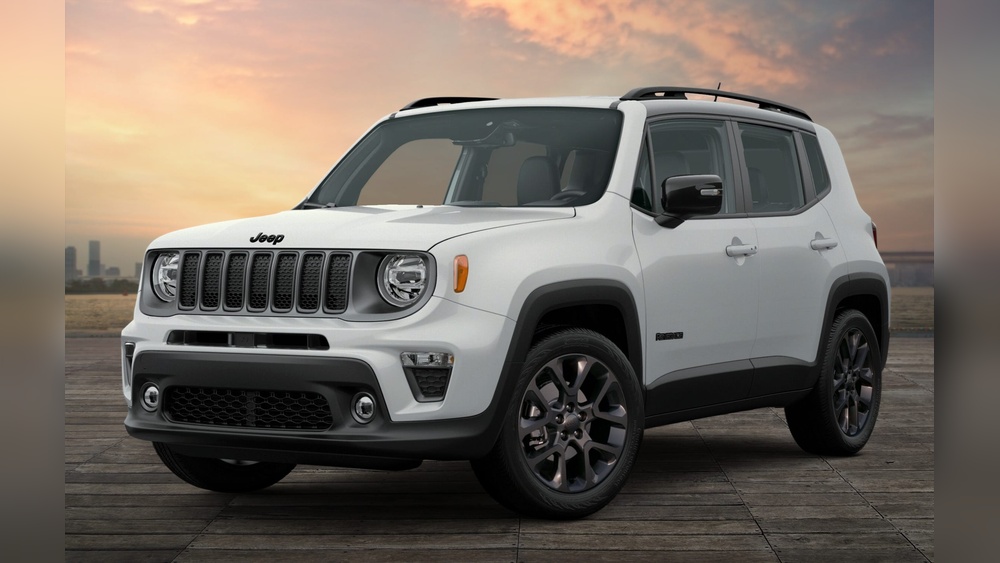
The Jeep Grand Cherokee is a popular SUV known for its capability and comfort. When it comes to its exhaust system, a key component is the catalytic converter.
For models with the 3. 6L engine, understanding this part is crucial for maintenance, performance, and emissions compliance.
This article will explore the 3. 6L Jeep Grand Cherokee's catalytic converter, covering its function, common issues, replacement options, and preventative measures.
Understanding The Catalytic Converter’s Role
The catalytic converter is a vital part of your vehicle’s exhaust system. Its primary job is to reduce harmful pollutants produced during the combustion process. Inside the converter are precious metals like platinum, palladium, and rhodium. These metals act as catalysts, meaning they speed up chemical reactions without being consumed themselves.
When exhaust gases flow through the converter, these catalysts trigger chemical reactions that transform toxic gases into less harmful ones. Specifically, it converts carbon monoxide (CO), a poisonous gas, into carbon dioxide (CO2).
It also changes unburned hydrocarbons (HC) into water (H2O) and carbon dioxide, and reduces nitrogen oxides (NOx) into nitrogen gas (N2) and oxygen (O2).
Without a functioning catalytic converter, your Grand Cherokee would release significantly more pollution into the atmosphere.
Why The 3.6l Engine Matters
The 3.6L Pentastar engine is a common powerplant for the Jeep Grand Cherokee across various model years. This V6 engine is known for its balance of power and fuel efficiency. However, like any engine, it produces exhaust gases that need treatment. The design of the exhaust system, including the number and placement of catalytic converters, is tailored to the specific engine. For the 3.6L Grand Cherokee, there are typically two catalytic converters, one for each bank of cylinders (the engine has six cylinders arranged in a ‘V’ shape, with three on each side or ‘bank’).
These converters are positioned in the exhaust manifold or shortly after it, close to the engine. This placement is strategic because the catalysts work most effectively when they are hot.
Being closer to the engine means they heat up faster after the vehicle starts, allowing them to begin their emissions-reducing work sooner.
Common Problems With Jeep Grand Cherokee Catalytic Converters
Over time, catalytic converters can fail for several reasons. Understanding these issues can help you diagnose problems early and avoid more serious damage.
Clogged Catalytic Converter
One of the most frequent problems is a clogged catalytic converter. This usually happens when the internal honeycomb structure breaks down or becomes coated with carbon deposits. This breakdown can be caused by:
- Engine Misfires: If your engine is misfiring, unburned fuel can enter the exhaust system. This fuel can ignite inside the catalytic converter, causing excessive heat and damaging the internal structure.
- Contaminated Fuel or Oil: Using the wrong fuel or excessive oil consumption can lead to deposits building up inside the converter.
- Physical Damage: Road debris or impacts can physically damage the converter’s housing or internal components.
A clogged converter restricts exhaust flow, leading to a noticeable drop in engine performance. You might experience:
- Loss of Power: The engine struggles to expel exhaust gases, making acceleration sluggish.
- Overheating: The restricted flow can cause the engine to run hotter than usual.
- Check Engine Light: The engine control module (ECM) will detect the increased backpressure or abnormal exhaust gas composition and illuminate the Check Engine Light.
- Sulfur Smell: A rotten egg smell, particularly after driving, can indicate a failing converter due to sulfur compounds in the fuel not being processed correctly.
Catalytic Converter Theft
Unfortunately, catalytic converter theft is a growing problem. Thieves target them because of the valuable precious metals inside. The Grand Cherokee’s converters are often targeted. Thieves can quickly cut them out from underneath the vehicle, often leaving drivers with a loud exhaust and a non-functional vehicle. If your converter is stolen, you’ll notice a very loud noise from the exhaust and a significant loss of power.
Internal Component Failure
The precious metal coating inside the converter can degrade over time, especially with high mileage or exposure to extreme temperatures. When this coating wears off, the converter loses its ability to effectively convert pollutants, leading to emissions test failures and the illumination of the Check Engine Light.
Diagnosing A Failing Catalytic Converter
Diagnosing a faulty catalytic converter involves a few key steps. It’s best to have this done by a qualified mechanic, but understanding the process can help you communicate effectively with them.
- Visual Inspection: A mechanic will first visually inspect the converter for physical damage, such as dents, cracks, or signs of tampering (like cut marks from theft).
- Check Engine Light Codes: The Check Engine Light is a common indicator. Diagnostic scanners can retrieve trouble codes stored in the ECM. Codes related to catalyst efficiency (e.g., P0420 or P0430 for bank 1 or bank 2) are strong indicators of a converter problem.
- Exhaust Backpressure Test: This test measures the pressure in the exhaust system before the converter. High backpressure suggests a blockage.
- Temperature Check: Using an infrared thermometer, a mechanic can check the inlet and outlet temperatures of the converter. The outlet temperature should be significantly higher than the inlet temperature if the converter is functioning correctly. A similar temperature suggests it’s not working.
- Emissions Test: If your state requires emissions testing, a failing test is a direct sign that the catalytic converter is not performing its job.
Replacement Options For Your Grand Cherokee
If your catalytic converter needs replacement, you have several options. The choice often depends on budget, warranty status, and local regulations.
Oem (original Equipment Manufacturer) Replacements
OEM converters are made by or for Jeep and are designed to meet the exact specifications of your Grand Cherokee.
- Pros: Guaranteed fitment, meet all emissions standards, often come with a good warranty.
- Cons: Typically the most expensive option.
Aftermarket Converters
Aftermarket converters are made by third-party manufacturers. They can be a more affordable alternative to OEM parts. However, there are different types of aftermarket converters:
- Direct-Fit Aftermarket: These are designed to bolt directly into the place of the original converter, simplifying installation.
- Universal Aftermarket: These require cutting and welding to be installed. They are usually cheaper but require more labor.
It’s important to note that aftermarket catalytic converters must meet EPA (Environmental Protection Agency) standards. In some states, particularly California and those that follow its emissions regulations, only specific EPA- or CARB- (California Air Resources Board) compliant converters can be legally installed. Always check local regulations before purchasing an aftermarket part.
Performance Catalytic Converters
These are designed to improve exhaust flow and potentially increase horsepower. They often use a higher cell density or different catalyst materials.
- Pros: Can improve performance and sound.
- Cons: Can be expensive, may not meet strict emissions standards in all regions, and might not be legal for street use in some areas.
Cost Of Replacement
The cost to replace a catalytic converter on a Jeep Grand Cherokee 3.6L can vary significantly. Factors influencing the price include:
- Part Cost: OEM parts are more expensive than aftermarket. Prices can range from $300 to over $1000 for just the part.
- Labor Costs: Installation can take 1-3 hours, depending on the complexity and the shop’s labor rates. This can add $100 to $300 or more.
- Vehicle Model Year: Newer models might have more integrated exhaust systems, potentially increasing labor time.
- Location: Labor rates vary by region.
A direct-fit aftermarket converter for a Grand Cherokee 3.6L might cost around $200-$500 for the part, with installation adding another $100-$250. An OEM replacement could easily reach $800-$1500 or more including labor.
Maintaining Your Catalytic Converter
While catalytic converters are designed to last the life of the vehicle, proper maintenance can help extend their lifespan and prevent premature failure.
Regular Engine Tune-ups
Keeping your engine running smoothly is the best way to protect your catalytic converter. This includes:
- Spark Plugs and Wires: Replace them according to your owner’s manual recommendations. Worn spark plugs can cause misfires.
- Oxygen Sensors: These sensors monitor exhaust gases and help the engine’s computer adjust the fuel mixture. Faulty O2 sensors can lead to the engine running too rich or too lean, both of which can harm the converter.
- Air Filter: A clean air filter ensures the engine gets the proper air-fuel mixture.
Using Quality Fuel
Always use the octane rating recommended in your owner's manual. Using lower octane fuel than recommended can lead to knocking or pinging, which can overheat and damage the converter.
Avoid using fuel additives unless specifically recommended by Jeep, as some can leave deposits.
Addressing Leaks Promptly
Exhaust leaks before the catalytic converter can allow unmetered air into the system, potentially disrupting the sensor readings and affecting the fuel mixture. Fix any exhaust leaks as soon as you notice them.
Driving Habits
Avoid prolonged idling, especially in cold weather, as this doesn’t allow the converter to reach its optimal operating temperature. Also, avoid “lugging” the engine (driving at very low RPMs under heavy load), as this can also lead to incomplete combustion and potential damage.
Understanding The 36 Catalytic Converter Components (if Applicable)
While a typical 3. 6L Jeep Grand Cherokee has two main catalytic converters (one for each bank), the mention of "36 catalytic converter" in a query might refer to a less common configuration or a misunderstanding.
In most standard passenger vehicles, including the Grand Cherokee, the catalytic converter system is designed around the engine's cylinder banks.
However, some complex exhaust systems might have additional smaller catalytic converters, sometimes referred to as "pre-cats" or "secondary catalysts," located closer to the engine manifold. These are designed to help the main converters heat up faster.
If the query implies 36 individual converters, this is highly unusual for a single vehicle.
It’s more likely that the number “36” refers to something else, perhaps a part number, a specific model year variation, or a misinterpretation.
For the standard 3. 6L Jeep Grand Cherokee, the focus is on the two primary catalytic converters.
If your vehicle has a specific emissions system that includes more components, consulting a dealership or a specialized exhaust shop with the Vehicle Identification Number (VIN) is the best approach to identify all parts accurately.
Bank 1 Vs. Bank 2 Converters
In a V6 engine like the 3. 6L Pentastar, cylinders are divided into two banks.
- Bank 1: Typically refers to the side of the engine that contains cylinder #1.
- Bank 2: Refers to the opposite side of the engine.
Trouble codes like P0420 often specify “Catalyst System Efficiency Below Threshold (Bank 1),” and P0430 for “Bank 2. ” This distinction is crucial for mechanics to pinpoint which converter is malfunctioning.
Pre-catalytic Converters
Some Grand Cherokee models, especially those with specific emissions requirements, might feature pre-catalytic converters. These are smaller converters located very close to the exhaust manifold. Their purpose is to heat up quickly and begin the conversion process, helping the main catalytic converters reach their efficient operating temperature faster.
Main Catalytic Converters
These are the larger, primary converters located further down the exhaust pipe. They handle the bulk of the emissions conversion.
The 3. 6L Grand Cherokee will have one main converter for Bank 1 and another for Bank 2.
Resonator Vs. Catalytic Converter
It’s important not to confuse a catalytic converter with a resonator. A resonator is designed to reduce exhaust noise (drone) but does not perform any emissions control functions. They look similar in shape but are functionally different.
Exhaust Manifold Converters
In some designs, the catalytic converter is integrated directly into the exhaust manifold. This is known as a manifold converter. Replacing this type can be more complex and expensive as it involves removing the entire manifold.
Mid-pipe Converters
Other designs have the catalytic converters located in the mid-pipe section of the exhaust system, after the manifolds. This allows for easier access and replacement.
High-flow Catalytic Converters
These aftermarket parts are designed to allow exhaust gases to flow more freely. They can offer a slight performance increase but may be less effective at converting pollutants than standard converters and might not be legal in all areas.
Ceramic Vs. Metallic Substrates
Most catalytic converters use a ceramic honeycomb structure coated with precious metals. However, some high-performance or specialized converters use a metallic foil honeycomb.
Metallic substrates are more durable and less prone to breaking but can sometimes be less efficient at heat retention.
Carb-compliant Converters
Vehicles registered in California or states that follow California’s emissions standards must use CARB-compliant catalytic converters. These are specifically designed and tested to meet stricter emissions requirements than standard EPA-compliant converters. Using a non-CARB-compliant converter in these states can lead to failing emissions tests and legal issues.
Epa-compliant Converters
These are the standard converters for most of the United States. They meet the emissions standards set by the Environmental Protection Agency.
They are generally less expensive than CARB-compliant units.
Catalytic Converter Shields
To deter theft, many owners opt for catalytic converter shields. These are metal plates that are bolted onto the underside of the vehicle, making it much harder for thieves to access and cut out the converter quickly. They can be an effective deterrent.
Aftermarket Muffler With Integrated Converter
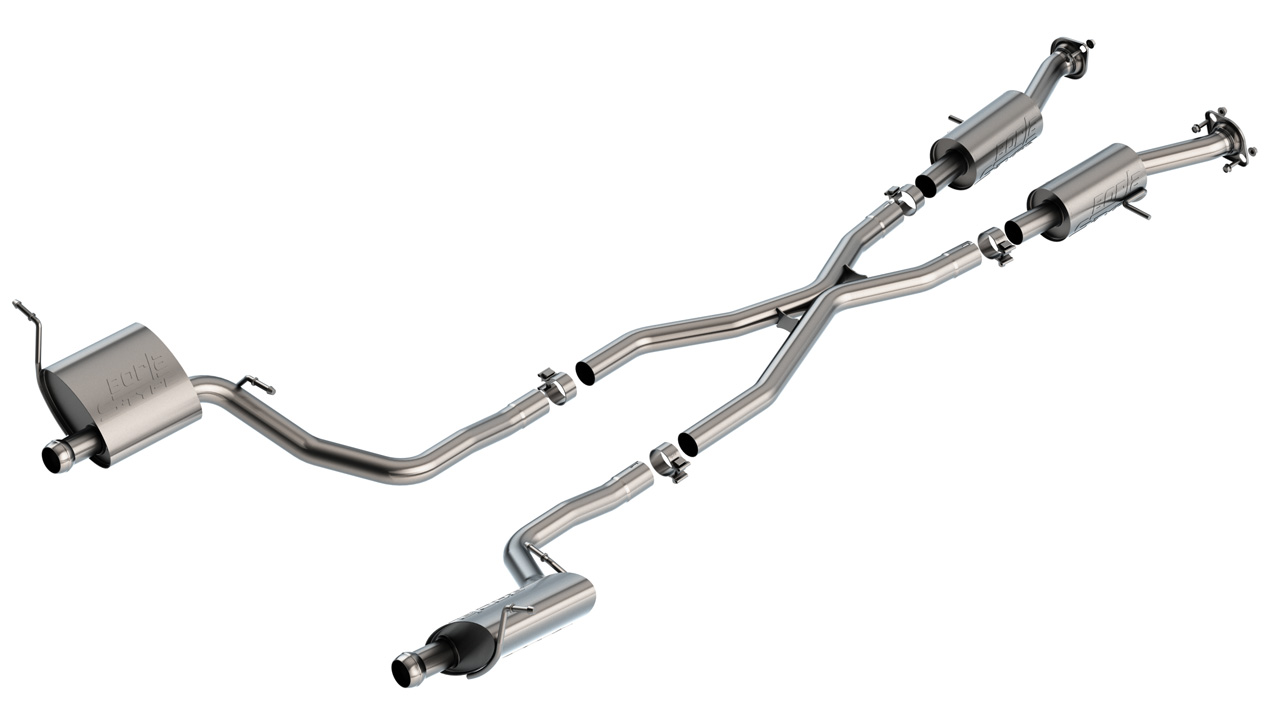
Some aftermarket exhaust systems offer a muffler with an integrated catalytic converter. This can simplify installation if you’re replacing both components, but ensure it meets all legal requirements for your area.
Direct-fit Vs. Universal
As mentioned earlier, direct-fit converters are made to bolt up precisely to your existing exhaust system, minimizing the need for modifications. Universal converters are more generic and require cutting and welding to integrate into your exhaust pipe. Direct-fit is generally preferred for ease of installation and proper alignment.
Stainless Steel Vs. Aluminized Steel
The outer casing of catalytic converters can be made from different materials. Stainless steel offers superior corrosion resistance and durability, making it a better long-term choice, especially in areas with harsh weather or road salt. Aluminized steel is a more budget-friendly option but may rust more quickly.
Importance Of Oxygen Sensors
Oxygen sensors (O2 sensors) play a critical role in the catalytic converter's function. They measure the amount of oxygen in the exhaust gas before and after the converter.
This data allows the engine control module (ECM) to fine-tune the air-fuel mixture for optimal converter efficiency.