If you drive a Jeep Grand Cherokee with the 3. 6L Pentastar engine, understanding the belt diagram can save you time and money.
The serpentine belt is a key part of your engine’s operation. It powers the alternator, power steering, air conditioner, and water pump.
If the belt breaks or slips, your SUV can quickly lose important functions. Many owners want to know how the belt is routed, what each component does, and how to spot issues.
Here’s a clear guide to the Jeep Grand Cherokee 3.
6 belt diagram, how each part works, and some tips for easier maintenance.
Overview Of The Jeep Grand Cherokee 3.6 Belt System
The 3.6L V6 Pentastar engine is known for its reliable performance. Its serpentine belt setup is simple but efficient. This single belt drives several accessories at once. Unlike older engines, you don’t need to manage multiple belts.
A typical belt diagram for this engine looks like a loop, weaving through pulleys on the front of the engine. If you ever need to replace the belt or check its condition, knowing this diagram is essential.
Jeep Grand Cherokee 3.6 Belt Diagram: Key Components
You’ll find three main items in the belt routing system:
- Serpentine Belt
- Tensioner Pulley
- Idler Pulley
Let’s break down what each part does and where it fits in the system.
1. Serpentine Belt
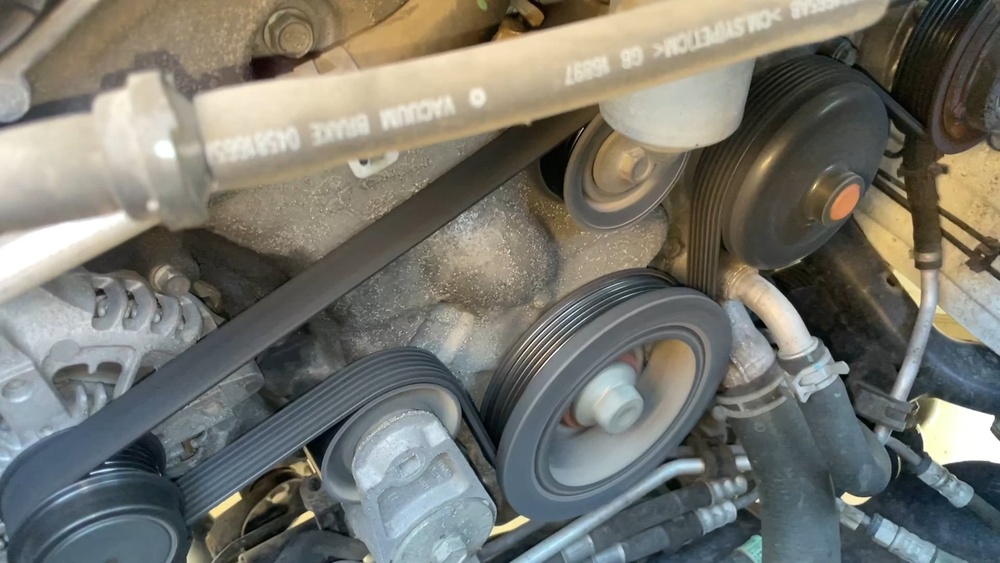
The serpentine belt is a long, continuous rubber belt with grooves on one side. Its job is to drive multiple engine accessories using the engine’s crankshaft power. In the Jeep Grand Cherokee 3.6, the belt typically runs through the following components:
- Crankshaft pulley
- Alternator
- Power steering pump
- Air conditioning compressor
- Water pump
The belt’s path looks like a complex loop, but each turn is designed to maximize contact with the pulleys for efficient power transfer.
Example Diagram Path
On most 2011–2026 Jeep Grand Cherokees with the 3.6L engine, the belt routing follows this order:
- Crankshaft pulley (bottom center)
- Up and right to the water pump
- Left to the alternator
- Down to the idler pulley
- Across to the power steering pump
- Up to the air conditioner compressor
- Around the tensioner pulley
- Returns to crankshaft pulley
If you’re changing the belt, always refer to the diagram under the hood or in the service manual. Installing it incorrectly can damage engine parts.
2. Tensioner Pulley
The tensioner pulley keeps the serpentine belt tight. This is a spring-loaded arm with a pulley at the end. As the belt stretches over time or as the engine moves, the tensioner adjusts automatically. You don’t need to manually tighten the belt on modern engines like the 3.6L Pentastar.
If you hear squealing sounds, the tensioner could be weak. A bad tensioner can let the belt slip, causing electrical issues or engine overheating.
Replacement is usually simple, but always check the tension after installing a new belt.
Signs Of A Failing Tensioner
- Belt squeal during startup or acceleration
- Visible pulley wobble
- Belt slipping off the pulleys
3. Idler Pulley
The idler pulley is a smooth, free-spinning wheel. Its main job is to guide the serpentine belt around the engine accessories and keep the belt path efficient. It does not drive any component directly.
Over time, the idler pulley bearing can wear out. If you hear a high-pitched whine or grinding noise, it may be time to replace the idler pulley.
Idler Pulley Location
In the Grand Cherokee 3. 6, the idler pulley is usually found near the top or side of the engine, depending on the model year.

Comparison: Serpentine Belt Vs. Other Engine Belts
To see how the serpentine belt compares to older belt systems, check this quick comparison.
| Feature | Serpentine Belt (3.6L) | V-Belts (Older Engines) |
|---|---|---|
| Number of Belts | One | Two or more |
| Maintenance | Simple | Complex |
| Adjustment | Automatic | Manual |
| Failure Impact | Multiple accessories stop | Only one accessory stops |
Belt Routing Diagram Example
While every model year might be slightly different, here’s a simplified routing diagram:
| Step | Pulley/Component |
|---|---|
| 1 | Crankshaft |
| 2 | Water Pump |
| 3 | Alternator |
| 4 | Idler Pulley |
| 5 | Power Steering Pump |
| 6 | Air Conditioner Compressor |
| 7 | Tensioner Pulley |
Always check your specific owner’s manual for the exact diagram, as pulley position can change with engine updates.
Common Mistakes And Pro Tips
Many first-time DIYers make these errors:
- Routing the belt incorrectly. Even one misplaced loop can cause serious engine problems.
- Ignoring pulley condition. Always spin pulleys by hand. If you feel roughness or hear noise, replace them.
- Not releasing tension properly. Use the correct tool on the tensioner to avoid injury or damage.
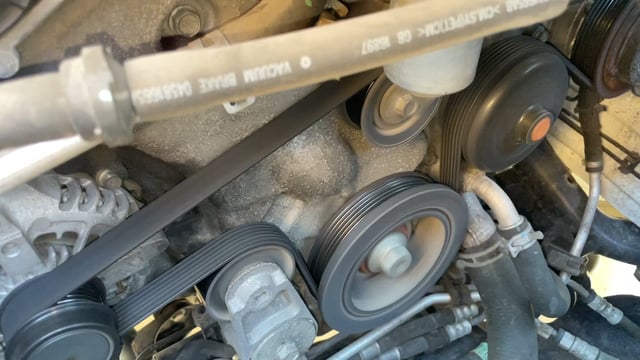
A non-obvious tip: Take a picture of your engine before removing the old belt. This gives you a real-world reference, not just the diagram.
Another insight: Check the belt’s grooves. Worn or glazed grooves mean it’s time for a new belt, even if it looks unbroken.
When To Replace The Serpentine Belt
Manufacturers usually recommend changing the serpentine belt every 60,000 to 100,000 miles. However, heat, dirt, and fluid leaks can shorten belt life. If you see cracks, missing chunks, or hear squealing, replace it sooner.
Here’s a quick reference for lifespan comparison:
| Component | Expected Lifespan (Miles) |
|---|---|
| Serpentine Belt | 60,000 – 100,000 |
| Tensioner Pulley | 80,000 – 120,000 |
| Idler Pulley | 80,000 – 120,000 |
Always inspect the belt and pulleys during regular maintenance.