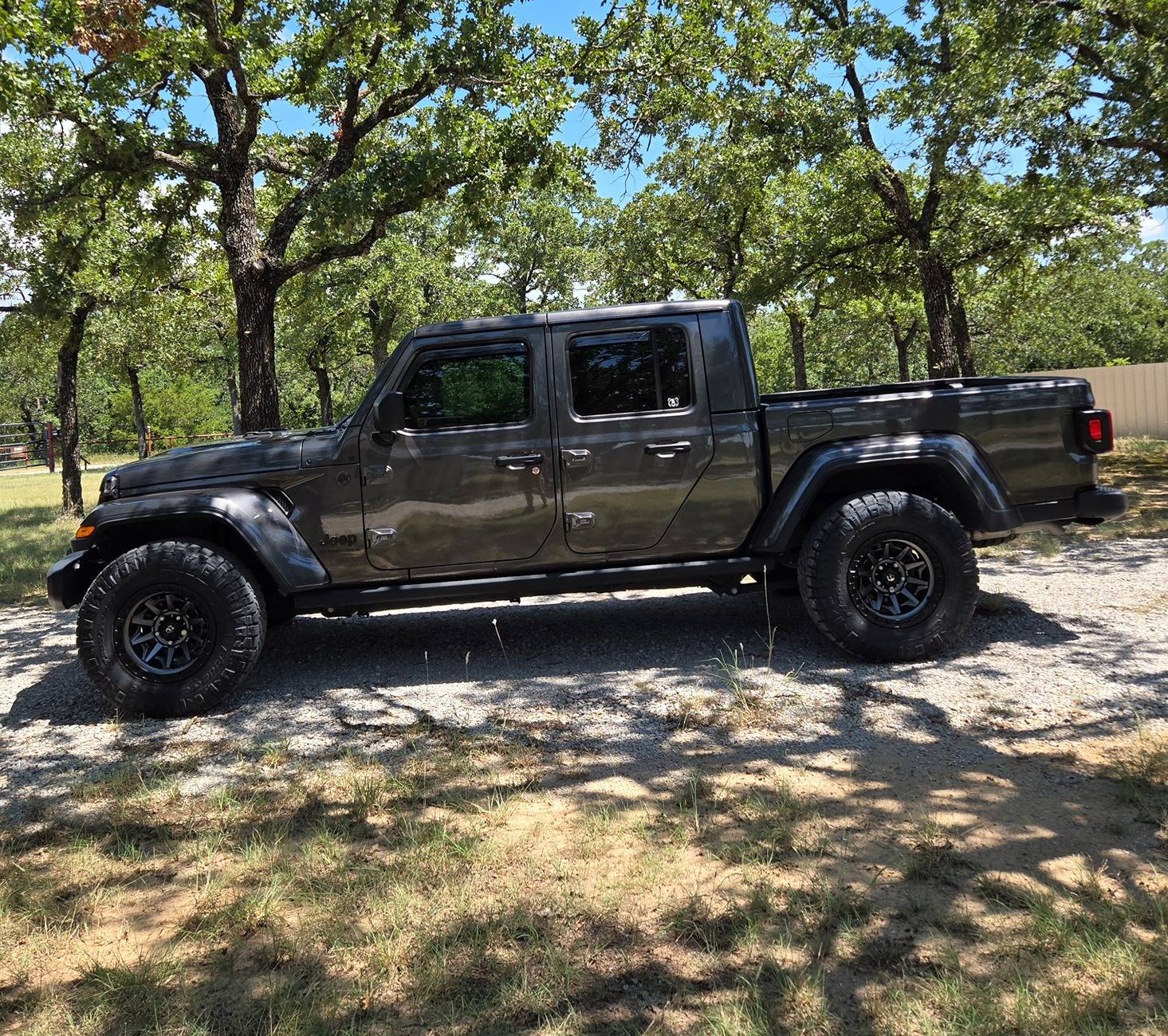
The Jeep Gladiator blends the rugged power of a pickup with the heart of a classic Jeep. One detail that often gets overlooked, though, is its tire pressure.
Setting and checking the right tire pressure affects everything—from safety to how comfortable your ride feels. Even small mistakes can cost you fuel, money, or control on the road.
Let’s break down what every Gladiator owner needs to know about tire pressure, including helpful tips, common errors, and answers to the most asked questions.
Why Tire Pressure Matters For Your Jeep Gladiator
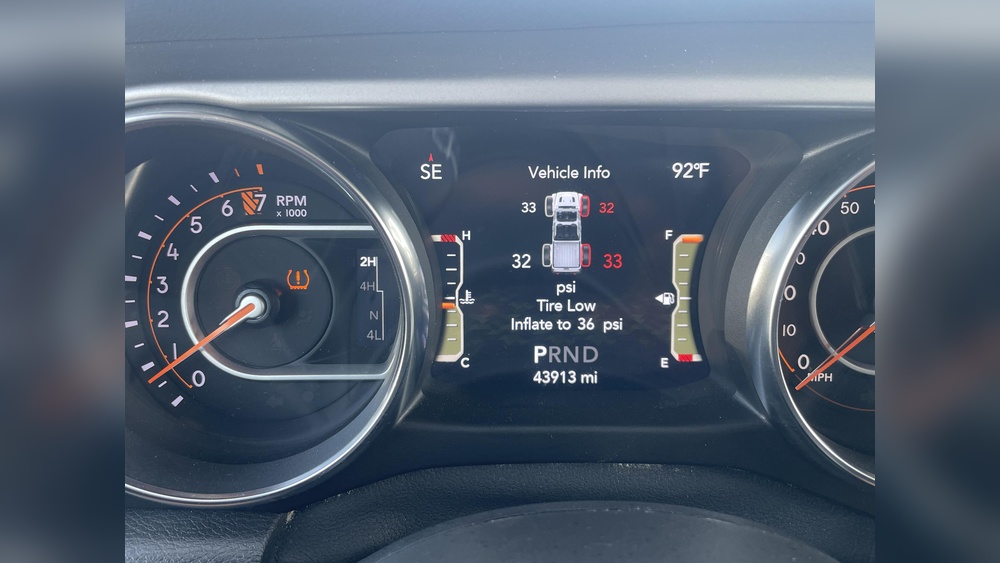
Tire pressure isn’t just a number on your dashboard. It’s a key part of how your Jeep Gladiator handles, brakes, and even saves fuel. Driving with tires that are too soft or too hard can create problems you might not notice until it’s too late.
- Safety: Under-inflated tires increase stopping distance and risk of blowouts.
- Performance: Correct pressure keeps steering precise and the ride comfortable.
- Cost: Right pressure helps tires last longer and improves gas mileage.
Many drivers forget how fast tire pressure changes with weather or heavy loads. For example, a cold morning can drop your tire pressure by 1-2 PSI.
Overlooking these details can turn a smooth drive into a risky one.
Jeep Gladiator Tire Pressure: Factory Recommendations
Most Jeep Gladiator models come with factory-recommended tire pressures. These numbers are tested for the best balance of comfort, handling, and wear.
| Model Year | Front Tire Pressure (PSI) | Rear Tire Pressure (PSI) |
|---|---|---|
| 2020–2026 | 37 | 37 |
You can find the exact PSI for your Gladiator on a sticker inside the driver’s door jamb or in your owner’s manual. Always check these sources before making changes, especially if you switch to non-stock tires.
What If I Change Tire Size?
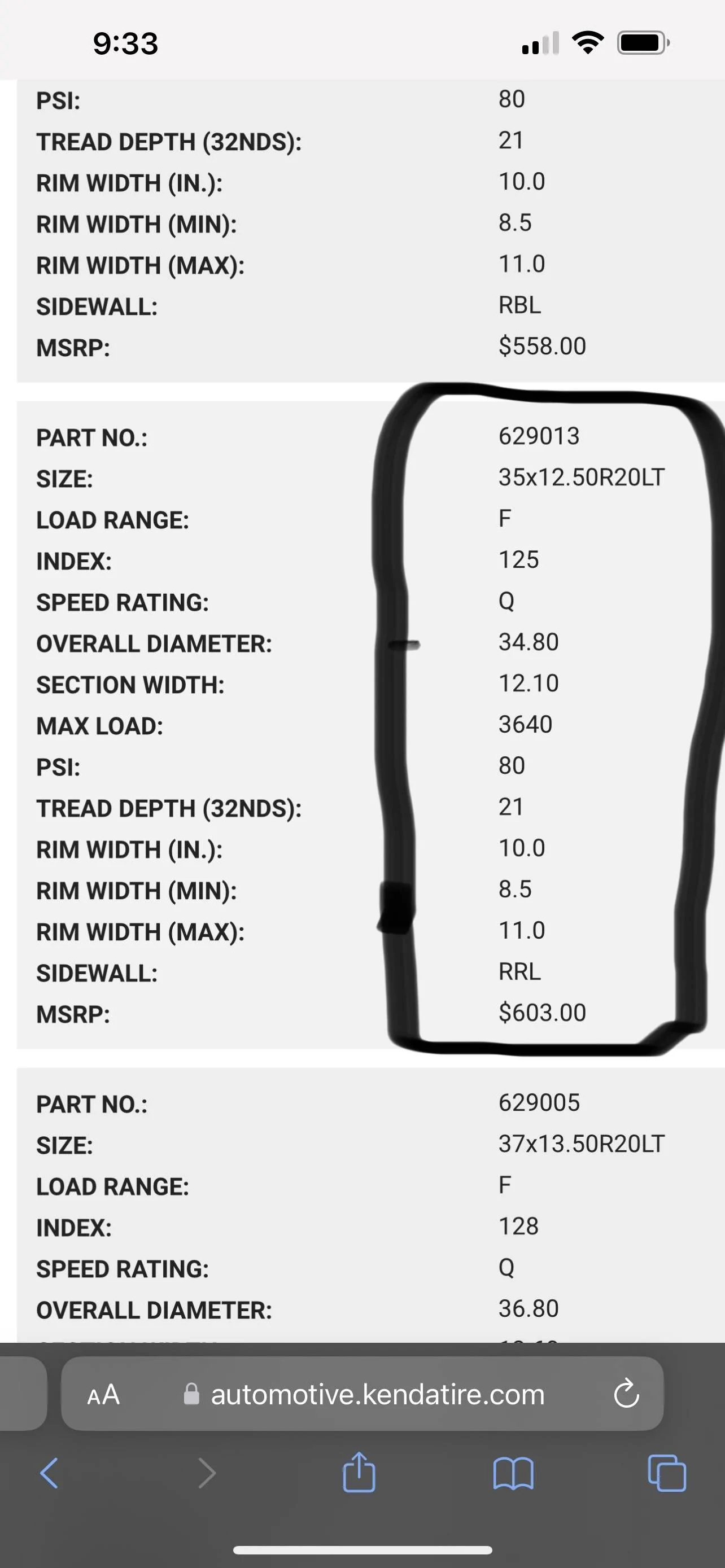
Many Gladiator owners upgrade to bigger, off-road tires. If you do this, the factory PSI may not apply.
Larger tires often need less pressure to spread the weight evenly, while smaller or low-profile tires might need more.
Before making guesses, ask your tire shop or check the tire maker’s website. Driving with the wrong PSI in aftermarket tires can cause fast, uneven wear and poor handling.
How To Check And Adjust Tire Pressure
Checking tire pressure is simple and takes only a few minutes. Consistency is the key.
- Wait for Cold Tires: Tire pressure is most accurate when the tires are cool, usually before driving in the morning.
- Use a Reliable Gauge: Digital gauges are more accurate than the pen-style ones.
- Remove Cap and Read: Take off the valve cap, press the gauge firmly, and note the reading.
- Adjust if Needed: Add or release air to match the recommended PSI.
- Repeat Monthly: Check tires at least once a month and before long trips.
| Situation | How Often to Check |
|---|---|
| Normal driving | Every 4 weeks |
| After off-roading | Immediately |
| Before long trips | Before departure |
Pro tip: Always check the spare tire, too. Many drivers forget it, only to find it flat when needed most.
Tire Pressure For Different Uses: Road Vs. Off-road
The Jeep Gladiator is often used off-road, where tire pressure rules change. Lowering PSI helps tires grip better on sand, mud, or rocks. But, running low pressure on highways is dangerous.
- Highway driving: Stick to the factory PSI (usually 37).
- Off-roading: You might drop to 18–25 PSI for better traction.
Always re-inflate your tires to the correct PSI before returning to pavement. Driving too long on low pressure can overheat tires and cause damage.
| Surface | Recommended PSI |
|---|---|
| Pavement | 37 |
| Sand | 18–20 |
| Rocks | 22–25 |
https://www.youtube.com/watch?v=rKibe_GmFvQ
Common Mistakes Gladiator Owners Make
- Trusting the dash light only: The TPMS (tire pressure monitoring system) may not warn you until pressure is dangerously low.
- Ignoring seasonal changes: Cold weather lowers PSI. Hot days raise it. Adjust every season.
- Using gas station gauges: These are often inaccurate due to heavy use.
- Not adjusting for loads: Heavy cargo or towing needs higher tire pressure. Check your owner’s manual for exact numbers.
- Forgetting about tire rotation: Unbalanced tires can lose air faster.
Many beginners also forget that new tires sometimes need a few days to “settle. ” Always check pressure again after a new tire install.
Signs Of Incorrect Tire Pressure
It’s not always obvious when your Jeep Gladiator tires are at the wrong PSI. Watch for these signs:
- Uneven tire wear (more in the center or edges)
- Pulling to one side while driving
- Low fuel efficiency
- Longer stopping distances
- Vibration or shaking at certain speeds
If you notice any of these, check your pressure right away. Fixing small problems early can prevent bigger (and more expensive) issues.