A coolant leak in your Jeep Gladiator can quickly turn from a small nuisance into a big headache. If you see puddles under your truck or notice the temperature gauge climbing, it’s time to act.
Ignoring a coolant leak risks overheating, expensive repairs, and even engine damage. Let’s explore why these leaks happen, how to find the source, and what you should do to fix the problem.
Why Coolant Leaks Happen In The Jeep Gladiator
The Jeep Gladiator is known for its rugged performance, but like any vehicle, it can develop coolant leaks. Most leaks come from common wear and tear or simple part failures.
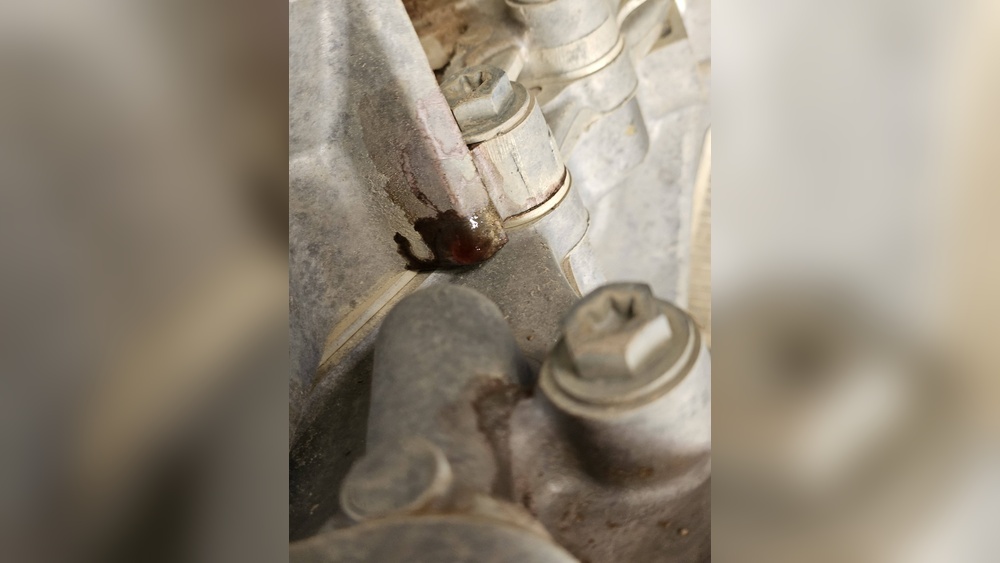
Some typical causes are:
- Damaged radiator hoses – These rubber hoses can crack over time, especially in hot or cold climates.
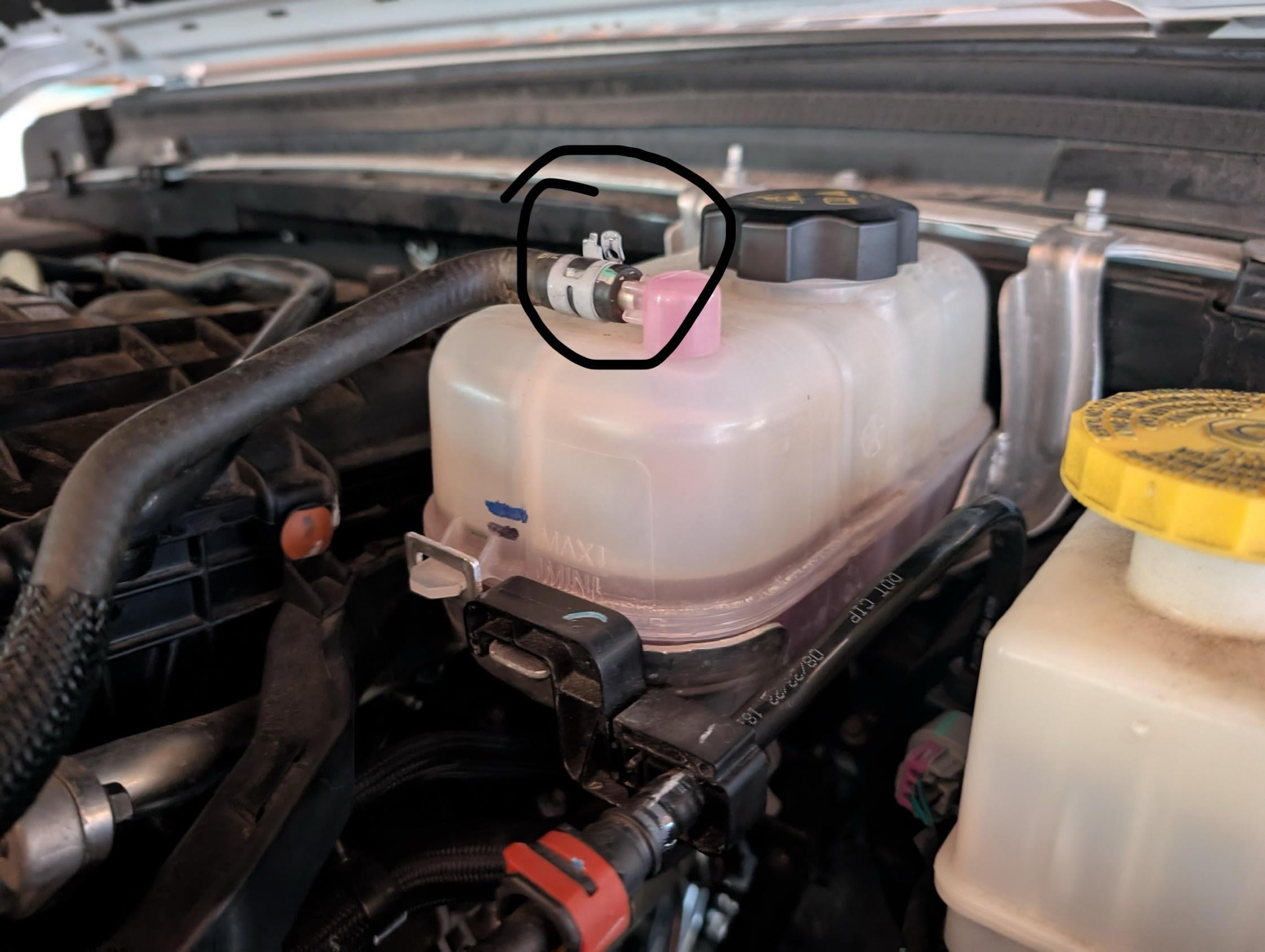
- Loose or corroded hose clamps – Clamps keep hoses tight. If they fail, coolant seeps out.
- Radiator damage – Rocks or debris can puncture the radiator’s thin metal.
- Faulty water pump – The water pump circulates coolant. Its seals can fail, leading to leaks.
- Cracked engine block or head gasket – Rare but serious, these leaks often mix coolant with oil.
A non-obvious insight: Even a small pinhole in a hose or radiator can leak enough coolant to cause overheating after just a few miles. Don’t ignore even tiny drops under your Jeep.
How To Spot A Coolant Leak
Catching a coolant leak early saves money and keeps your Gladiator reliable. Many drivers miss the early signs.
Look for these warning signals:
- Puddles or stains under the engine (usually green, orange, or pink liquid)
- Sweet smell from the engine bay
- Steam or white smoke from under the hood
- High engine temperature or warning lights on the dashboard
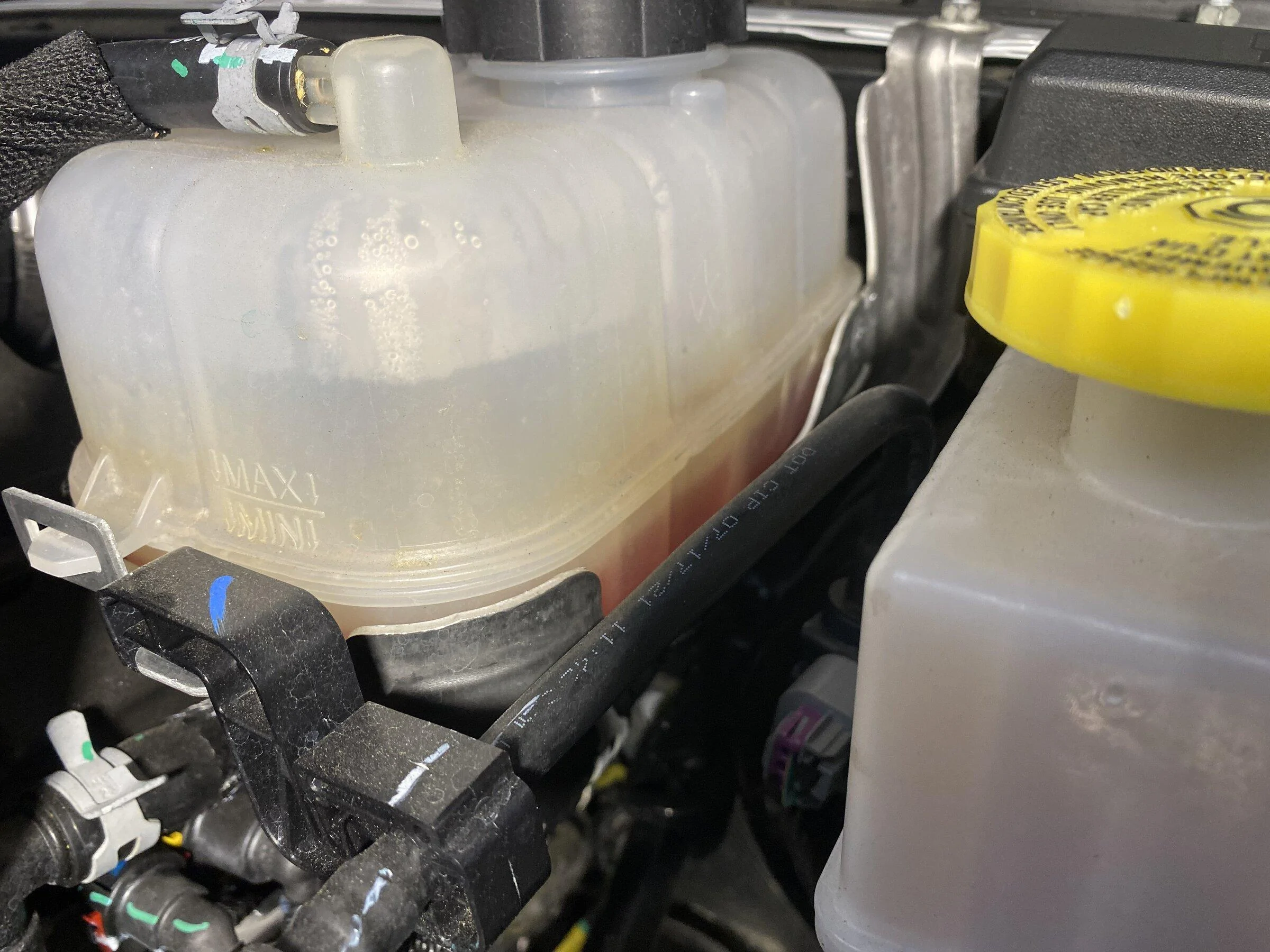
- Low coolant level in the reservoir
If you notice any of these, act fast. Driving with low coolant can warp engine parts or destroy the head gasket.
Common Leak Locations In The Jeep Gladiator
Not all leaks are easy to spot. Here are the most likely places to check:
| Location | Possible Issue | Signs |
|---|---|---|
| Radiator | Punctures, cracked seams | Coolant at front of engine bay |
| Heater Core | Leaks inside cabin | Wet carpets, fogged windows |
| Water Pump | Seal failure | Drips near timing cover |
| Hoses/Clamps | Cracks, loose clamps | Coolant trails along hoses |
A mistake many owners make: Ignoring leaks near the heater core, which can slowly soak carpets and cause mold. Always check the passenger floor if you smell coolant inside.
Diagnosing The Leak: Simple Methods
You don’t need special skills to find most leaks. Here are steps to help:
- Check coolant level – Make sure the engine is cool. Open the radiator cap and reservoir to see if coolant is low.
- Look for visible leaks – Use a flashlight to check under the hood and beneath the Jeep.
- Feel around hoses and radiator – Carefully run your hand (with gloves) along hoses and the radiator for wet spots.
- Pressure test – A radiator pressure tester (available at auto stores) pumps air into the system to reveal slow leaks.
- Check the oil – If the oil looks milky, coolant may be leaking inside the engine (bad head gasket).
| Method | Skill Level | Tools Needed |
|---|---|---|
| Visual inspection | Beginner | Flashlight, gloves |
| Pressure test | Intermediate | Pressure tester |
| Oil check | Beginner | Paper towel, dipstick |

Fixing A Coolant Leak: What You Can Do
Not all leaks need a mechanic. Here’s what you can try:
- Tighten clamps if hoses are loose.
- Replace worn hoses with new ones. Use OEM parts for the best fit.
- Patch small radiator leaks with a radiator sealant as a temporary fix.
- Top off coolant with the correct type (never mix colors).
But, for major leaks like a cracked radiator, water pump, or head gasket, it’s safer to visit a trusted mechanic.
Tip: Always fix the root cause, not just the symptom. Adding coolant without repairing the leak can cause bigger problems later.
Cost Of Repair: What To Expect
Repair costs can vary. Simple fixes like hose replacement are affordable, while major engine repairs can be expensive.
Here’s a quick look at average repair costs:
| Repair Type | Estimated Cost | Typical Time |
|---|---|---|
| Hose replacement | $50 – $200 | 1 hour |
| Radiator replacement | $400 – $900 | 2–4 hours |
| Water pump | $300 – $700 | 2–3 hours |
| Head gasket | $1,200 – $2,500 | 1–2 days |
Prices can change based on location, labor rates, and whether aftermarket or original parts are used.
Preventing Coolant Leaks In Your Gladiator
Prevention is cheaper than repair. Here’s how to reduce leak risks:
- Inspect hoses and clamps every oil change.
- Flush coolant every 3 years or 36,000 miles (check your manual for details).
- Use the correct coolant type—mixing types can cause corrosion.
- Watch the temperature gauge on hot days or when towing.
- Fix small problems quickly before they get worse.
A hidden insight: Many leaks start after off-roading or heavy towing. Check for leaks after tough drives, even if the Jeep seems fine.
When To Call A Professional
If you see coolant mixing with oil, constant overheating, or leaks you can’t find, call a certified mechanic. These are signs of serious problems that can destroy your engine if ignored.
For more technical details on the Jeep Gladiator’s cooling system, you can visit the official Jeep Gladiator page.
Frequently Asked Questions
How Do I Know If My Jeep Gladiator Has A Coolant Leak?
Look for colored puddles under the vehicle, a sweet smell, or a rising temperature gauge. Check the coolant reservoir—if it’s low, you may have a leak.
Can I Drive With A Small Coolant Leak?
It’s risky. Even a small leak can lead to overheating and engine damage. Top off coolant if needed, but fix the leak as soon as possible.
What Type Of Coolant Does The Jeep Gladiator Use?
Most models use OAT (Organic Acid Technology) coolant. Always check your owner’s manual or the reservoir cap for the correct type.
How Often Should I Check My Coolant Level?
Check your coolant level at least once a month or before long trips. More frequent checks are smart if you’ve had leaks before.
Is It Normal For Coolant To Evaporate Over Time?
No, coolant should not evaporate. If you need to add coolant often, there’s likely a leak in the system.
A coolant leak in your Jeep Gladiator should never be ignored. By spotting early signs, understanding the risks, and acting quickly, you keep your truck reliable for years to come.
Regular checks and quick repairs save you money and stress down the road.