Jeep. The name itself conjures images of rugged trails, open skies, and the freedom to explore.
For decades, Jeep has been synonymous with off-road capability and adventurous spirit. If you're looking to buy a Jeep four-wheeler, understanding the price is a crucial first step.
The cost of a Jeep isn't just about the sticker price; it involves a range of factors, from model selection and trim levels to optional features and market conditions.
This guide will help you understand the pricing of Jeep four-wheel-drive vehicles, what influences them, and how to make an informed decision.
The world of Jeep vehicles is diverse, offering everything from compact SUVs designed for city life with off-road aspirations to full-blown, trail-ready machines built for extreme adventures. This variety means that prices can swing dramatically. A brand-new Wrangler Rubicon, equipped for serious off-roading, will command a significantly higher price than a Compass or Cherokee with four-wheel drive, which are often more focused on comfort and daily usability.
When you start researching Jeep prices, you’ll quickly notice that the MSRP (Manufacturer’s Suggested Retail Price) is just a starting point. Actual transaction prices can vary based on dealer incentives, regional demand, and the specific options you choose. Furthermore, the used Jeep market offers a different set of price points, often providing more affordable entry into the Jeep lifestyle. This article aims to break down the costs associated with Jeep four-wheel-drive vehicles, helping you budget effectively and find the right Jeep for your needs and your wallet.
Understanding Jeep’s Four-wheel Drive Systems
Before diving into prices, it's important to know that Jeep offers different types of four-wheel-drive (4WD) systems. The price of a Jeep can be influenced by the sophistication and capability of its 4WD system.
Understanding these systems helps justify the price differences between models and trims.
Jeep’s 4WD systems are a core part of its identity. They are engineered to provide traction and control in challenging conditions, from slippery roads to rocky trails. The most common systems include:
- Command-Trac®: This is a more basic, part-time 4WD system found on models like the Wrangler Sport and Sport S. It allows the driver to shift between 2WD and 4WD modes. It’s excellent for on-demand traction but generally not recommended for use on dry, paved surfaces in 4WD mode, as it can cause drivetrain binding.
- Selec-Trac®: This system offers a more convenient, full-time 4WD experience. It can automatically switch between 2WD and 4WD based on detected wheel slip, providing enhanced traction without driver intervention. This system is often found on higher trims of models like the Cherokee and Grand Cherokee.
- Rock-Trac®: This is the ultimate 4WD system for serious off-roading, standard on Rubicon models of the Wrangler. It features a lower crawl ratio (for slower, controlled descents and ascents over obstacles) and stronger axles, making it ideal for extreme terrain.
- Quadra-Trac® and Quadra-Drive®: These are advanced 4WD systems primarily found on Grand Cherokee models. They offer various levels of sophistication, including electronic limited-slip differentials (ELSD) that can distribute torque to the wheel with the most grip, further enhancing off-road and on-road capability.
The inclusion of more advanced systems like Rock-Trac® or Quadra-Drive® will naturally increase the price of a Jeep due to the added engineering, stronger components, and enhanced performance.
New Jeep Four Wheeler Prices By Model Lineup
Jeep offers a diverse range of vehicles, each with its own pricing structure. Here's a look at the approximate price ranges for new Jeep four-wheel-drive models.
Prices can vary significantly based on trim level, optional features, and current market conditions.
The prices listed are typical MSRPs for the 2026-2026 model years and do not include destination fees, taxes, or dealer markups.
Jeep Wrangler
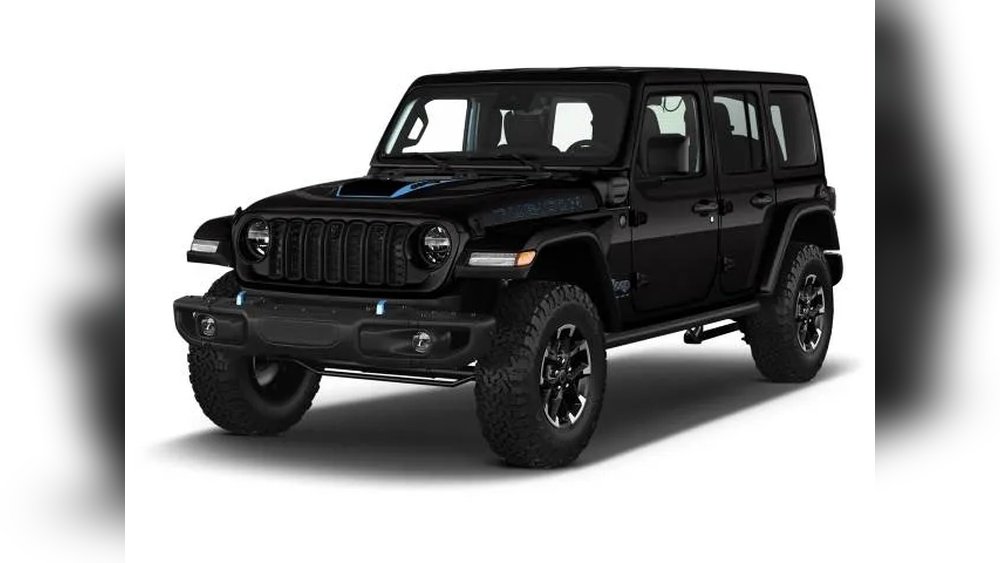
The Jeep Wrangler is the icon of the brand, built for off-road adventure. Its pricing reflects its specialized capabilities.
- Wrangler Sport (2-Door): Starting MSRP around $30,000 – $33,000. This is the most basic model, often equipped with the Command-Trac® system.
- Wrangler Sport S (2-Door): Starting MSRP around $33,000 – $36,000. Adds a few more creature comforts and options.
- Wrangler Willys (2-Door): Starting MSRP around $37,000 – $40,000. Includes some off-road enhancements like larger tires and suspension upgrades.
- Wrangler Rubicon (2-Door): Starting MSRP around $45,000 – $48,000. Features the robust Rock-Trac® 4WD system, locking differentials, and disconnecting sway bars for extreme off-roading.
- Wrangler Unlimited (4-Door) Models: All the above trims are also available in a 4-door configuration (Unlimited), which typically adds $3,000 – $4,000 to the MSRP.
- Wrangler High Altitude, Rubicon 392, and other special editions: These can push the price well over $50,000, with the V8-powered Rubicon 392 starting upwards of $85,000.
Pro Tip: When pricing a Wrangler, consider if you truly need the extreme off-road features of the Rubicon. For many users who enjoy light trails and challenging weather, a Sport S or Willys with the optional 4WD system might be a more cost-effective choice.
Jeep Grand Cherokee
The Jeep Grand Cherokee offers a blend of luxury, comfort, and off-road capability. Its pricing reflects its more premium positioning.
- Grand Cherokee Laredo (4×4): Starting MSRP around $40,000 – $43,000. A well-equipped base model with a capable 4WD system.
- Grand Cherokee Altitude (4×4): Starting MSRP around $45,000 – $48,000. Adds cosmetic upgrades and popular features.
- Grand Cherokee Limited (4×4): Starting MSRP around $48,000 – $51,000. Includes more premium interior features and advanced technology.
- Grand Cherokee Overland (4×4): Starting MSRP around $55,000 – $58,000. Offers a more luxurious interior, advanced suspension, and higher-end features.
- Grand Cherokee Summit (4×4): Starting MSRP around $60,000 – $63,000. The top luxury trim, featuring premium materials and extensive technology.
- Grand Cherokee Trailhawk (4×4): Starting MSRP around $52,000 – $55,000. Specifically designed for off-road capability within the Grand Cherokee lineup, often featuring Quadra-Lift air suspension and advanced 4WD systems.
- Grand Cherokee 4xe (Plug-in Hybrid): Available on select trims (like the Trailhawk, Overland, Summit), these models add a significant premium, often starting around $60,000 and going up to $70,000+.
Jeep Cherokee
The Jeep Cherokee slots below the Grand Cherokee, offering a balance of on-road comfort and Jeep’s signature 4WD capability.
- Cherokee Latitude (4×4): Starting MSRP around $30,000 – $33,000. A good entry point for a comfortable SUV with 4WD.
- Cherokee Latitude Lux (4×4): Starting MSRP around $33,000 – $36,000. Adds more comfort features like heated seats and a power driver’s seat.
- Cherokee Limited (4×4): Starting MSRP around $37,000 – $40,000. Offers more premium amenities and technology.
- Cherokee Trailhawk (4×4): Starting MSRP around $38,000 – $41,000. This trim is optimized for off-road performance with features like a more advanced 4WD system, higher ground clearance, and skid plates.
Jeep Compass
The Jeep Compass is a compact SUV that offers Jeep’s styling and available 4WD for those who want a smaller, more urban-friendly vehicle with off-road chops.
- Compass Latitude (4×4): Starting MSRP around $28,000 – $31,000. The base 4WD model.
- Compass Freedom (4×4): Starting MSRP around $29,000 – $32,000. Often includes special badging and some added features.
- Compass Altitude (4×4): Starting MSRP around $31,000 – $34,000. Features blacked-out exterior accents and other styling cues.
- Compass Limited (4×4): Starting MSRP around $34,000 – $37,000. Offers more premium interior materials and advanced tech features.
- Compass Trailhawk (4×4): Starting MSRP around $35,000 – $38,000. This trim is specifically designed for off-road use, featuring Jeep’s Active Drive II 4WD system with low-range gearing, Selec-Terrain® traction control, and increased ground clearance.
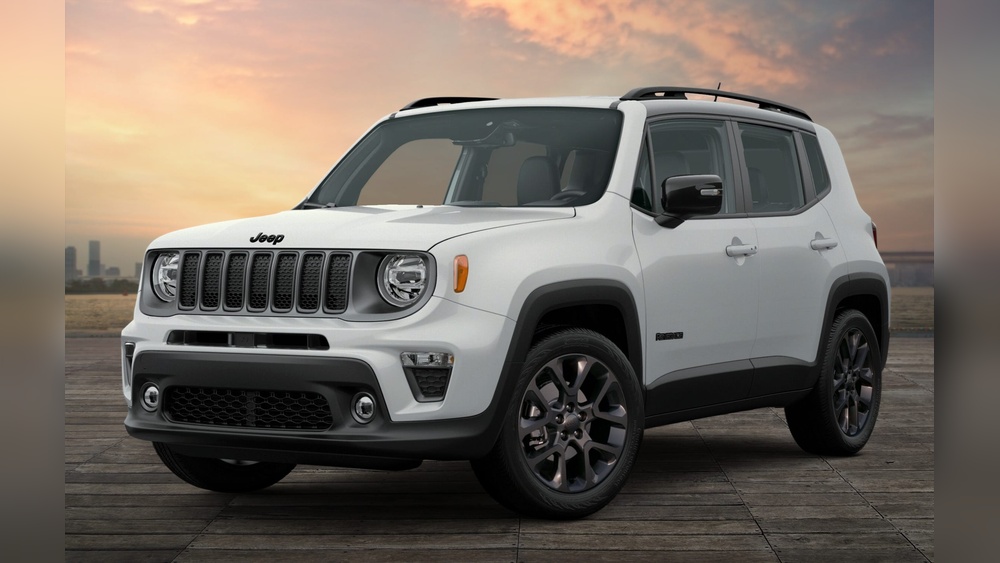
Jeep Renegade
The Jeep Renegade is the smallest SUV in the Jeep lineup, offering a unique style and surprising off-road capability for its size, especially in the Trailhawk trim.
- Renegade Latitude (4×4): Starting MSRP around $26,000 – $29,000. The entry-level 4WD model.
- Renegade Altitude (4×4): Starting MSRP around $28,000 – $31,000. Focuses on cosmetic enhancements.
- Renegade Limited (4×4): Starting MSRP around $30,000 – $33,000. Adds more comfort and convenience features.
- Renegade Trailhawk (4×4): Starting MSRP around $31,000 – $34,000. This is the most capable off-road Renegade, equipped with the Jeep Active Drive Low 4×4 system, including a 20:1 crawl ratio, and other trail-ready features.

Factors Influencing Jeep Four Wheeler Prices
The price tag on a Jeep is not static. Several key factors contribute to the final cost you'll see at the dealership or when comparing online listings.
Understanding these elements can help you budget more accurately and potentially find ways to save money.
Trim Levels And Features
This is perhaps the most significant factor. As seen in the model breakdowns above, each Jeep model comes with multiple trim levels. Base trims offer essential functionality, while higher trims add:
- Engine Options: More powerful engines, like the V8 in the Wrangler Rubicon 392 or the plug-in hybrid system in the Grand Cherokee 4xe, significantly increase the price.
- 4WD System Sophistication: As discussed, advanced systems like Rock-Trac® or Quadra-Drive® with electronic locking differentials and low-range gearing come at a premium.
- Interior Comfort and Technology: Leather seats, premium audio systems (like Alpine or Harman Kardon), larger infotainment touchscreens, navigation, advanced driver-assistance systems (ADAS), heated/ventilated seats, and panoramic sunroofs all add to the cost.
- Exterior Enhancements: Larger wheels, off-road tires, unique paint colors, skid plates, tow hooks, and specialized suspension components (like the Jeep’s Quadra-Lift air suspension) contribute to higher prices.
Optional Packages
Manufacturers often group desirable features into optional packages. For instance, a “Technology Group” might include adaptive cruise control and advanced safety features, while an “Off-Road Adventure Group” could add all-terrain tires, rock rails, and a performance suspension. These packages can offer a slight discount compared to adding each feature individually, but they still add a substantial amount to the base price.
Engine And Drivetrain Choices
While most Jeeps are available with 4WD, the specific engine paired with that drivetrain also impacts cost. Base engines are typically less expensive.
More powerful V6 or V8 engines, or specialized powertrains like the Wrangler's turbocharged inline-four or the Grand Cherokee's plug-in hybrid system, come with a higher price tag due to their complexity and performance capabilities.
Popularity And Demand
Jeep vehicles, especially the Wrangler, are highly sought after. High demand can lead to dealer markups, where the actual selling price exceeds the MSRP. This is particularly true for special editions or models with limited production runs. Conversely, if a particular model or trim isn’t selling as well in a specific region, you might find better negotiation opportunities.
Location And Dealer Incentives
Prices can vary geographically. Dealers in areas with high Jeep interest or in regions with a higher cost of living might have higher base prices. Manufacturer incentives, such as rebates, low-APR financing, or special lease deals, can significantly reduce the overall cost of purchasing a new Jeep. These change regularly, so it’s worth checking the official Jeep website or a local dealer for current offers.
Model Year And Condition (for Used Jeeps)
For the used market, the model year is a primary determinant of price. Newer used Jeeps will naturally cost more than older ones. Mileage, overall condition (both mechanical and cosmetic), maintenance history, and the presence of aftermarket modifications (especially off-road upgrades) will all influence the value of a pre-owned Jeep. A well-maintained, low-mileage Jeep with desirable factory options will command a higher price than a worn-out model with many miles.
Comparing New Vs. Used Jeep Prices
Deciding between a new or used Jeep involves weighing cost, depreciation, and features.
New Jeep Prices
Pros:
- Latest Technology and Features: You get the most up-to-date infotainment, safety features, and engine technology.
- Full Warranty: New Jeeps come with comprehensive factory warranties, offering peace of mind against unexpected repair costs.
- Customization: You can often order a new Jeep exactly to your