If your Jeep’s check engine light just came on and you spotted the code P0440, you might be wondering what’s going on under the hood. This code points to an issue with your vehicle’s Evaporative Emission Control System (EVAP), which helps keep fuel vapors from escaping into the air.
You might feel confused or worried, but don’t panic. Understanding what causes the P0440 code and how to fix it can save you time, money, and stress.
You’ll learn the most common reasons behind this code, simple steps you can take to diagnose the problem, and whether it’s safe to keep driving your Jeep.
Keep reading to get your Jeep back on the road smoothly and confidently.
What P0440 Means
The P0440 code signals a problem in the EVAP system of your Jeep. EVAP stands for Evaporative Emission Control System.
It stops fuel vapors from escaping into the air. This system keeps the environment clean and helps your Jeep run well.
P0440 means there is a general fault in the EVAP system. The engine control module (ECM) found a leak or a part that is not working right.
This code does not point to one exact issue. It covers a range of possible problems in the system.
Understanding The Evap System
The EVAP system traps fuel vapors from the gas tank. It stores these vapors in a charcoal canister.
When the engine runs, the vapors are sent to the engine to burn. This stops pollution and saves fuel.
If the system leaks or a component fails, the engine light comes on. The P0440 code tells you the system is not sealing or working properly.
Common Causes Of P0440
One common cause is a loose or damaged gas cap. A gas cap that is not tight lets vapors escape.
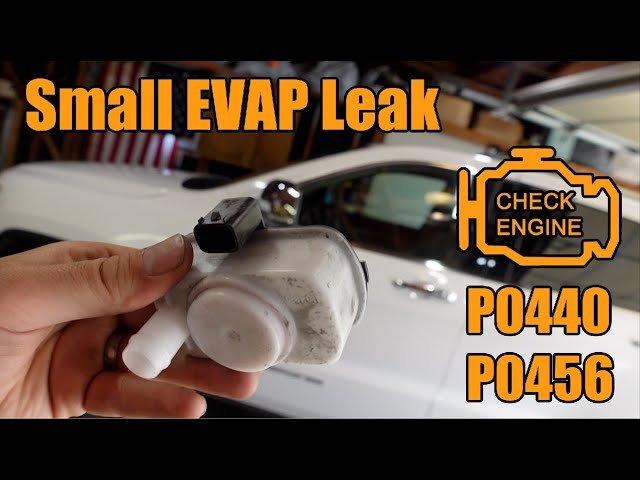
Another cause is a faulty purge valve. This valve controls vapor flow to the engine.
If stuck open or closed, it triggers the code.
Other causes include cracked hoses or leaks in the vapor canister. Sensors that detect leaks can also fail and cause this code.
Signs Of P0440 In Your Jeep
The check engine light will turn on. Sometimes, you may notice a strong gas smell near your Jeep.
Fuel economy may drop slightly. The engine might run rough or have trouble starting.
These signs mean the EVAP system needs attention.
Common Causes
The Jeep DTC P0440 code signals a problem in the EVAP system. This system stops fuel vapors from escaping into the air.
Several common issues cause this code. Understanding these helps with quick fixes and repairs.
Faulty Purge Valve
The purge valve controls fuel vapors entering the engine. If it sticks open, vapors flow when they should not.
This triggers the P0440 code. A valve stuck closed can also cause issues.
Testing the valve for airflow helps find faults.
Loose Or Damaged Gas Cap
A loose gas cap lets fuel vapors escape. This is the simplest cause of the P0440 code.
Sometimes, the gas cap seal wears out. Even if tight, a damaged cap can fail to seal properly.
Checking or replacing the gas cap often solves the problem.
Cracked Hoses And Connections
Hoses connect parts of the EVAP system. Cracks or breaks in hoses cause vapor leaks.
These leaks trigger the P0440 code. Even small cracks can cause issues.
Inspecting all hoses and connections is important for fixing this error.
Charcoal Canister Issues
The charcoal canister stores fuel vapors until the engine burns them. If it clogs or cracks, vapors escape.
This causes the EVAP system to fail. A damaged canister needs repair or replacement to clear the P0440 code.
Diagnosing The Problem
Diagnosing the Jeep DTC P0440 code requires careful inspection of the EVAP system. This code signals an issue with the evaporative emission control system.
Identifying the exact cause helps avoid unnecessary repairs. Start with simple checks and move to detailed tests. Follow these steps to find the problem.
Checking The Gas Cap
The gas cap is often the cause of the P0440 code. A loose or damaged cap lets fuel vapors escape.
Begin by removing the gas cap and inspecting it for cracks or worn seals. Tighten it firmly when you replace it.
Drive the Jeep to see if the code clears. A faulty gas cap is an easy fix.
Testing The Purge Valve
The purge valve controls fuel vapor flow to the engine. A stuck open valve triggers the P0440 code.
Remove the valve from the engine bay. Try blowing air through it.
Air should not pass freely when the valve is closed. If air passes easily, replace the valve.
This test is quick and helps pinpoint the issue.
Inspecting Hoses And Seals
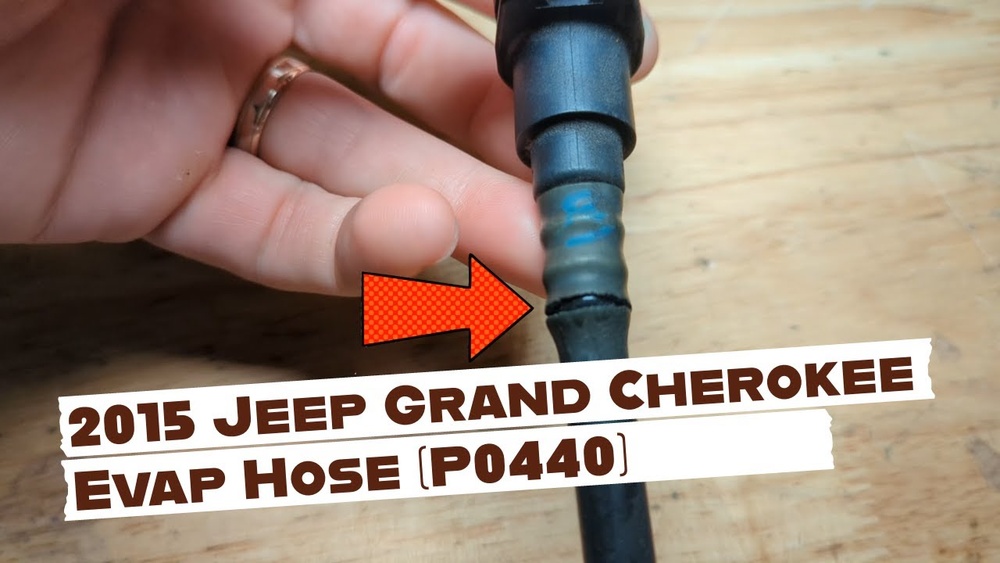
Cracked or loose hoses cause vapor leaks and set off the P0440 code. Check all hoses connected to the EVAP system.
Look for cracks, holes, or loose fittings. Feel for any give or movement where hoses connect.
Replace any damaged hoses or tighten connections. Seals around the fuel tank and canister also need inspection.
Using A Smoke Test
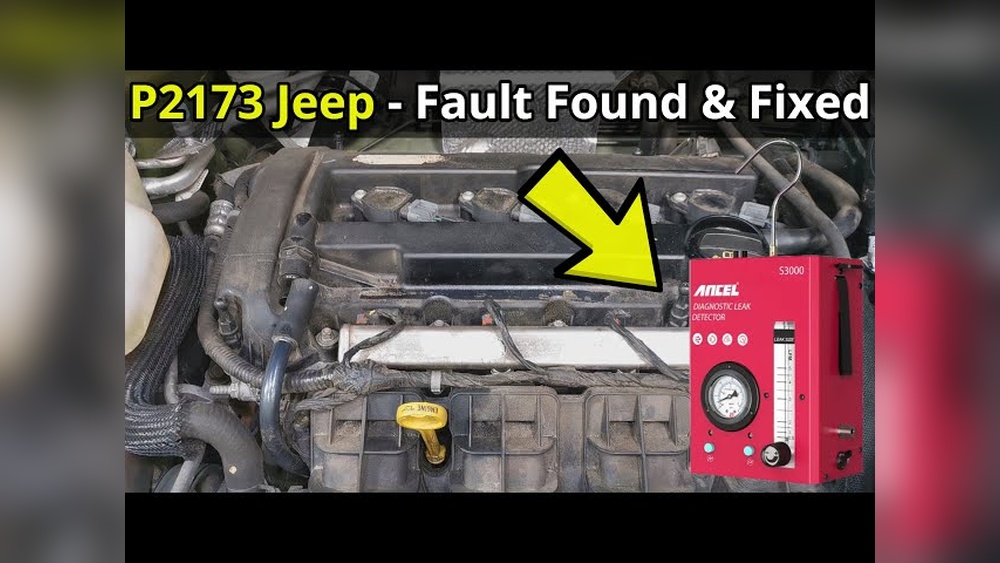
A smoke test reveals hidden leaks in the EVAP system. It pumps smoke into the fuel system and shows where vapor escapes.
Mechanics use a special machine to do this test. Watch carefully for smoke coming from cracks or loose parts.
This test finds leaks that are invisible to the naked eye. It helps solve stubborn P0440 codes.

Step-by-step Fixes
Fixing Jeep DTC P0440 needs a clear plan. Follow these steps to resolve the issue.
Each step targets a common cause of the error code. Work carefully to restore your Jeep’s EVAP system.
Replacing The Gas Cap
Start with the gas cap. A loose or damaged cap often causes the P0440 code.
Remove the cap and check for cracks or worn seals. Replace it with a new, tight-fitting cap.
After replacing, tighten the cap firmly until it clicks. This simple fix can clear the code quickly.
Swapping The Purge Valve
The purge valve controls fuel vapors to the engine. It can get stuck open or closed.
Locate the valve near the intake manifold. Disconnect it and try to blow air through.
If air flows too easily or not at all, replace the valve. Installing a new purge valve can stop vapor leaks and fix the code.
Repairing Or Replacing Hoses
Check all EVAP hoses for cracks or loose connections. Even small leaks can trigger the P0440 code.
Inspect hoses carefully, feeling for soft spots or holes. Replace damaged hoses with new ones made for your Jeep.
Secure all connections tightly to stop vapor leaks.
Cleaning Or Changing The Charcoal Canister
The charcoal canister traps fuel vapors. It can clog or get damaged over time.
Remove the canister and inspect it for dirt or cracks. Clean it gently with compressed air if clogged.
Replace the canister if damaged or too dirty to clean. A clean canister helps the EVAP system work properly.
Tools You’ll Need
To diagnose and fix Jeep DTC P0440, gather the right tools first. Having these tools ready saves time and effort.
It helps you check the EVAP system efficiently. Here are the essential tools you will need for the job.
Obd-ii Scanner
An OBD-II scanner reads the trouble codes from your Jeep’s computer. It confirms the presence of code P0440. It helps you clear the code after repair too. Choose a scanner that supports live data for better analysis.
Fuel Pressure Gauge
This tool checks fuel system pressure. It helps identify leaks in the EVAP system.
Low or inconsistent pressure may signal a problem. Use it to ensure the fuel system is working correctly.
Smoke Machine
A smoke machine finds leaks in the EVAP system. It pumps smoke into the fuel system lines.
Any escaping smoke shows the exact leak location. This tool is very effective for invisible leaks.
Basic Hand Tools
You will need screwdrivers, pliers, and socket sets. These tools help remove hoses and components.
They also assist in replacing faulty parts like the purge valve. Keep these handy for quick access.
Replacement Parts
Have replacement parts ready, such as a gas cap or purge valve. A damaged gas cap often causes P0440.
A faulty purge valve may also trigger the code. Having parts on hand speeds up repairs.
When To Visit A Mechanic
The Jeep DTC P0440 code signals a problem with the EVAP system. This system traps fuel vapors and stops them from escaping into the air.
Knowing when to visit a mechanic helps avoid further issues. Some signs need quick professional attention.
A mechanic can properly diagnose the problem. They have tools to find leaks or faulty parts.
Simple fixes like tightening a gas cap might not solve all issues. Sometimes parts like the purge valve or vapor canister need repair or replacement.
Check Engine Light Stays On
The check engine light may turn on with the P0440 code. If it stays on after tightening the gas cap, see a mechanic.
The light signals that the EVAP system is not working properly. Ignoring it can lead to more damage.
Fuel Smell Around The Vehicle
A strong fuel odor near your Jeep hints at an EVAP leak. This smell means fuel vapors escape the system.
A mechanic can find the source and fix it. Driving with a fuel leak can be unsafe and cause pollution.
Poor Engine Performance Or Stalling
Trouble starting the engine or rough running can link to EVAP issues. The system affects fuel delivery and engine air mix.
A mechanic can test parts like the purge valve and solenoid. Repair helps restore smooth engine function.
Failed Emissions Test
Failing an emissions test often relates to EVAP system faults. The P0440 code signals fuel vapor leaks that raise emissions.
Mechanics can fix leaks and reset the system. Passing emissions tests keeps your Jeep legal and eco-friendly.
Is It Safe To Drive?
Wondering if it is safe to drive with Jeep DTC P0440? This code means a problem in the EVAP system.
The EVAP system stops fuel vapors from escaping into the air. A fault here can trigger the check engine light.
Driving with this code is generally safe for short distances. The vehicle will still run normally.
But the problem should not be ignored. The EVAP system controls emissions, and a fault can cause pollution.
Ignoring P0440 may lead to other issues. Fuel smell or poor fuel economy might occur.
Long-term driving with this code can damage parts of the fuel system. Fixing the problem soon is best to avoid extra costs.
What Happens If You Keep Driving?
The check engine light stays on while driving. The car may fail an emissions test.
Fuel vapors may leak into the air, causing pollution. Fuel smells might be noticed near the car.
The engine usually runs fine but might lose some efficiency.
When Should You Stop Driving?
Stop driving if you smell strong fuel vapors inside or outside the car. If the check engine light flashes or the engine runs rough, stop immediately.
Any strange noises or difficulty starting are signs to get help. Otherwise, short trips are usually fine until you get repairs done.
How To Minimize Risks While Driving
Check the gas cap first; tighten it properly. Avoid long trips until the issue is fixed.
Keep windows open if you smell fuel inside. Monitor the check engine light for changes.
Schedule a service appointment soon to prevent further damage.
Preventing Future Evap Issues
Preventing future EVAP issues helps keep your Jeep running smoothly. The EVAP system stops fuel vapors from escaping into the air.
Problems with this system often trigger the P0440 code. Regular care lowers the chance of costly repairs.
It also keeps your vehicle eco-friendly and efficient.
Regular Maintenance Tips
Check the gas cap for tightness after refueling. A loose or damaged cap often causes EVAP leaks.
Replace the cap if it looks worn or cracked. Inspect EVAP hoses for cracks or loose connections.
Clean or replace the purge valve if it sticks. Keep the fuel system clean to avoid buildup.
Use quality fuel to reduce vapor problems. Schedule routine checkups with a trusted mechanic.
Monitoring The Check Engine Light
Watch the check engine light for any changes. The light often signals EVAP system trouble early.
Scan the vehicle for trouble codes if the light comes on. Address minor issues quickly to prevent bigger problems.
Don’t ignore a blinking or steady check engine light. Use an OBD-II scanner to read codes at home.
Early detection saves time and money on repairs.
How To Fix Jeep Code P0440?
To fix Jeep code P0440, first check and tighten the gas cap. Inspect the EVAP purge valve and replace if faulty.
Examine hoses for leaks or cracks and repair as needed. Clear the code with a scanner after repairs.
What Is The Most Common Cause Of A P0440 Code?
The most common cause of a P0440 code is a loose or faulty gas cap. It allows fuel vapors to escape, triggering the code.
Is P0440 Safe To Drive Jeep Grand Cherokee?
Yes, you can drive a Jeep Grand Cherokee with a P0440 code. Avoid long trips until fixed. Get the EVAP system checked soon.
Can I Still Drive With A P0440 Code?
You can drive with a P0440 code, but it may cause poor fuel economy and emissions issues. Fix it soon.
Conclusion
The Jeep DTC P0440 code signals an issue in the EVAP system. Common causes include a loose gas cap or a faulty purge valve.
Check these parts first to avoid bigger problems. Fixing the issue helps your Jeep run cleaner and saves fuel.
Keep an eye on your check engine light to catch problems early. Taking simple steps can prevent costly repairs later.
Stay proactive and maintain your Jeep for better performance and peace of mind.