If you’ve seen the P0457 code pop up on your Jeep’s dashboard, you might be wondering what it means and how it could affect your ride. This code signals a problem in your vehicle’s evaporative emission control system, basically, a leak that lets fuel vapors escape into the air.
While your Jeep might still drive normally, ignoring this warning could lead to bigger issues down the road, including reduced fuel efficiency and failed emissions tests.
You’ll discover exactly what triggers the Jeep P0457 code, the common causes behind it, and simple steps you can take to fix the problem before it becomes costly.
Keep reading to protect your Jeep and keep it running smoothly.

Evap System And P0457 Code
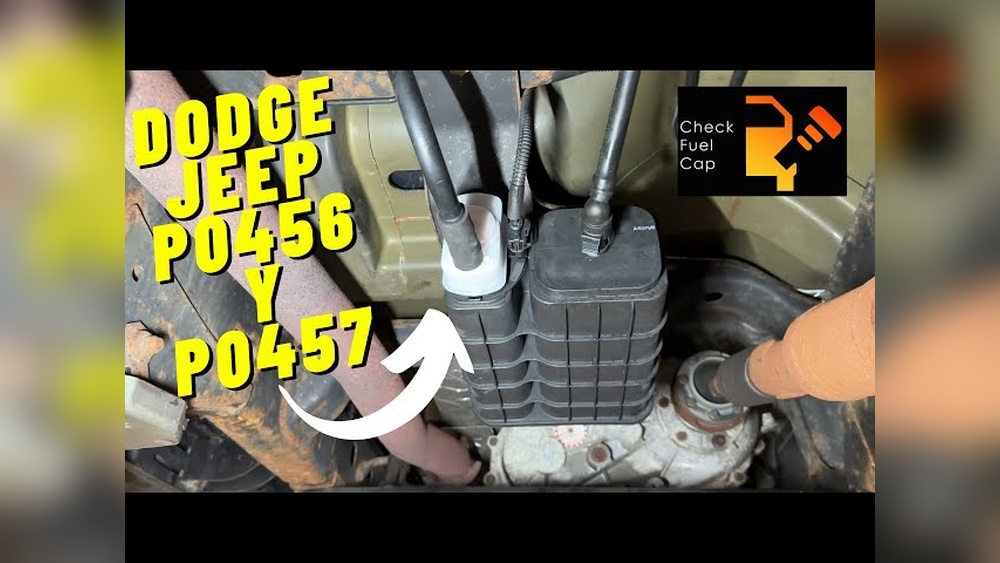
The EVAP system in your Jeep controls fuel vapors to reduce pollution. It captures vapors from the fuel tank and stores them in a charcoal canister. These vapors then move into the engine to burn safely. The P0457 code signals a large leak in this system. This code means the system isn’t sealing properly, causing vapor to escape.
The P0457 trouble code usually triggers the check engine light. Understanding this code helps with proper diagnosis and repair. It also prevents more serious vehicle issues. Below, find detailed information about what triggers the P0457 code and how it impacts vehicle performance.
What Triggers P0457
A loose or damaged gas cap is the most common cause of P0457. Cracks or holes in EVAP hoses also cause leaks. Faulty purge or vent valves may fail to close tightly. A damaged charcoal canister can lead to vapor escaping. Leaks around the fuel pump seal are another possible cause. Sometimes, debris or dirt prevents the gas cap from sealing properly.
Impact On Vehicle Performance
P0457 usually does not affect how the Jeep drives. The engine runs normally without noticeable issues. Fuel economy typically stays the same despite the leak. Still, the evaporative leak raises pollution levels. The check engine light stays on until the issue is fixed. Ignoring the code can lead to failed emissions tests. Over time, it may cause other EVAP system parts to fail.
Common Causes Of The P0457 Code
Diagnosing the EVAP leak in your Jeep is key to fixing the P0457 trouble code. The EVAP system stops fuel vapors from escaping into the air. A large leak triggers the P0457 code, turning on the check engine light. Pinpointing the leak helps prevent pollution and saves fuel. Start with simple checks, then move to advanced tools if needed.
Visual Inspection Steps
Begin by checking the gas cap. Make sure it is tight and undamaged. A loose or cracked cap often causes leaks. Next, inspect fuel tank seals and hoses for cracks or wear. Look under your Jeep for broken or disconnected vacuum lines. Check the charcoal canister for damage or leaks. Visual signs can quickly show where vapors escape.
Using An Obd-ii Scanner
Use an OBD-II scanner to read the P0457 code and clear it after repairs. The scanner shows live data from the EVAP system. It helps identify faulty components, like the purge valve or vent solenoid. Some scanners test the system’s pressure to find leaks. Scanning guides your repair and confirms the problem is fixed.
Performing A Smoke Test
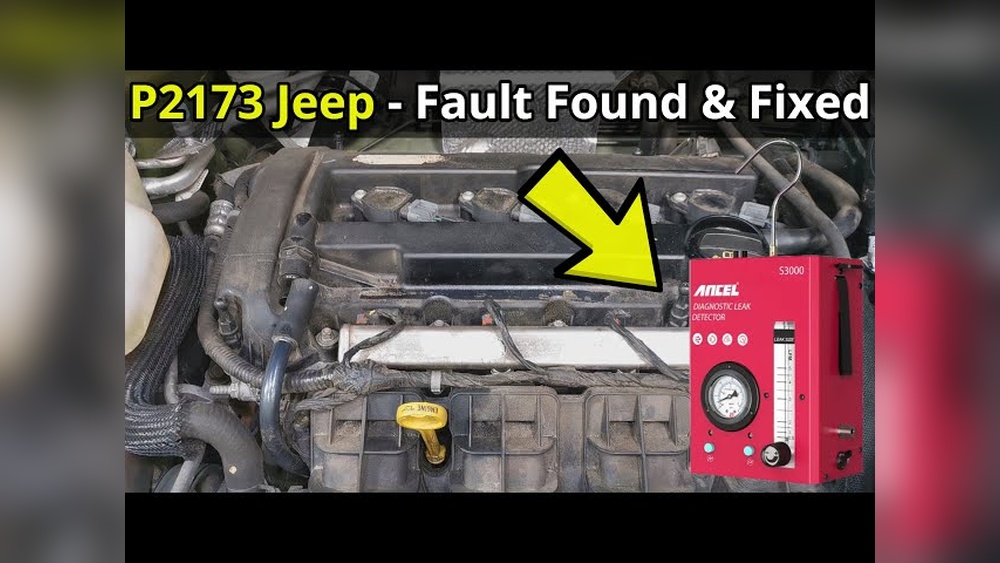
A smoke test reveals leaks invisible to the eye. A special machine pumps smoke into the EVAP system. Watch for smoke escaping from hoses, seals, or the charcoal canister. This test finds small or hidden leaks fast. Mechanics use smoke tests to pinpoint exact leak locations and fix them efficiently.
Diagnosing The Evap Leak
Fixing the P0457 code on your Jeep involves addressing leaks in the EVAP system. This code signals a large leak in the evaporative emission control system. Finding and fixing the leak stops fuel vapors from escaping. It also helps turn off the check engine light. Several parts can cause this code, so checking each is important.
Tightening Or Replacing The Gas Cap
The gas cap is the simplest fix for a P0457 code. A loose or damaged cap lets vapors escape. Start by tightening the gas cap firmly. If the cap is cracked or worn, replace it with a new one. After this, clear the code and drive your Jeep. This step often resolves the issue quickly.
Replacing The Purge Valve
The purge valve controls vapor flow to the engine. A faulty valve can cause large leaks. Inspect the valve for damage or sticking. Replace it if it does not close properly. This fix helps seal the EVAP system and stops vapor leaks.
Repairing Fuel Pump Seals
Fuel pump seals can wear out and cause leaks near the fuel tank. Check the seal around the fuel pump and sending unit. Replace the seal if it looks cracked or broken. Fixing this seal prevents fuel vapor from escaping and triggers no more P0457 codes.
Fixing Vapor Leak Detection Pump
The vapor leak detection pump tests the EVAP system for leaks. A broken pump can cause false or real leaks. Test the pump’s function and replace it if it fails. This repair keeps the EVAP system working correctly and clears the code.
Sealing Vacuum Lines
Vacuum lines connect parts of the EVAP system. Cracked or loose lines cause large vapor leaks. Inspect all vacuum lines for holes or disconnections. Use clamps or replace damaged lines to seal the system. Proper sealing helps stop the P0457 trouble code.

Fixing The P0457 Code
Knowing when to seek professional help for a Jeep P0457 code is important. This code signals a large leak in the EVAP system. Simple fixes may not always solve the problem. Some issues require expert care to avoid further damage and higher repair costs.
Complex Leak Detection
Large leaks can be tricky to find. They may hide in hard-to-see areas of the EVAP system. Professionals use special methods to detect these leaks. Smoke tests and pressure checks reveal the exact leak location. This precision saves time and prevents guesswork.
Advanced Evap Repairs
Some repairs need more than replacing a gas cap or hose. Faulty purge valves or fuel pump seals often cause the P0457 code. Repairing these parts requires skill and experience. Professionals handle these tasks safely and correctly. They ensure the EVAP system works properly after repair.
Using Specialized Diagnostic Tools
Professional mechanics use advanced diagnostic tools. These tools read error codes and monitor system performance. They identify issues beyond the obvious symptoms. This helps in making accurate repairs. DIY methods lack these tools and may miss hidden problems.
<!– wp:rank-math/faq-block {"questions":[{"id":"faq-question-66da5d7fffc6","title":"How Do You Fix The Code P0457?","content":"
Tighten or replace the gas cap first. Inspect EVAP hoses and purge valve for leaks. Use a smoke test if needed. Clear the code and drive to confirm the fix. Seek professional help if the problem persists.
“,”visible”:true},{“id”:”faq-question-4ec94b5b33f2″,”title”:”Is P0457 Serious?”,”content”:”P0457 indicates a large leak in the EVAP system. It’s not serious but requires prompt repair to avoid emissions issues.
“,”visible”:true},{“id”:”faq-question-ccd3ffbb7a4f”,”title”:”How To Fix An Evap System Leak Detected Large Leak?”,”content”:”Tighten or replace the gas cap first. Inspect EVAP hoses and purge valve for damage. Perform a smoke test to locate leaks. Replace faulty parts promptly to fix the large EVAP system leak.
“,”visible”:true},{“id”:”faq-question-536d2710db22″,”title”:”What Is The Most Common Cause Of A P0456 Code?”,”content”:”The most common cause of a P0456 code is a loose or faulty gas cap causing a small evaporative emission system leak.
“,”visible”:true}]} –>How Do You Fix The Code P0457?
Tighten or replace the gas cap first. Inspect EVAP hoses and purge valve for leaks. Use a smoke test if needed. Clear the code and drive to confirm the fix. Seek professional help if the problem persists.
Is P0457 Serious?
P0457 indicates a large leak in the EVAP system. It’s not serious but requires prompt repair to avoid emissions issues.
How To Fix An Evap System Leak Detected Large Leak?
Tighten or replace the gas cap first. Inspect EVAP hoses and purge valve for damage. Perform a smoke test to locate leaks. Replace faulty parts promptly to fix the large EVAP system leak.
What Is The Most Common Cause Of A P0456 Code?
The most common cause of a P0456 code is a loose or faulty gas cap causing a small evaporative emission system leak.
Conclusion
The Jeep P0457 code signals a large EVAP system leak. Fixing small leaks can stop the check engine light from coming on.
Start by checking the gas cap for tightness or damage. If that doesn't help, inspect hoses and seals for cracks or breaks.
Sometimes, a mechanic needs special tools to find hidden leaks. Ignoring this issue can lead to more problems and higher costs later.
Keep your Jeep's EVAP system in good shape for better performance and fewer worries on the road.