Changing the differential fluid in your Jeep is one of those maintenance tasks that often gets ignored. However, fresh fluid can mean the difference between smooth off-road adventures and costly repairs.
If you own a Jeep, especially models like the Wrangler or Grand Cherokee, understanding how and when to change your differential fluid is essential for long-term reliability.
Why Jeep Differential Fluid Matters
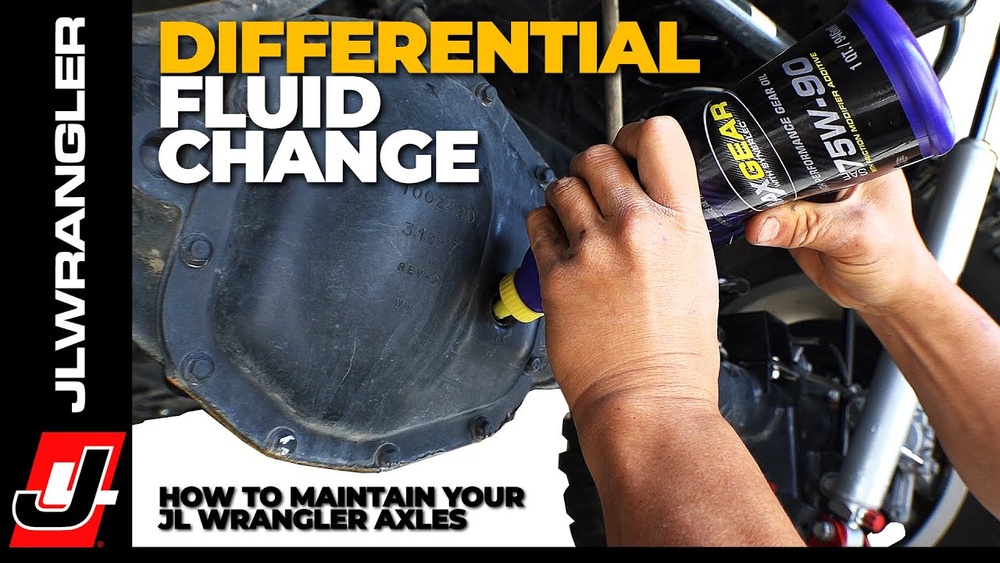
The differential is a crucial part of your Jeep’s drivetrain. It allows your wheels to spin at different speeds when turning, keeping your ride stable and safe. Inside, gears and bearings need constant lubrication. Over time, heat, metal shavings, and water (from river crossings or heavy rain) can break down the fluid. Old, dirty differential fluid can cause:
- Increased gear wear
- Strange noises or vibrations
- Possible gear failure
Most Jeep owners overlook this maintenance until problems appear, but by then, repairs can be expensive.
When To Change Your Jeep Differential Fluid
There’s no single answer for all Jeeps, but most owners should change differential fluid every 30,000 to 60,000 miles. If you do a lot of off-roading, tow heavy loads, or often drive through water, you should change it more often.
Here’s a quick reference for some popular Jeep models:
| Jeep Model | Recommended Interval (miles) | Special Considerations |
|---|---|---|
| Wrangler (JK/JL) | Every 30,000–40,000 | Shorter if off-roading |
| Grand Cherokee | Every 36,000–50,000 | Check after water crossings |
| Cherokee | Every 40,000–60,000 | Inspect fluid after towing |
Don’t rely only on mileage. If you hear humming, grinding, or see leaks under the differential, check the fluid immediately.
What You Need For A Jeep Differential Fluid Change
Gather these tools and supplies before starting:
- Differential fluid (type and amount per your owner’s manual)
- Socket set or wrench
- Fluid pump or squeeze bottle
- Catch pan
- Gasket scraper or razor blade
- New gasket or RTV sealant
- Rags or shop towels
- Jack and jack stands (if extra space needed)
- Gloves and safety glasses
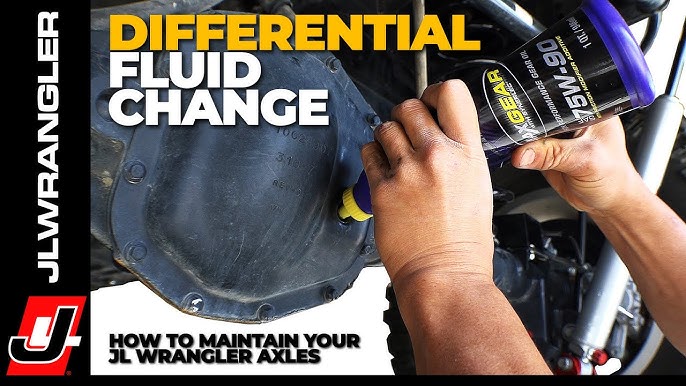
Fluid type is important. Most Jeeps use 75W-90 or 75W-140 gear oil, but always check your manual. Some differentials need special additives for limited-slip types.
Step-by-step Guide To Changing Jeep Differential Fluid
Doing this job yourself can save money and give peace of mind. Here’s how:
1. Prepare The Jeep
Park on a level surface. Engage the parking brake.
If needed, use a jack to raise the Jeep and secure it with jack stands.
2. Locate The Differential
Find the differential cover under the axle. The front and rear are usually similar but may use different fluid types or amounts.
3. Remove The Fill Plug First
Before draining, always loosen the fill plug. This ensures you can add fluid later. If you can’t remove it, you won’t get stuck with an empty differential.
4. Drain The Old Fluid
Place a catch pan under the differential. Remove the bolts from the cover or the drain plug (if equipped).
Let all fluid drain out. Watch for metal shavings or milky color – these may signal wear or water.
5. Clean The Surface
Remove the old gasket or sealant from the cover and axle housing. Clean both surfaces thoroughly. Dirt or old sealant can cause leaks.
6. Install New Gasket Or Rtv
Apply a new gasket or a thin bead of RTV sealant to the cover. Wait a few minutes if using RTV before reattaching.
7. Reinstall The Cover
Bolt the cover back on, tightening bolts evenly in a star pattern. Don’t overtighten – you can strip the threads.
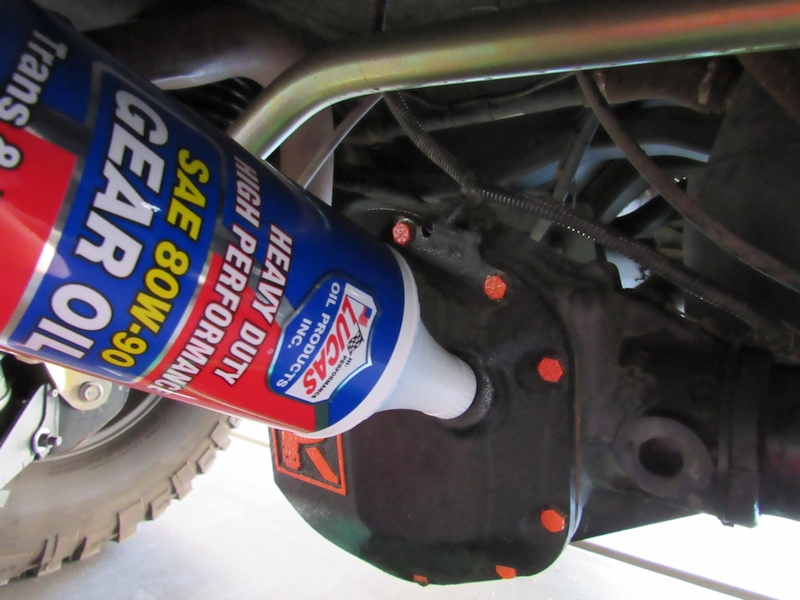
8. Refill With Fresh Fluid
Use a fluid pump or squeeze bottle to fill the differential until fluid starts to slightly seep from the fill hole.
9. Check For Leaks And Clean Up
Reinstall the fill plug. Wipe any spilled fluid.
Lower the Jeep if raised. Take a short drive, then recheck for leaks.
Comparing Diy Vs. Professional Service
You may wonder if it’s better to do the job yourself or leave it to a mechanic. Here’s a simple comparison:
| Method | Cost Estimate | Time Needed | Skill Level |
|---|---|---|---|
| DIY | $30–$80 (fluid + supplies) | 1–2 hours | Basic tools, attention to detail |
| Professional | $100–$200+ | Leave it at shop | None (just pay) |
DIY is not hard if you follow the steps and have patience. However, some people prefer a shop for peace of mind or if they lack tools.
Common Mistakes To Avoid
Many Jeep owners make small errors that can lead to big problems:
- Using the wrong fluid type or forgetting friction modifier for limited-slip differentials.
- Not cleaning the mating surfaces, causing leaks.
- Over-tightening bolts and damaging the cover.
- Forgetting to check the fill plug before draining.
A small tip: Always write down the date and mileage of your differential fluid change. This makes it easy to stay on schedule.
Signs Your Differential Fluid Needs Attention
Not sure if your fluid is overdue? Look for these warning signs:
- Whining or humming noises from the axle during driving.
- Burnt smell near the differential.
- Visible leaks or wet spots under your Jeep.
- Vibration when accelerating or turning.
If you notice any of these, check and change your fluid as soon as possible.
Real-world Example
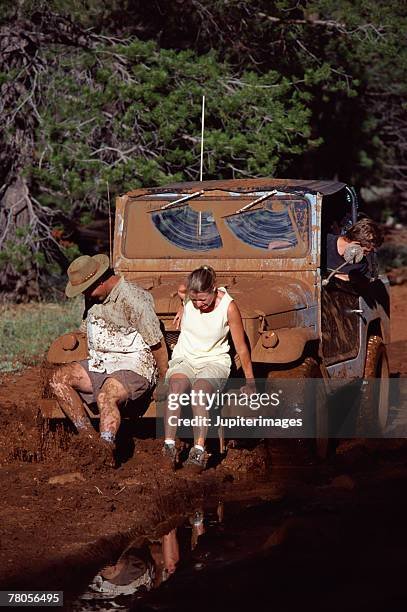
A Jeep Wrangler owner in Colorado noticed a grinding noise after a muddy trail run. Checking his differential fluid, he found it was milky – water had gotten in.
After changing the fluid, the noise disappeared, and no permanent damage was done.
Regular checks, especially after water crossings, can save expensive repairs.
For detailed manufacturer recommendations, you can also check the official Jeep Maintenance Guide.

Frequently Asked Questions
How Often Should I Change My Jeep’s Differential Fluid?
For most Jeeps, every 30,000 to 60,000 miles is recommended. If you off-road, tow, or cross water, check and change more often.
What Happens If I Don’t Change The Differential Fluid?
Ignoring fluid changes can lead to gear wear, overheating, and possible differential failure. Repairs can cost thousands, far more than regular maintenance.
Can I Use Any Gear Oil For My Jeep?
No. Always use the exact fluid type listed in your owner’s manual. Some differentials need special friction modifiers.
Do I Need To Change Both Front And Rear Differential Fluid?
Yes, both need attention. They may use different fluids, so check specifications for each axle.
Is It Safe To Change Jeep Differential Fluid At Home?
Yes, with the right tools and safety steps, most Jeep owners can do this at home. Take your time, follow instructions, and always double-check for leaks after finishing.
A little attention to your Jeep’s differential fluid keeps your adventures safe and your wallet happy. By understanding when and how to change it, you’ll keep your Jeep running strong for years.