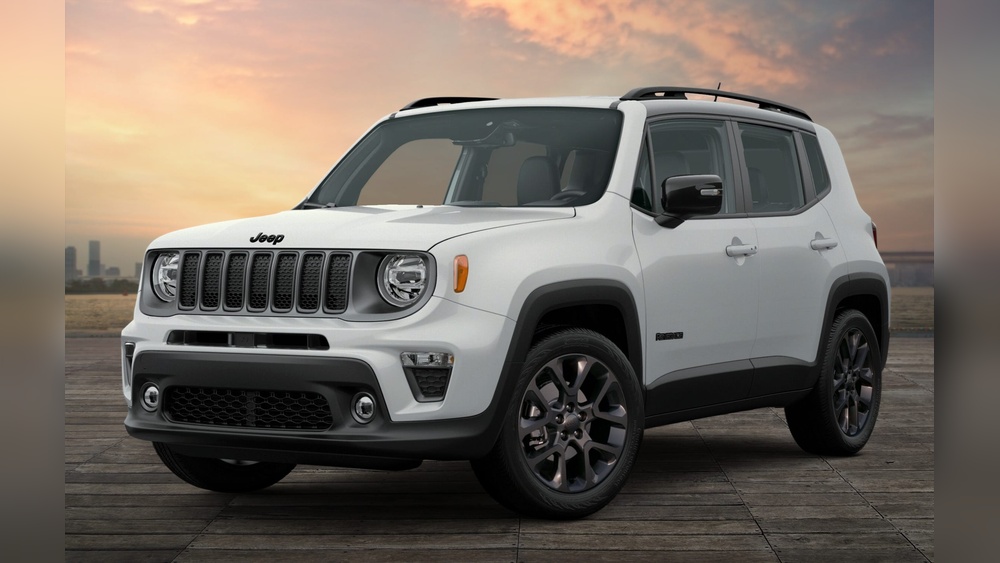
The Jeep Compass is a popular compact SUV known for its blend of urban comfort and off-road capability. While it comes with a capable factory setup, many owners look to custom wheels to enhance its aesthetics and performance.
Swapping out the stock wheels for aftermarket ones is one of the most impactful ways to personalize your Compass, giving it a distinct look and potentially improving its driving dynamics.
This guide will explore everything you need to know about fitting custom wheels to your Jeep Compass, from choosing the right size and style to understanding the impact on your vehicle's performance and maintenance.
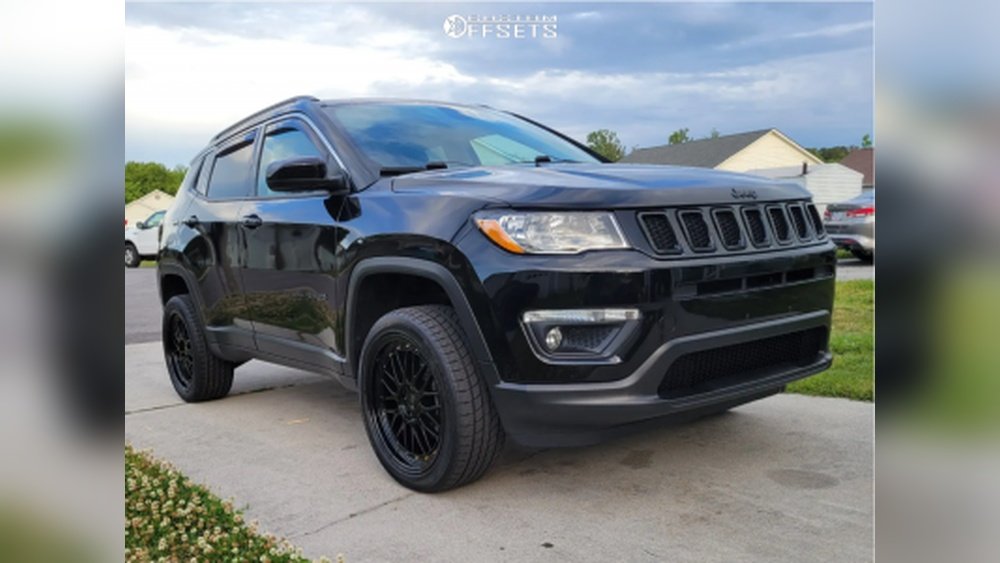
Why Upgrade Your Jeep Compass Wheels?
The decision to upgrade your Jeep Compass wheels goes beyond just looks. While a fresh set of wheels can dramatically change the vehicle's appearance, there are several functional benefits to consider.
Understanding these reasons will help you make a more informed choice when selecting your aftermarket wheels.
Enhancing The Aesthetics
This is often the primary driver for most owners. The factory wheels on any vehicle are designed for mass appeal and cost-effectiveness. Custom wheels, on the other hand, offer a vast array of designs, finishes, and sizes. You can choose from:
- Classic multi-spoke designs: These offer a timeless look that complements the Compass’s rugged yet sophisticated styling.
- Aggressive off-road styles: For those who plan to take their Compass off the beaten path, wheels with a more robust, utilitarian design can enhance its adventurous persona.
- Sleek, minimalist designs: If you prefer a more understated yet premium look, clean, simple designs can elevate the vehicle’s overall presence.
- Various finishes: From matte black and gunmetal to polished chrome and custom colors, the finish can significantly alter the wheel’s appearance and how it interacts with light.
A well-chosen set of custom wheels can make your Jeep Compass stand out in a crowded parking lot, reflecting your personal style and making the vehicle uniquely yours.
Improving Performance
Beyond the visual upgrade, custom wheels can offer tangible performance benefits. The key lies in the wheel size, weight, and material.
- Weight: Lighter wheels reduce unsprung weight (the weight of components not supported by the suspension). Lower unsprung weight can lead to better acceleration, improved braking, and more responsive handling. This is because the suspension can react more quickly to road imperfections.
- Size: While larger wheels often look more impressive, they can impact performance. Larger diameter wheels typically require lower-profile tires. While this can improve cornering grip on smooth surfaces, it can also lead to a harsher ride and potentially reduced off-road capability if the tire sidewall is too thin. Conversely, some owners opt for smaller diameter wheels with larger, more aggressive tires for enhanced off-road traction.
- Material: Wheels are commonly made from aluminum alloy or steel. Aluminum alloy wheels are generally lighter and offer more design flexibility, contributing to better performance. Steel wheels are typically heavier but more durable and cost-effective, often favored for extreme off-roading where durability is paramount.
Tire Compatibility And Options
Changing your wheels also opens up a wider range of tire options. When you upgrade your wheels, you might consider fitting different tire sizes or types. For instance, you could opt for:
- All-terrain tires: If you plan on more off-road adventures, fitting larger wheels with all-terrain tires can provide better grip and durability on varied surfaces.
- Performance tires: For on-road enthusiasts, wider tires on larger wheels can offer improved traction and handling during spirited driving.
It’s crucial to ensure that the wheel and tire combination is compatible with your Jeep Compass’s suspension and braking systems.
Understanding Jeep Compass Wheel Specifications
Before diving into custom wheel options, it’s essential to understand the key specifications that define a wheel and ensure compatibility with your Jeep Compass. These specifications dictate how a wheel fits and functions on your vehicle.
Bolt Pattern (pcd)
The bolt pattern, also known as the Pitch Circle Diameter (PCD), refers to the number of lug holes and the diameter of the circle on which they are arranged. For the Jeep Compass, the common bolt pattern is 5×110. This means there are 5 lug holes, and the distance across the center of the hub from one stud to the opposite stud is 110 millimeters. Using wheels with the incorrect bolt pattern is impossible to mount and dangerous. Always ensure your custom wheels match the 5×110 pattern of your Compass.
Offset
Wheel offset is the distance from the mounting surface of the wheel (where it bolts to the hub) to the centerline of the wheel. It’s measured in millimeters (mm) and can be positive, negative, or zero.
- Positive offset: The mounting surface is closer to the outside of the wheel. Most front-wheel-drive vehicles, including the Jeep Compass, use wheels with positive offset.
- Negative offset: The mounting surface is further from the outside of the wheel. This is common on rear-wheel-drive vehicles.
- Zero offset: The mounting surface is exactly at the centerline of the wheel.
The stock offset for a Jeep Compass typically ranges from +35mm to +45mm, depending on the specific model year and trim. Sticking close to the factory offset is generally recommended for optimal fitment and to avoid issues like rubbing against suspension components or the fender, or excessive stress on wheel bearings.
Deviating significantly can affect steering geometry and tire wear.
Center Bore
The center bore is the hole in the middle of the wheel that allows it to sit flush on the vehicle’s hub. The Jeep Compass has a specific center bore size. If a custom wheel’s center bore is smaller than the hub, it won’t fit. If it’s larger, you’ll need hub-centric rings to ensure the wheel is properly centered on the hub. These rings are small plastic or metal inserts that fill the gap, preventing vibrations and ensuring a secure fit.
Wheel Diameter And Width
- Diameter: This refers to the size of the wheel from one edge to the other, measured in inches. Common stock diameters for the Jeep Compass range from 16 to 19 inches. Custom wheels can range from smaller diameters (for more tire sidewall) to larger ones (for a more aggressive stance).
- Width: This is the measurement of the wheel from its inner bead seat to the other, also in inches. The stock width varies but is typically around 6.5 to 7.5 inches. Wider wheels can accommodate wider tires, which can improve grip but may also affect ride comfort and fuel economy.

Popular Custom Wheel Styles For The Jeep Compass
The aftermarket offers a vast selection of wheels, but some styles are particularly well-suited to the Jeep Compass, enhancing its inherent character.
Rugged Off-road Designs
For owners who embrace the Jeep spirit and venture off paved roads, rugged designs are a natural fit. These wheels often feature:
- Thick spokes and reinforced lips: Designed to withstand impacts and harsh conditions.
- Matte or satin finishes: Such as matte black, gunmetal gray, or bronze, which hide dirt and scratches better than gloss finishes and provide an aggressive look.
- Beadlock-style rings: While often simulated on street wheels, these give a distinct off-road aesthetic and are functional on true off-road wheels.
- Open designs: Allowing for easier cleaning of mud and debris.
Examples include wheels from brands known for their off-road prowess, featuring designs that mimic beadlock wheels or have a robust, utilitarian appearance.
Sophisticated Street Styles
If your Jeep Compass spends most of its time on city streets and highways, you might prefer wheels that enhance its urban sophistication. These can include:
- Multi-spoke or split-spoke designs: Offering a dynamic and elegant look.
- Polished or machined finishes: These catch the light beautifully, adding a touch of premium appeal.
- Gloss black or two-tone finishes: Providing a modern and sleek appearance that contrasts well with the Compass’s body.
- Larger diameters: Such as 18, 19, or even 20 inches, to fill the wheel wells and give a more assertive stance.
These styles often focus on clean lines and refined aesthetics, complementing the Compass’s more car-like elements.
Classic & Minimalist Options
Sometimes, less is more. Classic or minimalist wheel designs can offer a timeless appeal that never goes out of style.
- Simple five-spoke or seven-spoke designs: These are clean, uncluttered, and versatile.
- Solid finishes: Like a classic silver, dark gray, or gloss black.
- Smaller diameters with higher aspect ratio tires: This can provide a more comfortable ride and better protection for the wheels on less-than-perfect roads.
These options maintain a sophisticated look without being overly flashy, making them a safe yet stylish choice.
Choosing The Right Size: Balancing Looks And Functionality
Deciding on the right wheel size is a critical step. It’s not just about fitting the largest possible wheel; it’s about finding a balance that suits your driving needs and aesthetic preferences.
Larger Diameter Wheels (e.g., 18″, 19″, 20″+)
Pros:
- Aggressive Stance: Larger wheels fill the wheel wells, giving the Compass a more planted and imposing look.
- Improved On-Road Handling: When paired with low-profile tires, larger wheels can reduce tire sidewall flex, leading to sharper steering response and better cornering stability on smooth surfaces.
- Wider Tire Options: Larger wheels often allow for wider tires, which can increase the vehicle’s contact patch with the road, potentially improving grip.
Cons:
- Harsher Ride: Low-profile tires have less cushioning, meaning more road imperfections are transmitted to the cabin, resulting in a less comfortable ride.
- Increased Risk of Wheel Damage: Thinner tire sidewalls offer less protection against potholes and curbs, increasing the likelihood of bent wheels or damaged tires.
- Reduced Off-Road Capability: Thinner sidewalls are more susceptible to punctures and damage off-road. They also offer less flexibility for conforming to uneven terrain.
- Potential for Rubbing: Larger wheels, especially if combined with wider tires or aggressive offsets, may rub against the fender liners or suspension components, requiring modifications.
- Higher Cost: Larger wheels and the corresponding low-profile tires are generally more expensive.
Smaller Diameter Wheels (e.g., 16″, 17″)
Pros:
- More Comfortable Ride: Higher aspect ratio tires (taller sidewalls) provide better cushioning, absorbing bumps and road imperfections for a smoother drive.
- Enhanced Off-Road Performance: Taller tire sidewalls offer more flex, allowing the tire to conform to terrain for better traction. They also provide better protection against impacts.
- Greater Tire Durability: Taller sidewalls are less prone to damage from potholes and off-road obstacles.
- Lower Cost: Smaller wheels and tires are typically more affordable.
- Better Fuel Economy: Lighter wheels and often narrower tires can contribute to slightly better fuel efficiency.
Cons:
- Less Aggressive Look: Smaller wheels can sometimes look undersized in the wheel wells, especially on larger vehicles.
- Less Precise On-Road Handling: Taller tire sidewalls can flex more during cornering, leading to a less direct steering feel.
Recommendation: For the Jeep Compass, 18-inch and 19-inch wheels often strike a good balance between aesthetics and everyday usability. If off-roading is a priority, sticking to 17-inch wheels with more robust all-terrain tires is a wise choice.

Tire Considerations For Custom Wheels
The tires you pair with your custom wheels are just as important as the wheels themselves. They directly impact ride comfort, handling, fuel economy, and off-road capability.
Tire Size And Aspect Ratio
When you change wheel diameter, you’ll likely need to adjust the tire size to maintain a similar overall diameter for your vehicle. The overall diameter affects your speedometer readings and the vehicle’s gearing. Tire size is expressed as XXX/YY RZZ, where:
- XXX: Tire width in millimeters.
- YY: Aspect ratio (the tire’s sidewall height as a percentage of its width).
- R: Radial construction.
- ZZ: Wheel diameter in inches.
For example, a common stock size might be 225/60R17. If you move to an 18-inch wheel, you might consider a 225/55R18 or 235/50R18.
The goal is to keep the overall diameter as close to the original as possible. Online tire size calculators can be very helpful for this.
Tire Types
- All-Season Tires: These are the most common type, designed for a balance of performance in various conditions (dry, wet, light snow). They are a good choice for daily driving.
- All-Terrain (A/T) Tires: With a more aggressive tread pattern, A/T tires offer improved traction on dirt, gravel, mud, and snow, while still being reasonably comfortable on the road. They are ideal for owners who frequently drive on unpaved surfaces.
- Mud-Terrain (M/T) Tires: These are the most aggressive off-road tires, featuring large, widely spaced tread blocks for maximum grip in mud and rocks. They are typically noisy and offer a rougher ride on pavement.
- Performance Tires: Designed for maximum grip and handling on dry and wet pavement, often with lower profiles and specialized tread compounds.
Installation And Potential Issues
Installing custom wheels is not always a simple bolt-on affair. There are several potential issues to be aware of to ensure a safe and proper installation.
Fitment Checks
Before purchasing, confirm the bolt pattern (5×110), offset, and center bore are correct for your Jeep Compass. Even with the correct specifications, test fitting is sometimes advisable, especially if you’re going significantly larger or wider than stock.
Clearance Issues
- Brake Clearance: Ensure the spokes of the custom wheel have enough clearance around the brake calipers. Some larger brake upgrades may require specific wheel designs.
- Suspension Clearance: On the inside, the wheel and tire must clear suspension components like control arms and struts.
- Fender Clearance: On the outside, the tire must not rub against the fender liners, especially when the suspension compresses or the steering wheel is turned. This is more common with wider tires or wheels with lower (more negative) offsets.
Tire Pressure Monitoring System (tpms)
Modern vehicles, including the Jeep Compass, are equipped with TPMS sensors located inside the wheel rim. When installing new wheels, you’ll need to either:
- Transfer the existing TPMS sensors from your old wheels to