Checking the transmission fluid in your Jeep Compass might seem like a small task, but it can save you from expensive repairs down the road. Many drivers overlook this simple maintenance step, not realizing that poor transmission fluid can lead to rough shifting, slipping, or even total failure.
Whether you’re a new owner or want to keep your Compass running smoothly, understanding how to check and maintain the transmission fluid is essential. This guide walks you through the process, explains what to watch for, and offers tips you won’t find in the owner’s manual.
Why Transmission Fluid Matters In Your Jeep Compass
Transmission fluid is more than just a lubricant. It cools, cleans, and protects the moving parts inside the transmission. For the Jeep Compass, the right fluid helps ensure smooth gear shifts and extends the life of the transmission. Unlike engine oil, transmission fluid doesn’t burn off quickly, but it does wear out over time.
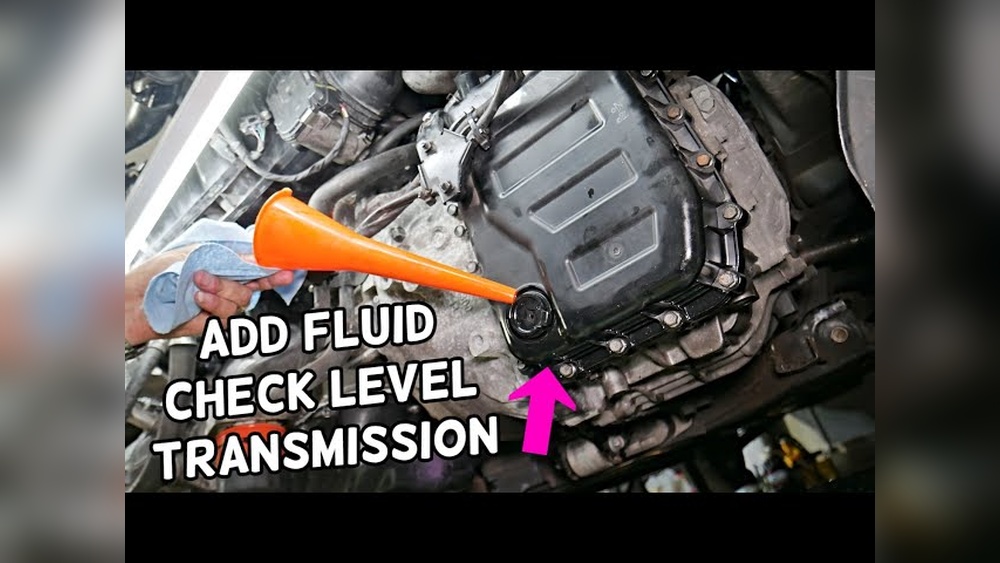
If the fluid level gets too low or dirty, you might notice:
- Delayed gear changes
- Slipping or jerking when shifting
- Unusual noises from the transmission
Ignoring these signs can cause major damage. Regular checks help you catch problems early.
Types Of Transmission In Jeep Compass
Jeep Compass models come with different types of transmissions depending on the year and trim. Knowing which one you have is important for proper maintenance.
| Model Year | Transmission Type | Fluid Type |
|---|---|---|
| 2011–2016 | CVT (Continuously Variable Transmission) | C+ ATF |
| 2017–2024 | 6-Speed/9-Speed Automatic | Mopar ATF+4 or ZF 8/9 Speed ATF |
| All Years | Manual (some trims) | Manual Transmission Fluid |
Non-obvious insight: Some newer Compass models do not have a traditional dipstick for checking transmission fluid. This can make DIY checks tricky.

How To Check Transmission Fluid In Jeep Compass
Before you start, check your owner’s manual for specific instructions for your model year, as procedures can vary.
Steps For Models With A Dipstick
- Warm up the engine by driving for 10–15 minutes.
- Park on a level surface and set the parking brake.
- With the engine running and transmission in “Park,” open the hood.
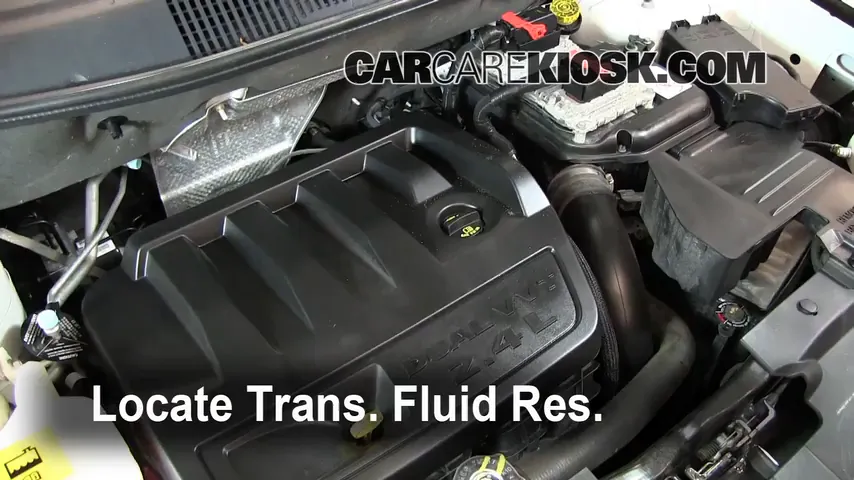
- Locate the transmission fluid dipstick (usually labeled and near the back of the engine).
- Pull out the dipstick, wipe it clean, reinsert fully, then pull out again to check the level.
- The fluid should be in the “Full” range and look reddish-pink and clear.
For Models Without A Dipstick
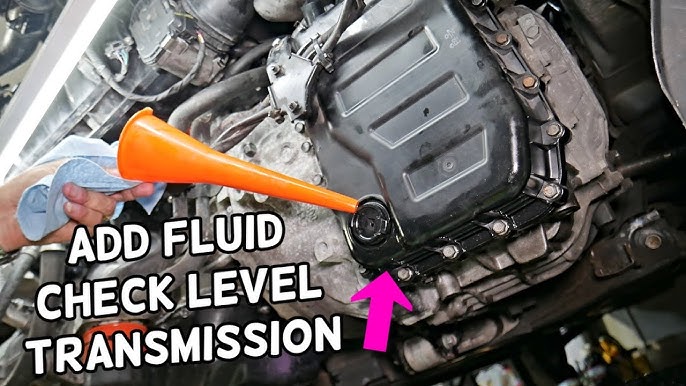
Some modern Jeep Compass transmissions are “sealed” and require a mechanic or special tool to check the fluid. If your model has no dipstick, look for a fill plug under the vehicle. Only open this if you have the right tools and experience.
Tip: If you hear whining or buzzing sounds, or notice slow shifting, get your fluid checked by a professional—even if you can’t access the dipstick.
Signs Your Transmission Fluid Needs Attention
You don’t always need to wait for scheduled service. Watch for these warning signs:
- Fluid is dark or smells burnt: Fresh fluid is bright and clear. Burnt odor or dark color means it’s time for a change.
- Low fluid level: You may see leaks under the car (red or brown stains).
- Shifting problems: Hard or delayed shifting can mean low or dirty fluid.
- Dashboard warning lights: Some Jeep Compass models show a transmission warning light.
| Sign | Possible Cause | Action Needed |
|---|---|---|
| Burnt smell | Overheated fluid | Change fluid soon |
| Leaks under car | Worn seals or pan gasket | Inspect and repair leak |
| Rough shifting | Low/dirty fluid | Top up/change fluid |
How Often Should You Check Or Change Transmission Fluid?
Jeep generally recommends checking the fluid every 30,000–60,000 miles, but your climate and driving habits matter. If you tow, drive in hot weather, or do lots of stop-and-go driving, check more often.
Common mistake: Many owners think “sealed” transmissions never need service. In reality, fluid still breaks down over time.
Diy Vs. Professional Service
If your Compass has a dipstick, you can check fluid at home. But for sealed units, or if you notice problems, a professional is best.
The right fluid is critical using the wrong kind can void your warranty.
Example: A 2018 Compass with a 9-speed automatic requires a special ZF ATF. Standard fluids won’t protect the transmission.
Quick Tips For Transmission Fluid Maintenance
- Always use the exact fluid type listed in your manual.
- Never overfill—too much fluid can cause foaming and damage.
- Check fluid when the car is warm, not cold.
- Fix leaks right away; small drips add up over time.
Frequently Asked Questions
How Do I Know Which Transmission My Jeep Compass Has?
Your owner’s manual or the label under your hood lists the transmission type. You can also find this info using your VIN on the Jeep website.
Can I Use Any Transmission Fluid?
No. Only use the recommended fluid for your Compass model and year. The wrong type can damage your transmission and affect performance.
What If My Jeep Compass Has No Dipstick?
Many newer models use sealed transmissions. These require special tools or a mechanic to check and add fluid. DIY checks are not recommended for these.
How Much Does It Cost To Change Transmission Fluid?
A typical fluid change costs between $120 and $250 at a shop. This includes new fluid and a filter (if needed). DIY costs less, but only if you have the right tools.
Is It Bad To Drive With Low Or Dirty Transmission Fluid?
Yes. Low or dirty fluid can cause major transmission problems and even lead to failure. Always address fluid issues quickly to avoid costly repairs.
Taking care of your Jeep Compass transmission fluid is one of the smartest ways to avoid trouble and keep your vehicle reliable. By checking fluid regularly and using the right products, you’ll keep your Compass shifting smoothly for years. For more details on transmission maintenance, visit the official Jeep Maintenance Guide.